ReadWriteThink - Powered by NCTE
  • About
  • Classroom Resources
    • Lesson Plans
    • Teaching Comics
    • Teaching With Primary Resources
    • Calendar
    • Printouts
    • Student Interactives
  • Collections
    • Assessment
    • Authors
    • Booklists
    • Media Literacy
    • Poetry
    • Primary Sources
    • Writing
  • Professional Development
    • Strategy Guides
    • Professional Library
    • Meetings & Events
  • Join NCTE
  • Contact Us
  • About
  • Classroom Resources
    • Lesson Plans
    • Teaching Comics
    • Teaching With Primary Resources
    • Calendar
    • Printouts
    • Student Interactives
  • Collections
    • Assessment
    • Authors
    • Booklists
    • Media Literacy
    • Poetry
    • Primary Sources
    • Writing
  • Professional Development
    • Strategy Guides
    • Professional Library
    • Meetings & Events
  • Join NCTE
  • Contact Us
  • Facebook
  • Twitter
  • Instagram
  • Pinterest
  • YouTube

Breadcrumb

  1. Home

Type

  • Classroom Resources
  • Professional Development

Grades

  • 1 (14)
  • 2 (14)
  • 3 (8)
  • 4 (8)
  • 5 (9)
  • 6 (17)
  • 7 (17)
  • 8 (17)
  • 9 (8)
  • 10 (8)
  • 11 (9)
  • 12 (9)
  • K (12)

Learning Objectives

  • (-) collaboration (37)
  • Comprehension (41)
  • critical thinking (64)
  • digital literacy (20)
  • Grammar (2)
  • inquiry / research (78)
  • listening (11)
  • literary analysis (10)
  • Media literacy (16)
  • metacognition (23)
  • multicultural awareness (3)
  • multimodal literacy (21)
  • oral communication (15)
  • print awareness (8)
  • reading fluency (6)
  • reading genres (33)
  • Spelling (2)
  • text structure / story structure (22)
  • Vocabulary (31)
  • writing genres (31)
  • writing process (35)

Topics

  • (-) science
  • arts
  • careers
  • community
  • drama
  • ELL
  • Family
  • fiction
  • Mathematics
  • Mobile Learning
  • nonfiction
  • poetry
  • seasons / holidays
  • social action
  • social studies / history
  • Sports
  • STEM
Integrating Literacy Into the Study of the Earth's Surface
Grades
3 - 5
|
Lesson Plan
|
Standard Lesson
Integrating Literacy Into the Study of the Earth's Surface
Water covers 71% of the earth's surface—does it get the instructional time it deserves in your busy curriculum? Students wade right in to the study of bodies of water as they read and discuss science trade books and work together to develop Readers Theater scripts based on selected titles.
I Wonder: Writing Scientific Explanations With Students
Grades
K - 2
|
Lesson Plan
|
Unit
I Wonder: Writing Scientific Explanations With Students
Students choose a question to explore, research it using a variety of resources, organize their information on a TCF chart, and then collaboratively write a class scientific explanation.

Combining Read-Alouds With Economics in the Primary Grades
Grades
K - 2
|
Lesson Plan
|
Standard Lesson
Combining Read-Alouds With Economics in the Primary Grades
Students learn that what you read in books can really add up when they analyze literary texts for economic concepts.
Multimedia Responses to Content Area Topics Using Fact-"Faction"-Fiction
Grades
3 - 5
|
Lesson Plan
|
Standard Lesson
Multimedia Responses to Content Area Topics Using Fact-"Faction"-Fiction

Students climb into the mind of a spider in this lesson that asks them to compose a spider diary using spider facts, fiction, and "faction"—fiction that sounds like fact.

Using THIEVES to Preview Nonfiction Texts
Grades
6 - 8
|
Lesson Plan
|
Standard Lesson
Using THIEVES to Preview Nonfiction Texts
Students become "thieves" in this lesson as they use a previewing strategy to "steal" information from textbooks and other nonfiction texts before actually reading them.

Grades
6 - 8
|
Lesson Plan
|
Unit
The Big, Bad Wolf...Is This a Fact?
Reading is revamped in this lesson in which students use a multimedia approach to study the books by Seymour Simon.

Protecting Our Precious Planet: Sharing the Message of Earth Day
Grades
K - 2
|
Lesson Plan
|
Standard Lesson
Protecting Our Precious Planet: Sharing the Message of Earth Day
Students discover that they can make a world of difference when they participate in the online Earth Day bag program.

Digital Reflections: Expressing Understanding of Content Through Photography
Grades
6 - 8
|
Lesson Plan
|
Unit
Digital Reflections: Expressing Understanding of Content Through Photography
Striking images can leave lasting impressions on viewers. In this lesson, students make text–self–world connections to a nature- or science-related topic as they collaboratively design a multimedia presentation.
Cosmic Oranges: Observation and Inquiry Through Descriptive Writing and Art
Grades
6 - 8
|
Lesson Plan
|
Standard Lesson
Cosmic Oranges: Observation and Inquiry Through Descriptive Writing and Art
Students will eat up this lesson about oranges as they practice the skills that help them investigate and make detailed observations for descriptive purposes.
Grades
6 - 8
|
Lesson Plan
|
Standard Lesson
Dynamic Duo Text Talks: Examining the Content of Internet Sites
An Observation and Inquiry Sheet guides students as they analyze and compare their reactions to the value, engagement, and credibility of three websites related to Anne Frank and the Holocaust.
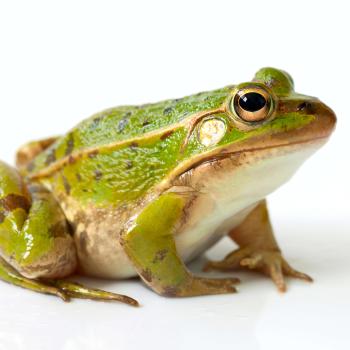
The Frog Beyond the Fairy Tale Character: Searching Informational Texts
Grades
K - 2
|
Lesson Plan
|
Standard Lesson
The Frog Beyond the Fairy Tale Character: Searching Informational Texts
Frogs often appear as the main character in fiction stories, but what do students really know about frogs? Students find out in this lesson in which they research real-life frogs.
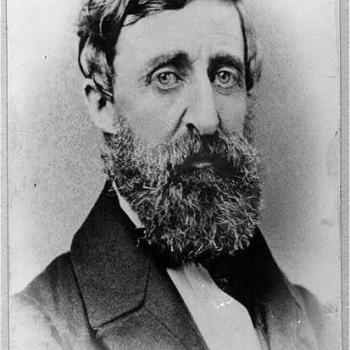
Henry David Thoreau was born in 1817.
Grades
1 - 12
|
Calendar Activity
|
Author & Text
Henry David Thoreau was born in 1817.
Students make mental "snapshots" of a natural setting, then capture the details of their setting by writing and then creating a class booklet of the nature walk.
The first U.S. zoo opened in Philadelphia in 1874.
Grades
1 - 6
|
Calendar Activity
|
Historical Figure & Event
The first U.S. zoo opened in Philadelphia in 1874.
Students consider how zoos have changed over the past century and design their own zoo of the future using drawings, posters, dioramas, or other displays.
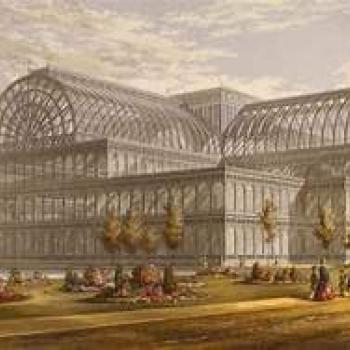
The Crystal Palace hosted the first display of life-size dinosaur replicas in 1854.
Grades
7 - 12
|
Calendar Activity
|
Historical Figure & Event
The Crystal Palace hosted the first display of life-size dinosaur replicas in 1854.
After learning about Hawkins' dinosaur replicas, students work individually or in small groups to investigate a dinosaur of their choice, comparing their findings to Hawkins'.
Sally Ride, first American woman in space, was born in 1951.
Grades
3 - 8
|
Calendar Activity
|
Historical Figure & Event
Sally Ride, first American woman in space, was born in 1951.
After exploring information about Sally Ride on the StarKids Who's Who site, students write a letter using the Letter Generator to Dr. Ride's foundation, Sally Ride Science.
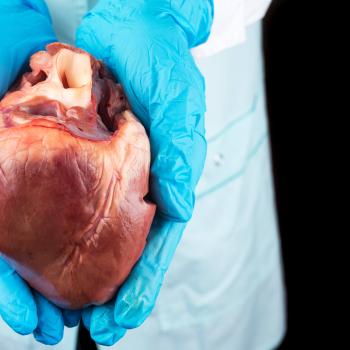
Dr. Christian Barnard performed the first human heart transplant.
Grades
K - 6
|
Calendar Activity
|
Historical Figure & Event
Dr. Christian Barnard performed the first human heart transplant.
Students talk about the causes of heart disease and the role that diet and exercise play. Then, students find healthy dessert recipes and vote on one dessert to make in class.
Grades
3 - 5
|
Go Wild with Webcams!

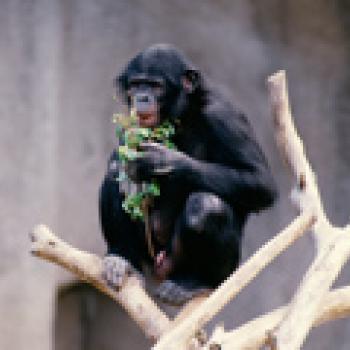
Can't make it to a zoo? After reading a book about apes, observe animal habits and habitats using one of the many Webcams broadcasting from zoos and aquariums around the United States and the world.

Pagination

  • First page « First
  • Previous page ‹‹
  • Page 1
  • Page 2

Explore Resources by Grade

  • KindergartenK
  • 1-2
  • 3-4
  • 5-6
  • 7-8
  • 9-10
  • 11-12

RWT-logo

Powered By NCTE

Footer 1 Menu

  • About
  • Classroom Resources
  • Professional Development
  • Collections
  • Contact Us

Footer 2 Menu

  • National Council of Teachers of English
  • Contribute to RWT
  • FAQs
  • Join NCTE

Footer 3 Menu

  • Legal Notices
  • Privacy Policy
  • Promotional Materials
  • Site Demonstrations

Want to stay in touch with RWT and NCTE? Sign up here!

  • Facebook
  • Twitter
  • Instagram
  • Pinterest
  • YouTube

© NCTE 2026. All rights reserved