ReadWriteThink - Powered by NCTE
  • About
  • Classroom Resources
    • Lesson Plans
    • Teaching Comics
    • Teaching With Primary Resources
    • Calendar
    • Printouts
    • Student Interactives
  • Collections
    • Assessment
    • Authors
    • Booklists
    • Media Literacy
    • Poetry
    • Primary Sources
    • Writing
  • Professional Development
    • Strategy Guides
    • Professional Library
    • Meetings & Events
  • Join NCTE
  • Contact Us
  • About
  • Classroom Resources
    • Lesson Plans
    • Teaching Comics
    • Teaching With Primary Resources
    • Calendar
    • Printouts
    • Student Interactives
  • Collections
    • Assessment
    • Authors
    • Booklists
    • Media Literacy
    • Poetry
    • Primary Sources
    • Writing
  • Professional Development
    • Strategy Guides
    • Professional Library
    • Meetings & Events
  • Join NCTE
  • Contact Us
  • Facebook
  • Twitter
  • Instagram
  • Pinterest
  • YouTube

Breadcrumb

  1. Home

Type

  • Classroom Resources
  • Professional Development

Grades

  • 1 (9)
  • 2 (9)
  • 3 (21)
  • 4 (21)
  • 5 (24)
  • 6 (20)
  • 7 (22)
  • 8 (23)
  • 9 (24)
  • 10 (23)
  • 11 (23)
  • 12 (23)
  • K (7)

Learning Objectives

  • (-) collaboration (54)
  • Comprehension (66)
  • critical thinking (70)
  • digital literacy (17)
  • Grammar (15)
  • inquiry / research (30)
  • listening (32)
  • literary analysis (67)
  • Media literacy (14)
  • metacognition (40)
  • multicultural awareness (19)
  • multimodal literacy (28)
  • oral communication (30)
  • phonological awareness (11)
  • print awareness (12)
  • reading fluency (11)
  • reading genres (37)
  • Spelling (11)
  • text structure / story structure (29)
  • Vocabulary (38)
  • writing genres (84)
  • writing process (71)

Topics

  • (-) poetry
  • arts
  • careers
  • community
  • drama
  • ELL
  • Family
  • fiction
  • Mathematics
  • Mobile Learning
  • nonfiction
  • science
  • seasons / holidays
  • social action
  • social studies / history
  • Sports
  • STEM
Grades
6 - 8
|
Lesson Plan
|
Standard Lesson
What Am I? Teaching Poetry through Riddles
Students explore figurative language in poetry by reading and writing riddle poems.
Letter Poems Deliver: Experimenting with Line Breaks in Poetry Writing
Grades
3 - 5
|
Lesson Plan
|
Standard Lesson
Letter Poems Deliver: Experimenting with Line Breaks in Poetry Writing
Students explore letter poems and experiment with writing letters as poems, using the placement of line breaks to enhance rhythm, sound, meaning, and appearance.
What Makes Poetry? Exploring Line Breaks
Grades
3 - 5
|
Lesson Plan
|
Minilesson
What Makes Poetry? Exploring Line Breaks
Students read various poems and explore why lines are broken where they are and how they affect rhythm, sound, meaning, and appearance in poetry.

Poetry from Prose
Grades
3 - 5
|
Lesson Plan
|
Standard Lesson
Poetry from Prose
Working in small groups, students compose found and parallel poems based on a descriptive passage they have chosen from a piece of literature they are reading.
Stapleless Book
Grades
K - 12
|
Student Interactive
|
Writing & Publishing Prose
Stapleless Book

The Stapleless Book can be used for taking notes while reading, making picture books, collecting facts, or creating vocabulary booklets . . . the possibilities are endless!

Using the Think-Pair-Share Technique
Grades
Grades
K - 12
|
Strategy Guide
Using the Think-Pair-Share Technique
In this strategy guide, you will learn how to organize students and classroom topics to encourage a high degree of classroom participation and assist students in developing a conceptual understanding of a topic through the use of the Think-Pair-Share technique.

Socratic Seminars
Grades
Grades
6 - 12
|
Strategy Guide
Socratic Seminars
This strategy guide explains Socratic seminars and offers practical methods for applying the approach in your classroom to help students investigate multiple perspectives in a text.

Shhh! Bear's Sleeping: Learning About Nonfiction and Fiction Using Read-Alouds
Grades
Grades
3 - 8
|
Strategy Guide
Using the Jigsaw Cooperative Learning Technique

In this strategy guide, you will learn how to organize students and texts to allow for learning that meets the diverse needs of students but keeps student groups flexible.

Teaching with Zooming Slideshows through Prezi
Grades
Grades
6 - 12
|
Strategy Guide
Teaching with Zooming Slideshows through Prezi
Through Prezi, a web application, students create "zooming" presentations for various purposes, such as presenting research, defending an opinion, or sharing a digital story.

Discovering Memory: Li-Young Lee's Poem "Mnemonic" and the Brain
Grades
6 - 8
|
Lesson Plan
|
Unit
Discovering Memory: Li-Young Lee's Poem "Mnemonic" and the Brain
Students learn about memory by doing a memory-writing exercise, studying the brain to understand how it affects memory, reading Li-Young Lee's poem "Mnemonic," and creating projects to demonstrate their understanding.
Grades
9 - 12
|
Lesson Plan
|
Standard Lesson
Many Years Later: Responding to Gwendolyn Brooks' "We Real Cool"
Students analyze the Gwendolyn Brooks' poem "We Real Cool" and then write about how the character's pool hall days might influence who the character becomes fifty years in the future.
Theme Poems: Using the Five Senses
Grades
1 - 3
|
Lesson Plan
|
Standard Lesson
Theme Poems: Using the Five Senses
Students write theme poems in a flash using the picture book Flicker Flash by Joan Bransfield Graham and the online, interactive Theme Poems tool.
Crossing Boundaries Through Bilingual, Spoken-Word Poetry
Grades
7 - 12
|
Lesson Plan
|
Unit
Crossing Boundaries Through Bilingual, Spoken-Word Poetry
Students explore the idea of "crossing boundaries" through bilingual, spoken-word poetry, culminating in a poetry slam at school or in the community.
Grades
3 - 5
|
Lesson Plan
|
Recurring Lesson
Sort, Hunt, Write: A Weekly Spelling Program
It's easy to make spelling fun. Using a variety of activities from sorting to using words in context will help deepen students' understanding of word patterns.

Grades
9 - 12
|
Lesson Plan
|
Unit
I've Got the Literacy Blues
Students will be singing the blues in this lesson in which they identify themes from "The Gift of the Magi" and write and present blues poetry based on those themes.
Grades
9 - 12
|
Lesson Plan
|
Standard Lesson
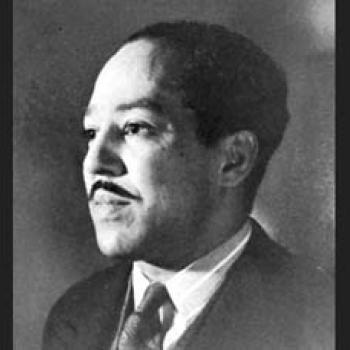
Discovering a Passion for Poetry With Langston Hughes
Through a study of Langston Hughes' poetry, students connect his writing to his place in history.
Poetry Plus! Creating 21st Century Poems with Web Tools
Grades
3 - 5
|
Lesson Plan
|
Minilesson
Poetry Plus! Creating 21st Century Poems with Web Tools
This lesson encourages students to immerse themselves in poetry as they share their original poems orally and digitally with published poets and peers nationwide.

Dancing Minds and Shouting Smiles: Teaching Personification Through Poetry
Grades
3 - 5
|
Lesson Plan
|
Standard Lesson
Dancing Minds and Shouting Smiles: Teaching Personification Through Poetry
Students learn about personification by reading and discussing poems and then brainstorm nouns and verbs to create personification in their own poems.

Poetry: Sound and Sense
Grades
9 - 12
|
Lesson Plan
|
Standard Lesson
Poetry: Sound and Sense
Students' groans about studying poetry may disappear with this lesson in which students read poetry from various writers and use these poems to examine the sounds and sense of language.
The Magnetism of Language: Parts of Speech, Poetry, and Word Play
Grades
6 - 8
|
Lesson Plan
|
Standard Lesson
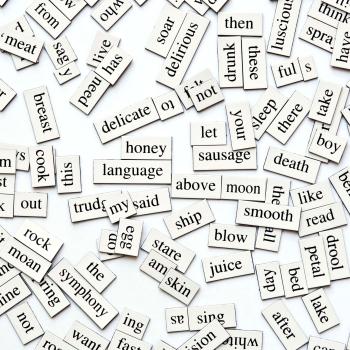
The Magnetism of Language: Parts of Speech, Poetry, and Word Play
What wonderful ways words work! The parts of speech are the highlight of this lesson in which students identify parts of speech in a nonsensical poem and then create their own wild and wacky rhymes.

Pagination

  • First page « First
  • Previous page ‹‹
  • Page 1
  • Page 2
  • Page 3
  • Next page ››
  • Last page Last »

Explore Resources by Grade

  • KindergartenK
  • 1-2
  • 3-4
  • 5-6
  • 7-8
  • 9-10
  • 11-12

RWT-logo

Powered By NCTE

Footer 1 Menu

  • About
  • Classroom Resources
  • Professional Development
  • Collections
  • Contact Us

Footer 2 Menu

  • National Council of Teachers of English
  • Contribute to RWT
  • FAQs
  • Join NCTE

Footer 3 Menu

  • Legal Notices
  • Privacy Policy
  • Promotional Materials
  • Site Demonstrations

Want to stay in touch with RWT and NCTE? Sign up here!

  • Facebook
  • Twitter
  • Instagram
  • Pinterest
  • YouTube

© NCTE 2026. All rights reserved