Students use illustrations from The Mysteries of Harris Burdick as a guide to write mysteries
and then present their stories to the class for students to discuss to which illustration each
story corresponds.

The Mysteries of Harris Burdick: Using Illustrations to Guide Writing
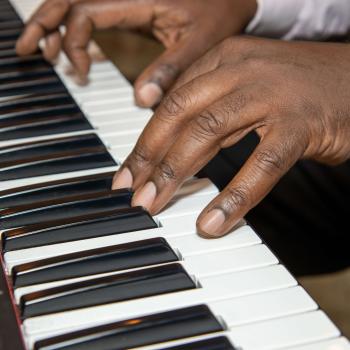
Facilitating Student-Led Seminar Discussions with The Piano Lesson
August Wilson's play The Piano Lesson invites students to ask a number of questions—big
and small. Students learn how to create effective discussion questions and then put them to use in student-led discussions.

Analyzing Famous Speeches as Arguments
Students are often asked to perform speeches, but rarely do we require students to analyze speeches as carefully as we study works of literature. In this unit, students are required to identify the rhetorical strategies in a famous speech and the specific purpose for each chosen device. They will write an essay about its effectiveness and why it is still famous after all these years.

Prompting Revision through Modeling and Written Conversations
Students create a checklist outlining what effective writers do, revise his or her own writing, and engage in a written conversation to help peers with the revision process.
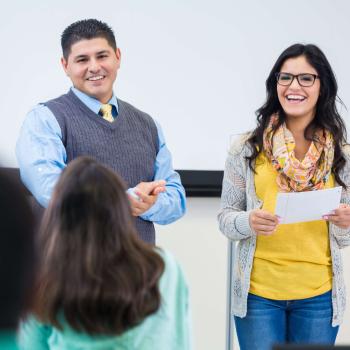
Modeling Academic Writing Through Scholarly Article Presentations
Students prepare an already published scholarly article for presentation, with an emphasis on identification of the author's thesis and argument structure.
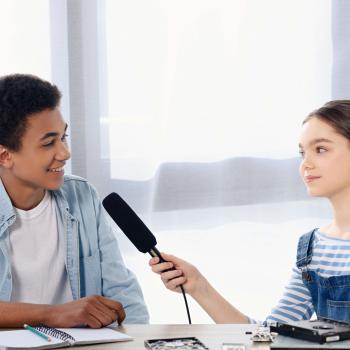
The Feature Story—Fifteen Minutes (and 500 Words) of Fame!
Students learn how to differentiate between a news story and a feature story by writing a profile of a classmate.
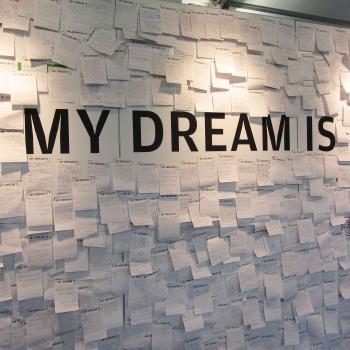
Entering History: Nikki Giovanni and Martin Luther King, Jr.
Nikki Giovanni's poem "The Funeral of Martin Luther King, Jr." is paired with Dr. King's "I Have a Dream" speech, taking students on a quest through time to the Civil Rights movement.
Campaigning for Fair Use: Public Service Announcements on Copyright Awareness
Students explore a range of resources on fair use and copyright then design their own audio public service announcements (PSAs), to be broadcast over the school's public address system.
Audio Broadcasts and Podcasts: Oral Storytelling and Dramatization
After exploring Orson Welles' 1938 broadcast of H. G. Wells' War of the Worlds, students create their own audio dramatization of a text they have read.
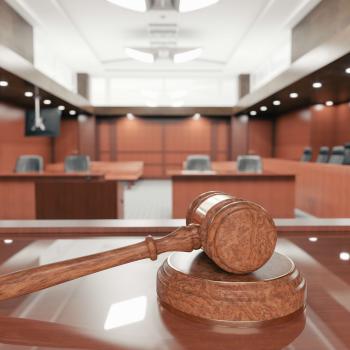
Literary Characters on Trial: Combining Persuasion and Literary Analysis
Students stage a mock trial for a literary character, with groups of students acting as the prosecution, defense, and jury.
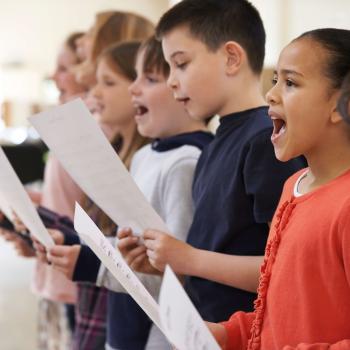
Improving Fluency through Group Literary Performance
Students participate in shared reading, choral reading, and readers theater, using books by Bill Martin, Jr. Repeated readings and literary performances help students with their reading accuracy, expression, and rate.

Literary Scrapbooks Online: An Electronic Reader-Response Project
Students capture scraps of information from a variety of Web resources and use them to create an electronic scrapbook. Emphasis is placed on evaluating and citing resources.

Investigating the Holocaust: A Collaborative Inquiry Project
Students explore a variety of resources as they learn about the Holocaust. Working collaboratively, they investigate the materials, prepare oral responses, and produce a topic-based newspaper to complete their research.
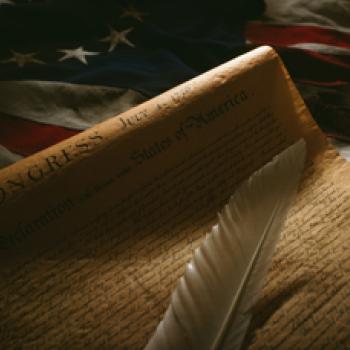
Exploring Free Speech and Persuasion with Nothing But the Truth
Students read Avi's Nothing But the Truth and examine the First Amendment and student rights, and then decide whether the rights of the novel's protagonist, Philip, are violated.
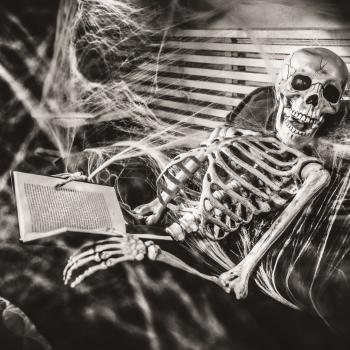
Teaching the Epic through Ghost Stories
In this lesson, students connect to the oral tradition of epic storytellers by sharing their own oral tales of ghosts and goblins and monsters.

Graffiti Wall: Discussing and Responding to Literature Using Graphics
Tap students' desires to doodle and draw by having them create a Graffiti Wall, using graphics to discuss a piece of literature that has been read by the whole class.

Novel News: Broadcast Coverage of Character, Conflict, Resolution, and Setting
This twist on readers theater has students prepare original news programs based on incidents in a recent reading, as they explore standard literary elements of character, conflict, resolution, and setting.
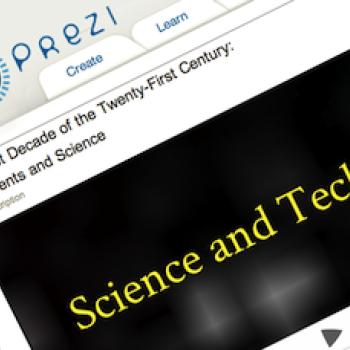
Blending the Past with Today's Technology: Using Prezi to Prepare for Historical Fiction
To prepare for literature circles featuring historical novels, students research the decades of the 1930s to the 1990s and share their information using Prezi, a web application for creating multimedia presentations.

Vote for Me! Making Presidential Commercials Using Avatars
After researching political platforms of past presidents through primary sources and other resources, students create commercials for these presidents using Voki, an online web tool that produces speaking avatars.
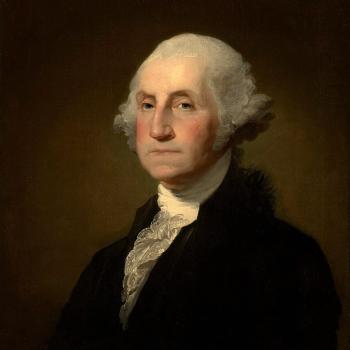
What Did George Post Today? Learning About People of the American Revolution Through Facebook
After researching famous people of the American Revolution, students create Facebook-like PowerPoint presentations to share their knowledge with classmates.