This strategy guide clarifies the difference between persuasion and argumentation, stressing the connection between close reading of text to gather evidence and formation of a strong argumentative claim about text.

Developing Evidence-Based Arguments from Texts

Developing Persuasive Writing Strategies
This strategy guide describes the techniques used in effective persuasive writing and shares activities you can use to help students understand and use persuasion in their writing and critical thinking.

Teaching with Zooming Slideshows through Prezi
Through Prezi, a web application, students create "zooming" presentations for various purposes, such as presenting research, defending an opinion, or sharing a digital story.

Bringing Lessons to Life with Animoto
Using Animoto, a free Web 2.0 tool, students can develop short digital videos that include music, photos, video clips, and text as well as share their creations electronically.

Speak to Me: Teaching with Voki
Through Voki, a Web 2.0 tool, students create customizable avatars for class presentations for various purposes, such as presenting biographical information, expressing an opinion, or reading a poem.

Promoting Student-Directed Inquiry with the I-Search Paper
The sense of curiosity behind research writing gets lost in some school-based assignments. This Strategy Guide provides the foundation for cultivating interest and authority through I-Search writing, including publishing online.

Power Notes
The strategy examined in this Strategy Guide teaches students an outlining technique to help them differentiate between main ideas and details in their reading and writing.
Professional Knowledge for the Teaching of Writing
With full recognition that writing is an increasingly multifaceted activity, we offer several principles that should guide effective teaching practice.
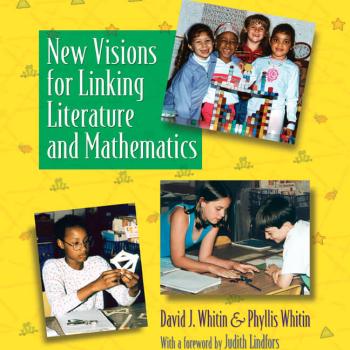
New Visions for Linking Literature and Mathematics
David and Phyllis Whitin offer K–6 teachers a wealth of ideas for integrating literature and mathematics.
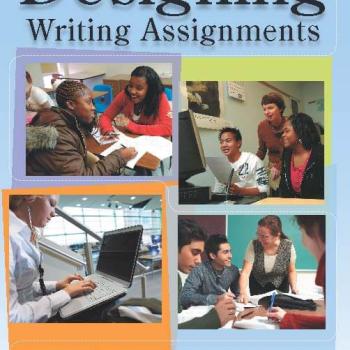
Designing Writing Assignments
Traci Gardner offers practical tips, starting points, and a companion website to help secondary and college teachers design effective writing assignments.
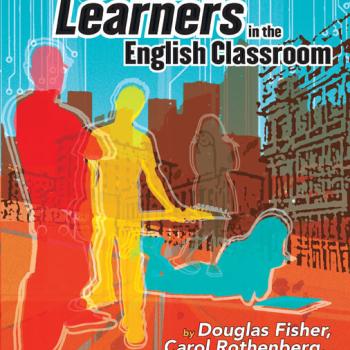
Language Learners in the English Classroom
This book provides practical, research-based strategies that can help secondary-level English language learners meet the challenges of both language and content learning.
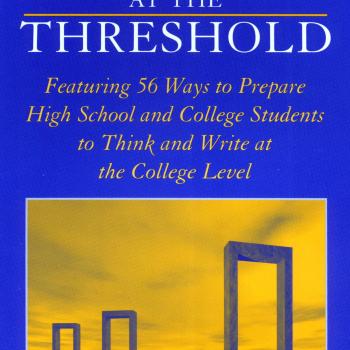
Writing at the Threshold: Featuring 56 Ways to Prepare High School and College Students to Think and Write at the College Level
This book offers both an eloquent philosophy of composition instruction and a useful set of classroom-tested teaching ideas distilled from the author's 28 years of teaching writing.
What Is "College-Level" Writing?
Just what defines "college-level" writing? This collection seeks to engage this essential question with care, patience, and pragmatism.
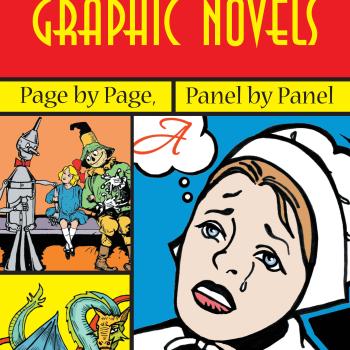
Building Literacy Connections with Graphic Novels: Page by Page, Panel by Panel
This collection of essays by classroom teachers demonstrates how to pair graphic novels with classic literature (including both canonical and YA lit).
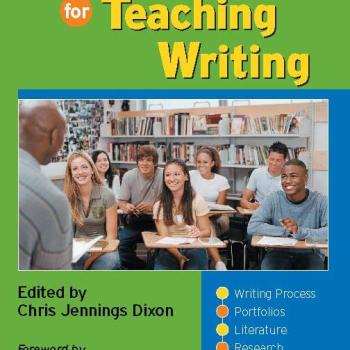
Lesson Plans for Teaching Writing
This collection of lesson plans will help prepare high school and college students for college-level writing.
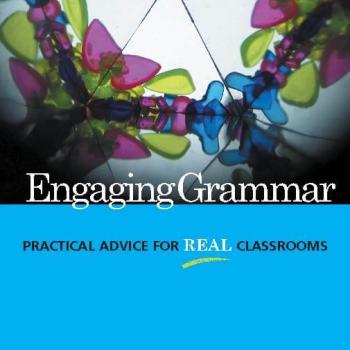
Engaging Grammar: Practical Advice for Real Classrooms
Amy Benjamin challenges the idea of "skill and drill" grammar instruction, and Tom Oliva provides a teacher's journal chronicling how the concepts in this book can work in a real classroom.
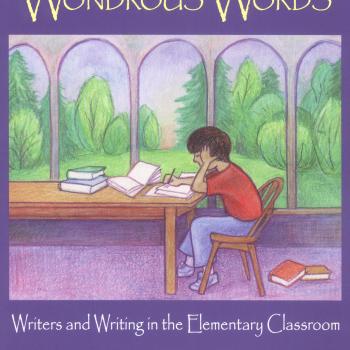
Wondrous Words: Writers and Writing in the Elementary Classroom
Katie Wood Ray explains in practical terms the theoretical underpinnings of how elementary and middle school students learn to write from their reading.
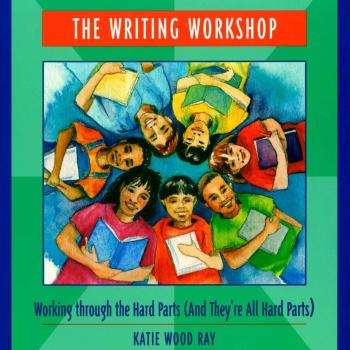
The Writing Workshop: Working through the Hard Parts (And They're All Hard Parts)
A practical, comprehensive, and illuminating guide for both new and experienced teachers that confronts the challenges of the writing workshop head-on.

Swish! Pow! Whack! Teaching Onomatopoeia Through Sports Poetry
Students explore poetry about sports, looking closely at the use of onomatopoeia. After viewing a segment of a sporting event, students create their own onomatopoeic sports poems.

The Ten-Minute Play: Encouraging Original Response to Challenging Texts
Students use both analytical and creative skills to adapt passages from a novel with significant internal dialogue and conflict, such as Toni Morrison's Beloved, into a ten-minute play.