Let children explore an interesting subject—themselves. An online tool will teach them to summarize and organize information as they write.

Telling My Story: Make a Bio-Cube

Write Theme Poems
Use shape and theme poems, or poems that look like the things they describe, as a fun way to introduce children to poetry.

Write a Recipe
Use recipes to help children practice reading and writing step-by-step instructions. Have them sample the results to see how they did.

Create Trading Cards for Favorite Characters
Use the online Trading Card Creator tool to have children make cards describing their favorite characters from the books on their reading list.

Learn About Staying Safe
Share a fun book about staying safe and then talk about real-life safety issues before writing a letter to someone in your community who can help.

Add Seasons to Rhyming Poems and Songs
Choose favorite rhyming songs or nursery rhymes then replace the rhyming words with seasonal themes.

Blog About Courage Using Photos
Engage teens in this activity in which they use photographs to examine and write about courage on a blog.

MyTube: Make a Video Public Service Announcement
Invite teens to explore issues that are important to them, and then write a script and film a video public service announcement.

Music in Movies: You Pick the Soundtrack
Explore how music can have an emotional impact on a scene in a movie, then help teens write and film a scene of their own.

Create a Career Blog
This activity invites children and teens to explore various careers and then write about what they might want to be when they grow up in a blog.

Explore Point of View in Fairy Tales
Explore fairy tales told in both old and new ways and use an online tool to help children create their own "fractured" version of a fairy tale.

Make a Mystery Puzzle
Have children explore the different parts of mystery writing by making a puzzle about a favorite book. They can then invent and write their own mysteries using the online Mystery Cube tool.

Books Will Take You There!
While enjoying a book that features a journey, children write postcards from the perspective of the main character for each stop along the trip.
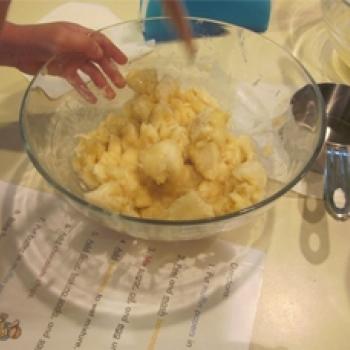
Cooking and Creating in the Kitchen
After reading If You Give a Moose a Muffin, have a "Muffin Party"! Children will write invitations, follow a recipe, and enjoy sharing their homemade muffins.
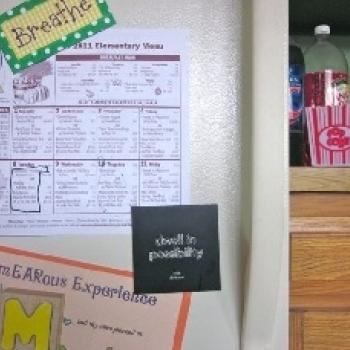
Take a Closer Look: Write Around the Room
With a piece of paper and a pen, kids can learn anywhere! This activity gets kids writing, looking closely at letters, and learning some new words in any room of the house.

Amazing Biographies: Writing About People Who Change the World
After reading about historical figures and other important people that have changed the world, children choose someone that they consider to be "amazing"—either someone they've heard about or someone they know—and create a book page that highlights this person.
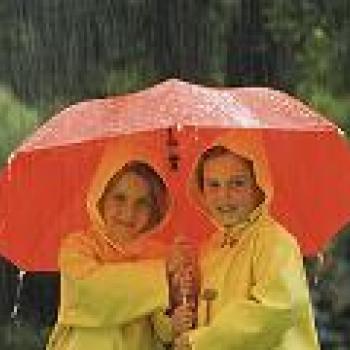
It's Raining Cats and Dogs! Make a Children's Book about the Weather
Kids learn about weather sayings throughout history while writing and illustrating a book for younger children.

The Natural World as Inspiration: An Outdoor Art Show
Children incorporate materials from outdoors with paints or crayons to create pieces of art to display on their clotheslines, fences, or porches for a neighborhood art show.

Special Memories & Significant Moments: Making an Electronic Scrapbook
Using a variety of artifacts, mementos, and technologies, teens can create an electronic scrapbook of their most important moments in high school.

Where the Sidewalk Ends by Shel Silverstein was published in 1974.
Students are introduced to a Silverstein verse and asked for their impressions. They then draw that they imagine when they read one of his lines and then write a line or two to continue the passage.