Students will think this lesson should make the headlines when they finish researching Ernie Pyle's work in preparation for writing their own news articles.

In the Style of Ernie Pyle: Reporting on World War II
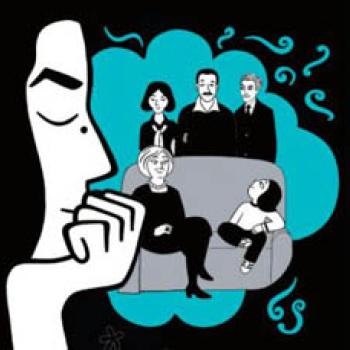
Pictures Tell the Story: Improving Comprehension With Persepolis
Students get the big picture of the Middle East when they read and analyze Marjane Satrapi's graphic novel Persepolis.

A Musical Prompt: Postcards From the Concert
Students won't miss a beat in this musical lesson that combines listening with personal response on a postcard.

Behind the Scenes With Cinderella
Cinderella without castles, coaches, or ball gowns? Students use versions of Cinderella to explore how the setting of a storytime, place, and cultureaffects the characters and plot.
The Big Green Monster Teaches Phonics in Reading and Writing
A big green monster helps students build their reading fluency and word recognition skills through choral reading, literacy center activities, and writing stories.

Creating a Classroom Newspaper
Students write authentic newspaper stories, including learning about various aspects of newspapers, such as writing an article, online articles, newspaper reading habits, and layout and design techniques.
Teaching Audience Through Interactive Writing
Through interactive writing, students work together and then independently to create invitation letters for a group of their peers and their families.
Guided Comprehension: Previewing Using an Anticipation Guide
Based on the Guided Comprehension Model developed by Maureen McLaughlin and Mary Beth Allen, this lesson introduces students to the comprehension strategy of previewing.

Magazine Redux: An Exercise in Critical Literacy
Paper and pixels get compared in this lesson in which students compare both printed and online versions of a magazine.

What Did They Say? Dialect in The Color Purple
Y'all set down a spell and learn ‘bout dialects!" In other words, your students will use The Color Purple to explore dialect and how it reveals information about the characters.
Diagram It! Identifying, Comparing, and Writing About Nonfiction Texts
Students compare the traits fact and fiction by using a Venn diagram to compare fiction and nonfiction books about Native Americans.

Using Historical Fiction to Learn About the Civil War
Students in grades 4 and 5 discuss inferential comprehension and visualization as they use a think-aloud questioning strategy to develop a deeper understanding of a historical novel.
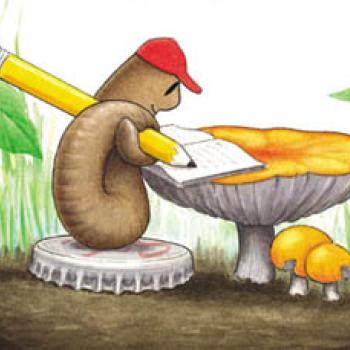
Fact or Fiction: Learning About Worms Using Diary of a Worm
Students often believe that fiction writers make everything up, seldom realizing how research worms its way into entertaining writing. In this lesson, students read Diary of a Worm to find out how fact merges with fiction.
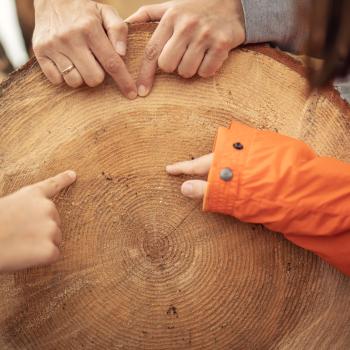
Going on a Shape Hunt: Integrating Math and Literacy
Students participate in a scavenger hunt for shapes; reading, writing, and discussion of shapes encourage literacy and math skills.
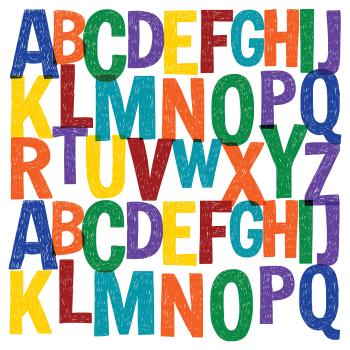
Q is for Duck: Using Alphabet Books With Struggling Writers
A is for zoo? Q is for duck? The alphabet as students know it is transformed when students create a class book that contains clever associations for each letter of the alphabet.
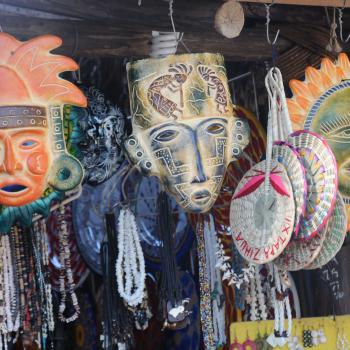
Behind the Masks: Exploring Culture Through Art and Poetry
Students research mask-making from various cultures, highlight the masks' connections to cultural practices, compose poetry to reveal their understanding, analyze their own culture, and create personal masks and poetry.

Pourquoi Stories: Creating Tales to Tell Why
Where did the stars come from? What makes lightning and thunder? Pourquoi tales are narratives developed by various cultures around the world to explain natural phenomena. Students study three tales and learn about their cultures of origin, then work cooperatively to write and present an original pourquoi tale.
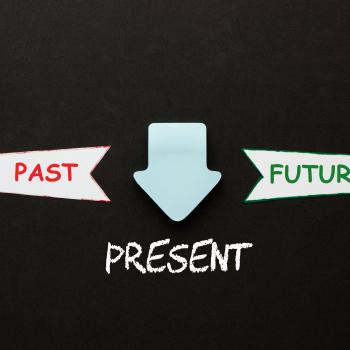
Timelines and Texts: Motivating Students to Read Nonfiction
In an effort to help motivate students to read nonfiction, students are challenged to use a timeline to help them name the year when certain products were invented.

Phonics In Context
Use an engaging, authentic text to build students' knowledge of phonic elements and give them a taste of Japanese culture.
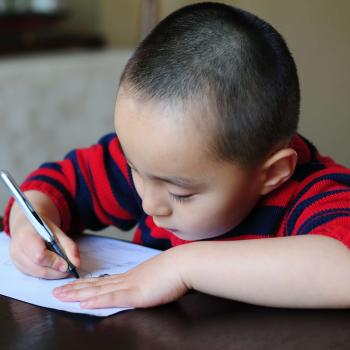
Name Talk: Exploring Letter-Sound Knowledge in the Primary Classroom
Students demonstrate their letter/sound knowledge by working with name cards and sharing observations about their classmates' names, giving teachers an opportunity to assess knowledge in a meaningful context.