Using census data for an example, students use the question-answer relationship (QAR) strategy to understand and solve word problems that refer to tables and other graphics.

QARs + Tables = Successful Comprehension of Math Word Problems

Building Reading Comprehension Through Think-Alouds
Students learn components of think-alouds and type-of-text interactions through teacher modeling. In the process, students develop the ability to use think-alouds to aid in reading comprehension tasks.
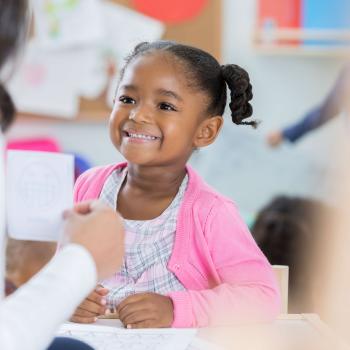
Using a Predictable Text to Teach High-Frequency Words
After reading an engaging yet predictable text about a child looking for his cat, students use a similar format and high-frequency words to craft tales about their own lost pets.

Fighting Injustice by Studying Lessons of the Past
Social injustice occurs every day all over the world. In this lesson, students research a few historical examples of social injustice, including the Holocaust, the Trail of Tears, and Japanese internment.

Gingerbread Phonics
"Run, run, as fast as you can." Students use this refrain from The Gingerbread Man to learn letter-sound correspondence. Students use their new skills to write an online story.

Using THIEVES to Preview Nonfiction Texts
Students become "thieves" in this lesson as they use a previewing strategy to "steal" information from textbooks and other nonfiction texts before actually reading them.
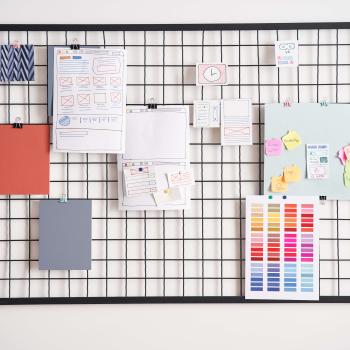
Scaffolding Comprehension Strategies Using Graphic Organizers
Students learn collaborative strategic reading (CSR). During and after reading, students apply four reading strategiespreview, click and clunk, get the gist, and wrap-upand use graphic organizers for scaffolding.

Exploring World Cultures Through Folk Tales
Journey around the world with students as they read a Japanese, African, or Welsh folk tale, create a visual depiction of the tale, research the tale's culture, and present findings.

Compare and Contrast Electronic Text With Traditionally Printed Text
Students become familiar with the similarities and differences between electronic and printed text by comparing the textual aids included in a textbook with those of an educational website.

Once They're Hooked, Reel Them In: Writing Good Endings
It's important to "hook" readers at a story's beginning, but it's equally important to keep them interested. In this lesson, students learn to write effective conclusions to their own stories.

Digital Reflections: Expressing Understanding of Content Through Photography
Striking images can leave lasting impressions on viewers. In this lesson, students make textselfworld connections to a nature- or science-related topic as they collaboratively design a multimedia presentation.

Music and Me: Visual Representations of Lyrics to Popular Music
Students will whistle while they work on this lesson, creating a photomontage movie of their interpretation of a favorite song's lyrics that will end everyone's day on a high note.

Sharing Favorite Books Using Interactive Character Trading Cards
Using selected characters from a text of their choice, students put their literary analysis skills to work by creating fictional character trading cards.

Bingo! Using Environmental Print to Practice Reading
The game Bingo is transformed in this lesson in which students use symbols and images to make connections to environmental print through the use of personalized Bingo cards.
Reading Informational Texts Using the 3-2-1 Strategy
Students can count on using the 3-2-1 strategy to help them successfully comprehend and write about an informational text.

Play Ball! Encouraging Critical Thinking Through Baseball Questions
Cooperation and critical thinking are the name of the game as students use baseball facts they find online to create trivia questions for a class Jeopardy game.

A Race With Grace: Sports Poetry in Motion
In this lesson, athletics, aesthetics, and poetics intersect in new ways as developing literacy learners experiment together with the forms of language.

Choosing the Right Book: Strategies for Beginning Readers
Students make purposeful choices for their reading materials, thinking about their reasons for reading a book and using strategies to match books to their abilities.
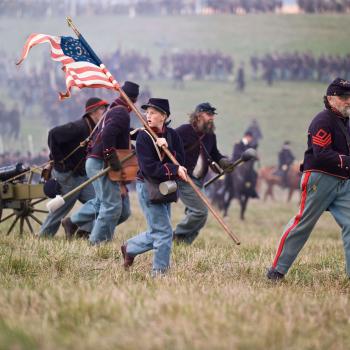
Comparing Electronic and Print Texts About the Civil War Soldier
Which side will win as students investigate both sides of the battle of using print versus online text for research as they learn about the lives of Civil War soldiers?
Exploring How Section Headings Support Understanding of Expository Texts
Nonfiction may be dull for some students, but this lesson helps them focus on the main ideas. Through awareness of section headings, students learn to sort and categorize main concepts.