Students research different awards given by the ALA and do an activity based on one of the awards.

Today, the American Library Association announces its annual book award winners.
Snowflake Bentley illustrator Mary Azarian was born in 1940.
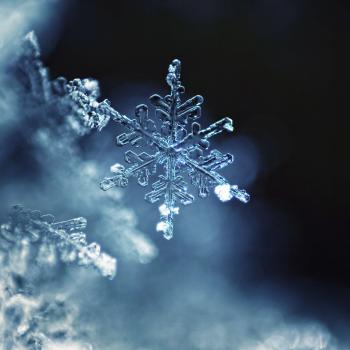
Students catch snowflakes outdoors and sketch some of the structures, or grow their own snow crystals and examine them using magnifying glasses or microscopes.

November is National American Indian Heritage Month.
Students explore Native American heritage through the study of pourquoi tales, write their own original pourquoi tales, and use the ReadWriteThink Printing Press to publish them.
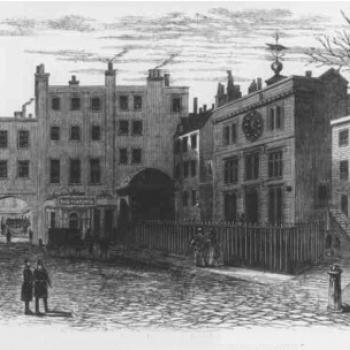
Scotland Yard was established this day in 1829.
Students explore the resources on the Scotland Yard website and compare the advice given to London's citizens to the advice available from the local police department.
Explore and Write About Nature
In this activity, children look closely at living things in their natural environments and then make books about what they see.

MyTube: Make a Video Public Service Announcement
Invite teens to explore issues that are important to them, and then write a script and film a video public service announcement.

Create a Career Blog
This activity invites children and teens to explore various careers and then write about what they might want to be when they grow up in a blog.
Explore Point of View in Fairy Tales
Explore fairy tales told in both old and new ways and use an online tool to help children create their own "fractured" version of a fairy tale.

Make a Mystery Puzzle
Have children explore the different parts of mystery writing by making a puzzle about a favorite book. They can then invent and write their own mysteries using the online Mystery Cube tool.
Take a Closer Look: Write Around the Room
With a piece of paper and a pen, kids can learn anywhere! This activity gets kids writing, looking closely at letters, and learning some new words in any room of the house.
Become a Young Archaeologist
Want to visit a museum without leaving your computer? Virtually dig for famous historical artifacts from around the world found in the British Museum.
Amazing Biographies: Writing About People Who Change the World
After reading about historical figures and other important people that have changed the world, children choose someone that they consider to be "amazing"—either someone they've heard about or someone they know—and create a book page that highlights this person.
It's Raining Cats and Dogs! Make a Children's Book about the Weather
Kids learn about weather sayings throughout history while writing and illustrating a book for younger children.

Send a Smile: Make a Card for a Special Occasion
Everyone loves getting a greeting card, especially if it's homemade. Make a funny or thoughtful greeting card or invitation with pictures and a poem, joke, or riddle.

The Natural World as Inspiration: An Outdoor Art Show
Children incorporate materials from outdoors with paints or crayons to create pieces of art to display on their clotheslines, fences, or porches for a neighborhood art show.

Get ready to celebrate Banned Books Week!
Students brainstorm reasons why certain books might have been banned and discuss common reasons why books are challenged.
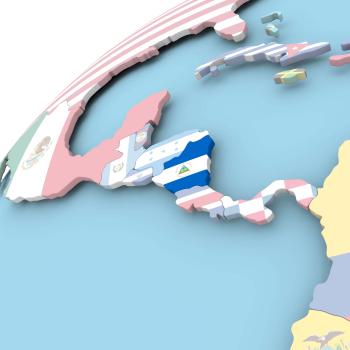
Hispanic Heritage Month begins today.
Students brainstorm all the various aspects of Latinx culture and compile topics to research. Groups then research topics and present their information to the class.

Caldecott Medal-winner Virginia Lee Burton was born on this day in 1909.
Students discuss similarities in Burton's illustrations and writing style in her many books, in addition to her use of personification.

The tropical storm that became Katrina formed over the Bahamas in 2005.
As a class, students explore weather-related and other natural disasters that their geographical area is prone to and review emergency preparedness and procedures.

The Smithsonian Institution was founded in 1846.
After exploring an exhibit online, students use the information they learned to write "A Day in the Life" narratives that tell about a person, animal, or object they saw in the exhibit.