ReadWriteThink - Powered by NCTE
  • About
  • Classroom Resources
    • Lesson Plans
    • Teaching Comics
    • Teaching With Primary Resources
    • Calendar
    • Printouts
    • Student Interactives
  • Collections
    • Assessment
    • Authors
    • Booklists
    • Media Literacy
    • Poetry
    • Primary Sources
    • Writing
  • Professional Development
    • Strategy Guides
    • Professional Library
    • Meetings & Events
  • Join NCTE
  • Contact Us
  • About
  • Classroom Resources
    • Lesson Plans
    • Teaching Comics
    • Teaching With Primary Resources
    • Calendar
    • Printouts
    • Student Interactives
  • Collections
    • Assessment
    • Authors
    • Booklists
    • Media Literacy
    • Poetry
    • Primary Sources
    • Writing
  • Professional Development
    • Strategy Guides
    • Professional Library
    • Meetings & Events
  • Join NCTE
  • Contact Us
  • Facebook
  • Twitter
  • Instagram
  • Pinterest
  • YouTube

Breadcrumb

  1. Home

Type

  • Classroom Resources
  • Professional Development

Grades

  • 1 (16)
  • 2 (17)
  • 3 (39)
  • 4 (41)
  • 5 (46)
  • 6 (91)
  • 7 (90)
  • 8 (90)
  • 9 (95)
  • 10 (95)
  • 11 (92)
  • 12 (92)
  • K (16)

Learning Objectives

  • (-) reading genres (158)
  • collaboration (153)
  • Comprehension (211)
  • critical thinking (213)
  • digital literacy (41)
  • Grammar (10)
  • inquiry / research (70)
  • listening (68)
  • literary analysis (202)
  • Media literacy (52)
  • metacognition (87)
  • multicultural awareness (40)
  • multimodal literacy (71)
  • oral communication (76)
  • phonological awareness (19)
  • print awareness (24)
  • reading fluency (22)
  • Spelling (14)
  • text structure / story structure (107)
  • Vocabulary (57)
  • writing genres (109)
  • writing process (126)

Topics

  • (-) fiction
  • arts
  • careers
  • community
  • drama
  • ELL
  • Family
  • Mathematics
  • Mobile Learning
  • nonfiction
  • poetry
  • science
  • seasons / holidays
  • social action
  • social studies / history
  • Sports
  • STEM
Grades
5 - 8
|
Lesson Plan
|
Standard Lesson
Book Report Alternative: Glog That Book!
In this alternative book report, students identify the elements of fiction in books they have read by creating glogs, interactive multimedia posters, and then share their glogs.
Book Report Alternative: Creating Postcards for Fictional Settings
Grades
4 - 7
|
Lesson Plan
|
Standard Lesson
Book Report Alternative: Creating Postcards for Fictional Settings
In this alternative to the traditional book report, students report on their novel choices that feature journeys by creating postcards one of the settings featured in their books.
Understanding Irony
Grades
8 - 10
|
Lesson Plan
|
Standard Lesson
Understanding Irony
This lesson enables students to define the three types of irony, identify and differentiate among examples of the types of irony, and demonstrate their understanding of each type.

"Blind Date with a Book": Creating Lifelong Readers
Grades
9 - 12
|
Lesson Plan
|
Standard Lesson
"Blind Date with a Book": Creating Lifelong Readers
This multi-lesson learning project encourages students to read engaging texts at their grade level and also works to promote habitual, independent reading in all students.
Choose Your Own Adventure: A Hypertext Writing Experience
Grades
6 - 8
|
Lesson Plan
|
Unit
Choose Your Own Adventure: A Hypertext Writing Experience
Students analyze "choose your own adventure" stories and brainstorm to develop setting, characters, and plots for their own adventures stories and related Websites.
It Doesn't Have to End That Way: Using Prediction Strategies with Literature
Grades
K - 2
|
Lesson Plan
|
Minilesson
It Doesn't Have to End That Way: Using Prediction Strategies with Literature
After listening to the beginning of a story, students use details in the text, personal experience, and prior knowledge to predict the way the story will end.

Who's Got Mail? Using Literature to Promote Authentic Letter Writing
Grades
3 - 5
|
Lesson Plan
|
Standard Lesson
Who's Got Mail? Using Literature to Promote Authentic Letter Writing
Students discuss and chart letter elements and write their own letters to adults at school, reinforcing letter-writing skills beyond the classroom lesson.
Literature Circles with Primary Students Using Self-Selected Reading
Grades
K - 2
|
Lesson Plan
|
Recurring Lesson
Literature Circles with Primary Students Using Self-Selected Reading
Students respond to self-selected books in journals, and talk about their books daily in small groups. The teacher guides students by offering suggestions and writing with them in dialogue journals.
Fairy Tales from Life
Grades
3 - 5
|
Lesson Plan
|
Unit
Fairy Tales from Life
Picture books provide the basis for an analysis of fairy tale elements before students write their own original tales.
Fractured Fairy Tales
Grades
3 - 12
|
Student Interactive
|
Writing & Publishing Prose
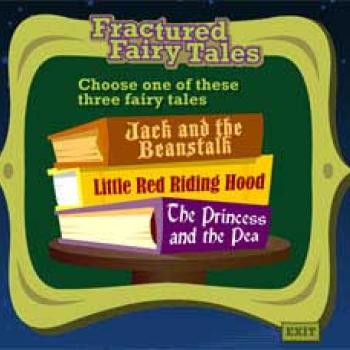
Fractured Fairy Tales

The Fractured Fairy Tale tool encourages students to create their own fractured fairy tales.
Reading Shakespeare with Young Adults
Grades
9 - 12
|
Professional Library
|
Book
Reading Shakespeare with Young Adults
Dakin explores different methods for getting students engaged--and excited--about Shakespeare's plays as they learn to construct meaning from the texts' sixteenth-century language and connect it to their twenty-first-century lives.
Reading for Learning: Using Discipline-Based Texts to Build Content Knowledge
Grades
5 - 10
|
Professional Library
|
Book
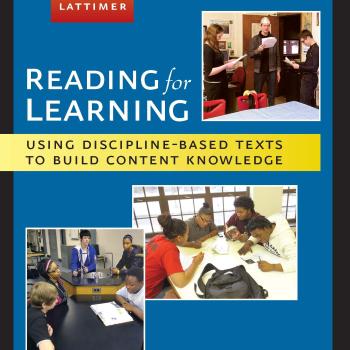
Reading for Learning: Using Discipline-Based Texts to Build Content Knowledge
Heather Lattimer provides practical, classroom-tested approaches to helping students access and critically respond to content-based texts.
Teaching YA Lit through Differentiated Instruction
Grades
9 - 12
|
Professional Library
|
Book
Teaching YA Lit through Differentiated Instruction
Authors Susan L. Groenke and Lisa Scherff offer suggestions for incorporating YA lit into the high school curriculum.
Technology That Powers Up Learning
Grades
5 - 8
|
Professional Library
|
Journal
Technology That Powers Up Learning
By designing lessons to activate prior knowledge and linking these activities to reading and writing, teachers found that students were more engaged, that they learned more material more quickly, and that they more willingly incorporated reading into their lives.

Grades
6 - 12
|
Teens and Trauma

Young adult literature about teens and trauma provides a window into mental illness and the toll it takes on young people. Stories of teens who are dealing with depression, anger, or the wish to die can be difficult to read, but they are important. They give voice to a particular kind of suffering, and they help us develop a deeper understanding of emotional pain. Just as important, they show us how people survive that pain and begin the process of healing. Tune in to hear about six new novels that focus on teens, trauma, and mental illness.

Grades
6 - 12
|
A Conversation with Kristin Cashore

Kristin Cashore is one of those rare authors whose books are deep and beautiful, and whose work helps readers gain perspective on their own lives. Tune in to hear about Kristin's process of writing Bitterblue, how music helps her with writing, and how she copes when writing gets hard.

Grades
6 - 12
|
Fairy Tale Retellings

A growing number of young adult authors are using fairy tales as seeds for their stories. Tune in to hear about an assortment of the newest fairy tale retellings: books that include middle grade humor, satire, coming of age stories, and graphic novels.

Grades
6 - 12
|
International Books for Teens

In this episode, you'll hear about books in a range of genres that give teens insight into the social and political conditions young people face around the globe. Together they offer a sustained look at war, poverty, and the struggle for human rights, but they also speak volumes about ordinary people and their capacity for hope and resilience.

Grades
6 - 12
|
Teen Sexuality

Tune in to hear about an array of nonfiction books on teen sexuality – some about the mechanics of sex, some about the media and body image, some written by teens themselves. You'll hear about books for older as well as younger readers, boys as well as girls, gay teens as well as those who are straight or questioning.

Grades
6 - 12
|
Talking with Teen Librarians

When it comes to motivating and inspiring teens to read, teen librarians have a lot to teach us. You'll hear about the approaches two teen librarians take to their work with teen readers, ways they go about sharing and promoting new titles, plus a short list of their favorite books for teens.

Pagination

  • First page « First
  • Previous page ‹‹
  • Page 1
  • Page 2
  • Page 3
  • Page 4
  • Page 5
  • Page 6
  • Page 7
  • Page 8
  • Next page ››
  • Last page Last »

Explore Resources by Grade

  • KindergartenK
  • 1-2
  • 3-4
  • 5-6
  • 7-8
  • 9-10
  • 11-12

RWT-logo

Powered By NCTE

Footer 1 Menu

  • About
  • Classroom Resources
  • Professional Development
  • Collections
  • Contact Us

Footer 2 Menu

  • National Council of Teachers of English
  • Contribute to RWT
  • FAQs
  • Join NCTE

Footer 3 Menu

  • Legal Notices
  • Privacy Policy
  • Promotional Materials
  • Site Demonstrations

Want to stay in touch with RWT and NCTE? Sign up here!

  • Facebook
  • Twitter
  • Instagram
  • Pinterest
  • YouTube

© NCTE 2026. All rights reserved