Students analyze the Gwendolyn Brooks' poem "We Real Cool" and then write about how the character's pool hall days might influence who the character becomes fifty years in the future.

Many Years Later: Responding to Gwendolyn Brooks' "We Real Cool"
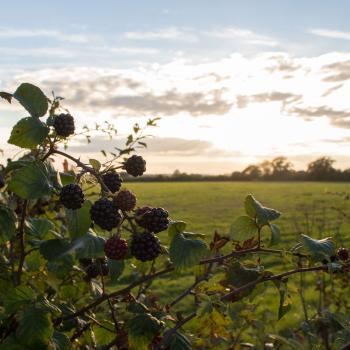
Thinking Inductively: A Close Reading of Seamus Heaney's "Blackberry Picking"
This lesson eases students' fear of interpreting complex poetry by teaching them a strategy with which they determine patterns of imagery, diction, and figurative language in order to unlock meaning.
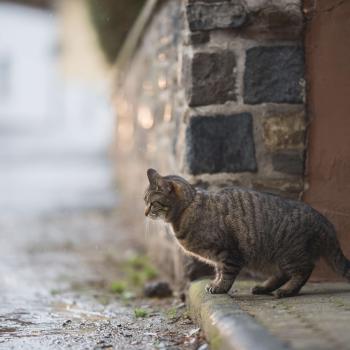
When Less IS More—Understanding Minimalist Fiction
This lesson pairs Ernest Hemingway's short story "Cat in the Rain' with Raymond Carver's "Little Things" to guide students to an understanding of the characteristics of minimalist fiction.

Assessing Cultural Relevance: Exploring Personal Connections to a Text
As a class, students evaluate a nonfiction or realistic fiction text for its cultural relevance to themselves personally and as a group.

BOOKMATCH: Scaffolding Independent Book Selection
This lesson will be turning heads and pages as students learn how to choose appropriate books for independent reading exercises and later evaluate their choices.
Recording Readers Theatre: Developing Comprehension and Fluency With Audio Texts
Students investigate audio texts of mystery stories, evaluate them in terms of both literary and audio qualities, and create Readers Theatre scripts, which they use to record their own podcasts.
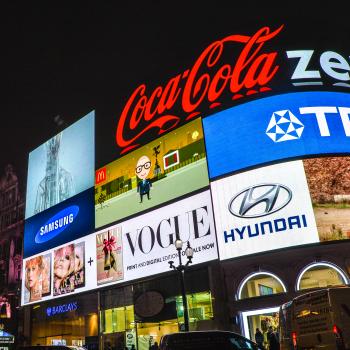
Exploring Consumerism Where Ads and Art Intersect
Students add up the effect of images and persuasive language to analyze the art and words in advertisements.

In the Style of Ernie Pyle: Reporting on World War II
Students will think this lesson should make the headlines when they finish researching Ernie Pyle's work in preparation for writing their own news articles.
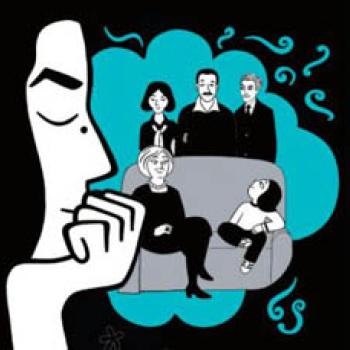
Pictures Tell the Story: Improving Comprehension With Persepolis
Students get the big picture of the Middle East when they read and analyze Marjane Satrapi's graphic novel Persepolis.
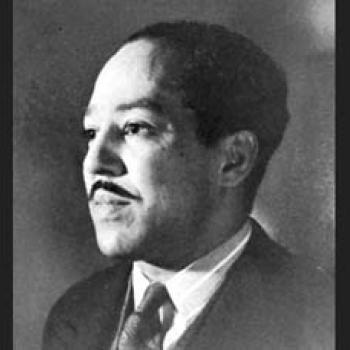
Discovering a Passion for Poetry With Langston Hughes
Through a study of Langston Hughes' poetry, students connect his writing to his place in history.

Magazine Redux: An Exercise in Critical Literacy
Paper and pixels get compared in this lesson in which students compare both printed and online versions of a magazine.

Using Historical Fiction to Learn About the Civil War
Students in grades 4 and 5 discuss inferential comprehension and visualization as they use a think-aloud questioning strategy to develop a deeper understanding of a historical novel.
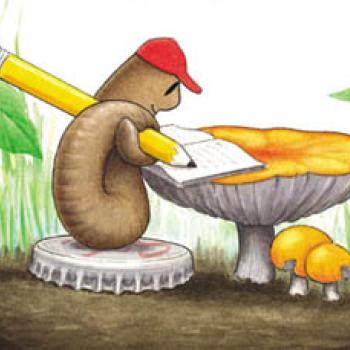
Fact or Fiction: Learning About Worms Using Diary of a Worm
Students often believe that fiction writers make everything up, seldom realizing how research worms its way into entertaining writing. In this lesson, students read Diary of a Worm to find out how fact merges with fiction.
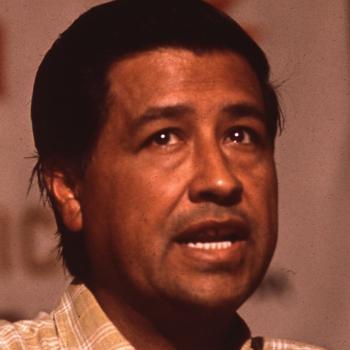
Writing Free Verse in the "Voice" of Cesar Chavez
Poetry and politics combine in this lesson where students write a free verse poem in the voice of Cesar Chavez.
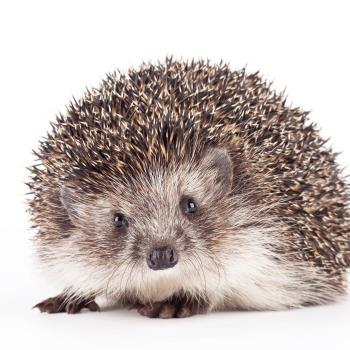
Readers Theatre With Jan Brett
Students in grades 1-2 use Jan Brett's Hedgie's Surprise for a Readers Theatre experience.

A Biography Study: Using Role-Play to Explore Authors' Lives
Students read biographies and explore websites of selected American authors and then role-play as the authors.
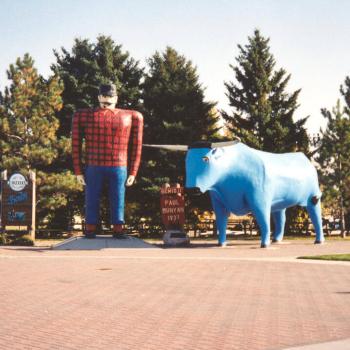
Thundering Tall Tales: Using Read-Aloud as a Springboard to Writing
Imagination and application are key to this tall tale lesson in which students take what they know about tall tales to spin a yarn of their own.
Developing a Living Definition of Reading in the Elementary Classroom
Using the guiding question, "What is reading?" students interact with a variety of texts as they uncover the skills necessary to interact with texts and develop a definition of reading.
What is Poetry? Contrasting Poetry and Prose
Students often find poetry frustrating and meaningless. By helping students think critically about the differences between poetry and prose, this introduction sets the stage for different strategies for comprehending poetic texts.

Lonely as a Cloud: Using Poetry to Understand Similes
Students identify similes in poetry and gain experience in using similes as a poetic device in their own work.