ReadWriteThink - Powered by NCTE
  • About
  • Classroom Resources
    • Lesson Plans
    • Teaching Comics
    • Teaching With Primary Resources
    • Calendar
    • Printouts
    • Student Interactives
  • Collections
    • Assessment
    • Authors
    • Booklists
    • Media Literacy
    • Poetry
    • Primary Sources
    • Writing
  • Professional Development
    • Strategy Guides
    • Professional Library
    • Meetings & Events
  • Join NCTE
  • Contact Us
  • About
  • Classroom Resources
    • Lesson Plans
    • Teaching Comics
    • Teaching With Primary Resources
    • Calendar
    • Printouts
    • Student Interactives
  • Collections
    • Assessment
    • Authors
    • Booklists
    • Media Literacy
    • Poetry
    • Primary Sources
    • Writing
  • Professional Development
    • Strategy Guides
    • Professional Library
    • Meetings & Events
  • Join NCTE
  • Contact Us
  • Facebook
  • Twitter
  • Instagram
  • Pinterest
  • YouTube

Breadcrumb

  1. Home

Type

  • Classroom Resources
  • Professional Development

Grades

  • 1 (97)
  • 2 (98)
  • 3 (129)
  • 4 (135)
  • 5 (154)
  • 6 (161)
  • 7 (175)
  • 8 (176)
  • 9 (199)
  • 10 (195)
  • 11 (189)
  • 12 (189)
  • K (92)

Learning Objectives

  • (-) phonological awareness (61)
  • (-) writing genres (382)
  • collaboration (458)
  • Comprehension (508)
  • critical thinking (649)
  • digital literacy (154)
  • Grammar (57)
  • inquiry / research (350)
  • listening (182)
  • literary analysis (367)
  • Media literacy (205)
  • metacognition (302)
  • multicultural awareness (113)
  • multimodal literacy (260)
  • oral communication (224)
  • print awareness (89)
  • reading fluency (67)
  • reading genres (290)
  • Spelling (51)
  • text structure / story structure (242)
  • Vocabulary (191)
  • writing process (421)

Topics

  • arts
  • careers
  • community
  • drama
  • ELL
  • Family
  • fiction
  • Mathematics
  • Mobile Learning
  • nonfiction
  • poetry
  • science
  • seasons / holidays
  • social action
  • social studies / history
  • Sports
  • STEM
Phonics Through Literature: Learning About the Letter <em>M</em>
Grades
K - 1
|
Lesson Plan
|
Standard Lesson
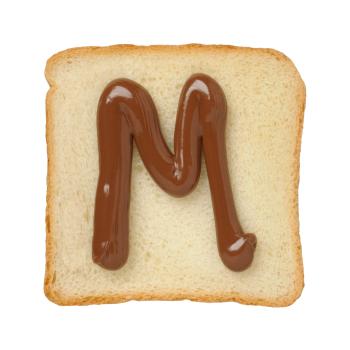
Phonics Through Literature: Learning About the Letter M

Students learn about phonics by focusing on the letter m and participating in an integrated array of activities, including reading, writing, mathematics, music, art, and technology.
Whole-to-Parts Phonics Instruction: Teaching Letter-Sound Correspondences
Grades
K - 2
|
Lesson Plan
|
Standard Lesson
Whole-to-Parts Phonics Instruction: Teaching Letter-Sound Correspondences
Students will find that learning onset and rime is a handy skill when they read the Jack and Jill rhyme.
Grades
K - 2
|
Lesson Plan
|
Minilesson
Word Wizards: Students Making Words
The Word Wizard activities in this lesson transform phonics from drudgery into delight! Students manipulate letters to make different words.

Lights, Camera, Action: Interviewing a Book Character
Grades
6 - 8
|
Lesson Plan
|
Unit
Lights, Camera, Action: Interviewing a Book Character
Students get the inside scoop on a story when they create interview questions and answers for characters in the books they read.
A is for Apple: Building Letter-Recognition Fluency
Grades
K - 2
|
Lesson Plan
|
Standard Lesson
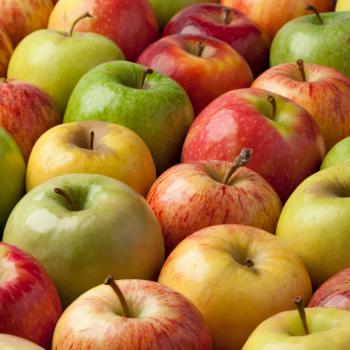
A is for Apple: Building Letter-Recognition Fluency
Students apply and build their knowledge of letters and letter sounds as they play games and interact with letters online, creating their own ABC book as a final activity.
Generating Rhymes: Developing Phonemic Awareness
Grades
K - 2
|
Lesson Plan
|
Standard Lesson
Generating Rhymes: Developing Phonemic Awareness
Traditional chants and songs are adapted to help young students recognize and generate rhymes. The word and letter patterns involved in rhymes provide a stepping stone to reading skills.
Building Phonemic Awareness With Phoneme Isolation
Grades
K - 2
|
Lesson Plan
|
Recurring Lesson
Building Phonemic Awareness With Phoneme Isolation
Students improve phonemic awareness through games and chants that help them isolate beginning and ending sounds and connect them with their written symbols (graphemes).
Multimedia Responses to Content Area Topics Using Fact-"Faction"-Fiction
Grades
3 - 5
|
Lesson Plan
|
Standard Lesson
Multimedia Responses to Content Area Topics Using Fact-"Faction"-Fiction

Students climb into the mind of a spider in this lesson that asks them to compose a spider diary using spider facts, fiction, and "faction"—fiction that sounds like fact.

Gingerbread Phonics
Grades
K - 2
|
Lesson Plan
|
Standard Lesson
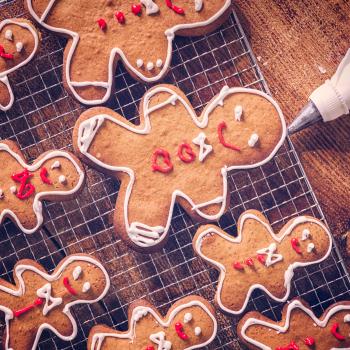
Gingerbread Phonics
"Run, run, as fast as you can." Students use this refrain from The Gingerbread Man to learn letter-sound correspondence. Students use their new skills to write an online story.

From Fact to Fiction: Drawing and Writing Stories
Grades
K - 2
|
Lesson Plan
|
Unit
From Fact to Fiction: Drawing and Writing Stories
Students gather factual information about frogs and toads to create nonfiction and fiction stories. Drawing is used for prewriting.
Getting the <em>ig</em> in Pig: Helping Children Discover Onset and Rime
Grades
K - 2
|
Lesson Plan
|
Standard Lesson
Getting the ig in Pig: Helping Children Discover Onset and Rime
Students will need their language-building hard hats as they construct words using onset and rime, building vocabulary and phonics comprehension.
The Two Voices of the <em>ow</em> Spelling Pattern
Grades
3 - 5
|
Lesson Plan
|
Standard Lesson
The Two Voices of the ow Spelling Pattern
Variable vowels are the focus of this lesson; students use nursery rhymes and ow to study how vowels can change their sounds according to different spelling patterns.
In the Poet's Shoes: Performing Poetry and Building Meaning
Grades
6 - 8
|
Lesson Plan
|
Unit
In the Poet's Shoes: Performing Poetry and Building Meaning
Students take poetic license when they interpret William Carlos William's poem "The Red Wheelbarrow" to help create a poem of their own.

Getting to Know You: Developing Short Biographies to Build Community
Grades
3 - 5
|
Lesson Plan
|
Standard Lesson
Getting to Know You: Developing Short Biographies to Build Community
How well do your students know their peers? Students transform into investigative reporters as they interview a classmate, compile the biographical data into graphic form, and introduce the student to the class.
Two Thumbs Up! Get Students Writing and Publishing Book Reviews
Grades
K - 3
|
Lesson Plan
|
Unit
Two Thumbs Up! Get Students Writing and Publishing Book Reviews
Students evaluate book reviews written by other children, discussing their components and effectiveness, and write reviews of favorite books to record on video or post online.

Slipping, Sliding, Tumbling: Reinforcing Cause and Effect Through Diamante Poems
Grades
6 - 8
|
Lesson Plan
|
Standard Lesson
Slipping, Sliding, Tumbling: Reinforcing Cause and Effect Through Diamante Poems

Writing, revising, and publishing are just a few of the tasks students will complete in order to take their cause-and-effect diamante poems from an idea to a reality.

Bingo! Using Environmental Print to Practice Reading
Grades
K - 2
|
Lesson Plan
|
Standard Lesson
Bingo! Using Environmental Print to Practice Reading
The game Bingo is transformed in this lesson in which students use symbols and images to make connections to environmental print through the use of personalized Bingo cards.

Stop Signs, McDonald's, and Cheerios: Writing With Environmental Print
Grades
K - 2
|
Lesson Plan
|
Standard Lesson
Stop Signs, McDonald's, and Cheerios: Writing With Environmental Print
Students use logos from everyday life to identify individual letters and then create their own captions for the images.

Storytelling in the Social Studies Classroom
Grades
3 - 5
|
Lesson Plan
|
Unit
Storytelling in the Social Studies Classroom
People make the past come alive as students research and then share stories about famous Americans who promoted democratic ideals.
A Race With Grace: Sports Poetry in Motion
Grades
3 - 5
|
Lesson Plan
|
Standard Lesson
A Race With Grace: Sports Poetry in Motion
In this lesson, athletics, aesthetics, and poetics intersect in new ways as developing literacy learners experiment together with the forms of language.

Pagination

  • First page « First
  • Previous page ‹‹
  • …
  • Page 13
  • Page 14
  • Page 15
  • Page 16
  • Page 17
  • Page 18
  • Page 19
  • Page 20
  • Page 21
  • …
  • Next page ››
  • Last page Last »

Explore Resources by Grade

  • KindergartenK
  • 1-2
  • 3-4
  • 5-6
  • 7-8
  • 9-10
  • 11-12

RWT-logo

Powered By NCTE

Footer 1 Menu

  • About
  • Classroom Resources
  • Professional Development
  • Collections
  • Contact Us

Footer 2 Menu

  • National Council of Teachers of English
  • Contribute to RWT
  • FAQs
  • Join NCTE

Footer 3 Menu

  • Legal Notices
  • Privacy Policy
  • Promotional Materials
  • Site Demonstrations

Want to stay in touch with RWT and NCTE? Sign up here!

  • Facebook
  • Twitter
  • Instagram
  • Pinterest
  • YouTube

© NCTE 2026. All rights reserved