ReadWriteThink - Powered by NCTE
  • About
  • Classroom Resources
    • Lesson Plans
    • Teaching Comics
    • Teaching With Primary Resources
    • Calendar
    • Printouts
    • Student Interactives
  • Collections
    • Assessment
    • Authors
    • Booklists
    • Media Literacy
    • Poetry
    • Primary Sources
    • Writing
  • Professional Development
    • Strategy Guides
    • Professional Library
    • Meetings & Events
  • Join NCTE
  • Contact Us
  • About
  • Classroom Resources
    • Lesson Plans
    • Teaching Comics
    • Teaching With Primary Resources
    • Calendar
    • Printouts
    • Student Interactives
  • Collections
    • Assessment
    • Authors
    • Booklists
    • Media Literacy
    • Poetry
    • Primary Sources
    • Writing
  • Professional Development
    • Strategy Guides
    • Professional Library
    • Meetings & Events
  • Join NCTE
  • Contact Us
  • Facebook
  • Twitter
  • Instagram
  • Pinterest
  • YouTube

Breadcrumb

  1. Home

Type

  • (-) Standard Lesson

Grades

  • 1 (10)
  • 2 (11)
  • 3 (43)
  • 4 (46)
  • 5 (51)
  • 6 (62)
  • 7 (59)
  • 8 (63)
  • 9 (101)
  • 10 (99)
  • 11 (99)
  • 12 (99)
  • K (9)

Learning Objectives

  • (-) literary analysis (210)
  • collaboration (249)
  • Comprehension (242)
  • critical thinking (244)
  • digital literacy (71)
  • Grammar (31)
  • inquiry / research (133)
  • listening (72)
  • Media literacy (85)
  • metacognition (86)
  • multicultural awareness (37)
  • multimodal literacy (112)
  • oral communication (107)
  • phonological awareness (33)
  • print awareness (37)
  • reading fluency (33)
  • reading genres (120)
  • Spelling (30)
  • text structure / story structure (113)
  • Vocabulary (100)
  • writing genres (189)
  • writing process (234)

Topics

  • arts
  • careers
  • community
  • drama
  • ELL
  • Family
  • fiction
  • Mathematics
  • Mobile Learning
  • nonfiction
  • poetry
  • science
  • seasons / holidays
  • social action
  • social studies / history
  • Sports
Grades
K - 2
|
Lesson Plan
|
Standard Lesson
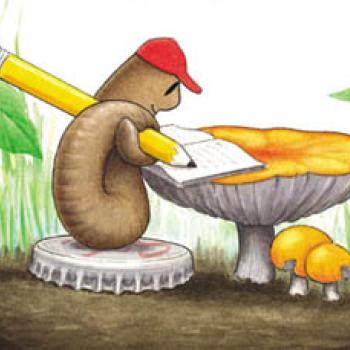
Fact or Fiction: Learning About Worms Using Diary of a Worm
Students often believe that fiction writers make everything up, seldom realizing how research worms its way into entertaining writing. In this lesson, students read Diary of a Worm to find out how fact merges with fiction.
Word Maps: Developing Critical and Analytical Thinking About Literary Characters
Grades
9 - 12
|
Lesson Plan
|
Standard Lesson
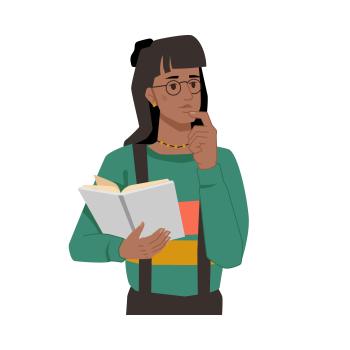
Word Maps: Developing Critical and Analytical Thinking About Literary Characters
Students read "After Twenty Years" by O. Henry, use a word map to identify characters' qualities or traits, discuss the characters' feelings and actions, and reflect upon these in journals.
Developing Students' Critical Thinking Skills Through Whole-Class Dialogue
Grades
3 - 5
|
Lesson Plan
|
Standard Lesson
Developing Students' Critical Thinking Skills Through Whole-Class Dialogue
"That's my position and I'm sticking to it!" After reading about the Korean War, students will take a position in response to an open-ended question, support their position, and evaluate that support.
Sequencing: A Strategy to Succeed at Reading Comprehension
Grades
3 - 5
|
Lesson Plan
|
Standard Lesson
Sequencing: A Strategy to Succeed at Reading Comprehension
Did Paul Bunyan gouge out the Grand Canyon before or after he dug the Great Lakes? Students create a life-sized timeline showing the sequence of events in this tall tale.
Exploring the Subtext Strategy: Thinking Beyond the Text
Grades
2 - 4
|
Lesson Plan
|
Standard Lesson
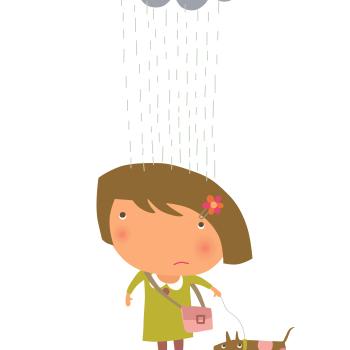
Exploring the Subtext Strategy: Thinking Beyond the Text
What is it like to have a terrible, horrible, no good, very bad day? Students find out in this lesson in which they "become" the characters in Judith Viorst's book.
Press Conference for <em>Bud, Not Buddy</em>
Grades
6 - 8
|
Lesson Plan
|
Standard Lesson
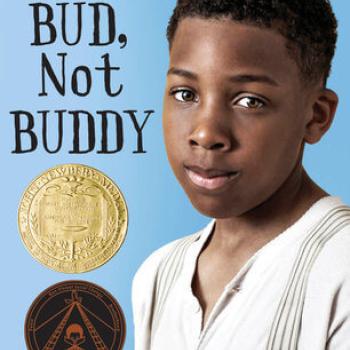
Press Conference for Bud, Not Buddy
Students read Bud, Not Buddy by Christopher Paul Curtis, demonstrate comprehension of the story by involving themselves in discussions, and analyze the characters in preparation for a class "press conference."

Amelia Bedelia Up Close! Closely Reading a Classic Story
Grades
1 - 2
|
Lesson Plan
|
Standard Lesson
Amelia Bedelia Up Close! Closely Reading a Classic Story
Through a close reading of Amelia Bedelia, students reread the material to discuss text-dependent questions, promoting deep thinking about the text and its characters.

What is Poetry? Contrasting Poetry and Prose
Grades
6 - 8
|
Lesson Plan
|
Standard Lesson
What is Poetry? Contrasting Poetry and Prose

Students often find poetry frustrating and meaningless. By helping students think critically about the differences between poetry and prose, this introduction sets the stage for different strategies for comprehending poetic texts.

e-Book Reading and Response: Innovative Ways to Engage with Texts
Grades
5 - 12
|
Lesson Plan
|
Standard Lesson
e-Book Reading and Response: Innovative Ways to Engage with Texts
Students in grades 5 through 12 read and respond to electronic books by using e-book tools and features, including digital note-taking capabilities.

Using Children's Literature to Develop Classroom Community
Grades
3 - 6
|
Lesson Plan
|
Standard Lesson
Using Children's Literature to Develop Classroom Community
Conversation and cooperation bring out the best in students when they hold dialogues about their individual strengths, abilities, and talents.
Lonely as a Cloud: Using Poetry to Understand Similes
Grades
4 - 8
|
Lesson Plan
|
Standard Lesson
Lonely as a Cloud: Using Poetry to Understand Similes
Students identify similes in poetry and gain experience in using similes as a poetic device in their own work.
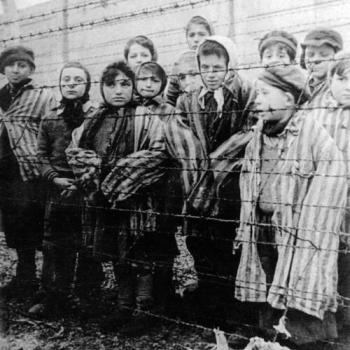
Using Technology to Analyze and Illustrate Symbolism in <em>Night</em>
Grades
6 - 8
|
Lesson Plan
|
Standard Lesson
Using Technology to Analyze and Illustrate Symbolism in Night
Images have power—they can trigger memories or symbolize abstract ideas. Students put the power of images to the test as they analyze symbolism in Night and create symbolic photomontages.

Dancing Minds and Shouting Smiles: Teaching Personification Through Poetry
Grades
3 - 5
|
Lesson Plan
|
Standard Lesson
Dancing Minds and Shouting Smiles: Teaching Personification Through Poetry
Students learn about personification by reading and discussing poems and then brainstorm nouns and verbs to create personification in their own poems.
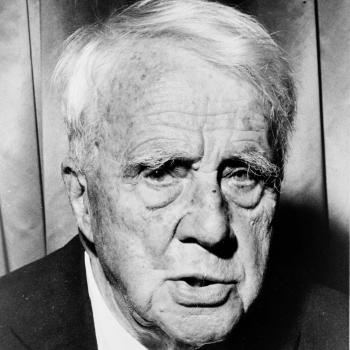
Robert Frost Prompts the Poet in <em>You</em>
Grades
6 - 8
|
Lesson Plan
|
Standard Lesson
Robert Frost Prompts the Poet in You
Students will find their inner poet laureate in this lesson that involves writing a poem in the style of Robert Frost.
Inferring How and Why Characters Change
Grades
3 - 5
|
Lesson Plan
|
Standard Lesson
Inferring How and Why Characters Change
Students will really get into character when they read short stories and analyze the how's and why's of characters' behaviors.

Poetry: Sound and Sense
Grades
9 - 12
|
Lesson Plan
|
Standard Lesson
Poetry: Sound and Sense
Students' groans about studying poetry may disappear with this lesson in which students read poetry from various writers and use these poems to examine the sounds and sense of language.

Review Redux: Introducing Literary Criticism Through Reception Moments
Grades
9 - 12
|
Lesson Plan
|
Standard Lesson
Review Redux: Introducing Literary Criticism Through Reception Moments
Literature takes on a life of its own as students take a hands-on approach to exploring A Raisin in the Sun for cultural and historical context.

Teaching Shapes Using Read-Alouds, Visualization, and Sketch to Stretch
Grades
K - 2
|
Lesson Plan
|
Standard Lesson
Teaching Shapes Using Read-Alouds, Visualization, and Sketch to Stretch
Visual clues in winter-themed books used in this lesson encourage students to make real-world math connections.

Grades
6 - 8
|
Lesson Plan
|
Standard Lesson
Collaborating, Writing, Linking: Using Wikis to Tell Stories Online
Students become online authors in this lesson in which they write and post a short story using wiki technology.
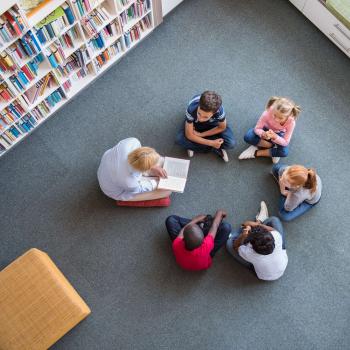
Give Them a Hand: Promoting Positive Interaction in Literature Circles
Grades
6 - 8
|
Lesson Plan
|
Standard Lesson
Give Them a Hand: Promoting Positive Interaction in Literature Circles
Students circle their desks as they analyze their own participation within a small group discussion.

Pagination

  • First page « First
  • Previous page ‹‹
  • …
  • Page 3
  • Page 4
  • Page 5
  • Page 6
  • Page 7
  • Page 8
  • Page 9
  • Page 10
  • Page 11
  • Next page ››
  • Last page Last »

Explore Resources by Grade

  • KindergartenK
  • 1-2
  • 3-4
  • 5-6
  • 7-8
  • 9-10
  • 11-12

RWT-logo

Powered By NCTE

Footer 1 Menu

  • About
  • Classroom Resources
  • Professional Development
  • Collections
  • Contact Us

Footer 2 Menu

  • National Council of Teachers of English
  • Contribute to RWT
  • FAQs
  • Join NCTE

Footer 3 Menu

  • Legal Notices
  • Privacy Policy
  • Promotional Materials
  • Site Demonstrations

Want to stay in touch with RWT and NCTE? Sign up here!

  • Facebook
  • Twitter
  • Instagram
  • Pinterest
  • YouTube

© NCTE 2026. All rights reserved