Students become online authors in this lesson in which they write and post a short story using wiki technology.

Collaborating, Writing, Linking: Using Wikis to Tell Stories Online

And the Question Is... Writing Good Survey Questions
There's no question that students will be able to compose good survey questions by the end of this lesson.
And the Question Is... Evaluating the Validity of a Survey
In this lesson, students learn to ask the right questions about the validity of surveys.

Poetry Circles: Generative Writing Loops Help Students Craft Verse
Students put their heads together in a poetry circle to learn and practice different forms of poetry.
Story Elements Alive!
What's in a narrative? Students find out in this lesson in which they explore four narrative elements—setting, characters, problem/solution, and plot, through purpose-driven read-alouds and independent reading.
Reading, Writing, Haiku Hiking! A Class Book of Picturesque Poems
Students learn haiku
write descriptive poems
and share with the class.

Family Ties: Making Connections to Improve Reading Comprehension
Families are all about connections between people. In this lesson, students read three books about different families and make text-to-self, text-to-text, and text-to-world connections to those texts.

Using Greeting Cards to Motivate Students and Enhance Literacy Skills
Imagination and illustration are the key in this lesson in which students read and create their own greeting cards.
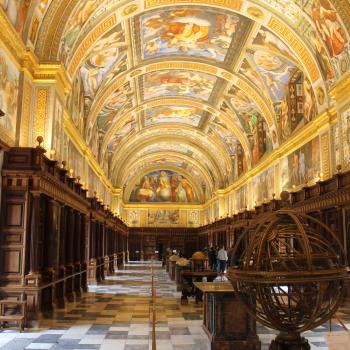
A World of Readers: Libraries Around the World
Bookworms will enjoy the bytes they find in this lesson as they research and share information about online library services in places around the world.
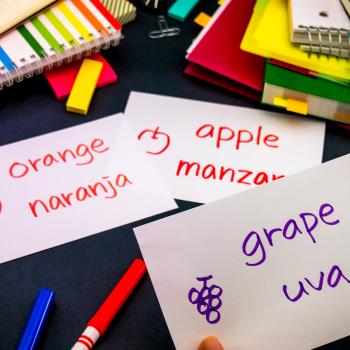
Let's Read It Again: Comprehension Strategies for English-Language Learners
Help Spanish-speaking English-language learners unlock the mysteries of their new language by using a bilingual book to recognize unfamiliar words and construct meaning from the text.
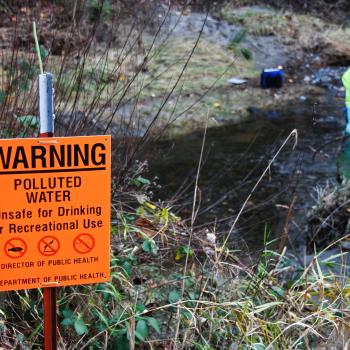
Reading and Writing About Pollution to Understand Cause and Effect
Students get to write a whale of a tale when they complete a graphic organizer sequencing the journey of a mountain fish to a polluted waterway.
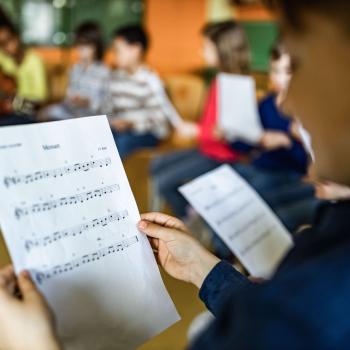
Read a Song: Using Song Lyrics for Reading and Writing
This lesson will be music to the students' ears when they hear that they get to read song lyrics and compose original lyrics for a familiar song.

Developing Story Structure With Paper-Bag Skits
Lights, camera, action, and a bit of mystery! In this lesson, students use mystery props in a skit bag to create and perform in short, impromptu skits.
Zines for Kids: Multigenre Texts About Media Icons
Special edition! Students use ReadWriteThink tools to create magazines about prominent figures using a variety of writing genres and styles.

Cowboys and Castles: Interacting With Fractured Texas Tales
What do cowboy hats have to do with fairy tales? Two traditional fairy tales and their Texas-based counterparts set the stage for five different ways to respond to text.
Using a Predictable Text to Teach High-Frequency Words
After reading an engaging yet predictable text about a child looking for his cat, students use a similar format and high-frequency words to craft tales about their own lost pets.

Alaska Native Stories: Using Narrative to Introduce Expository Text
Tradition and technology come together in this lesson in which students learn about Alaskan animals through Native American tales and their own online research.
Multimedia Responses to Content Area Topics Using Fact-"Faction"-Fiction
Students climb into the mind of a spider in this lesson that asks them to compose a spider diary using spider facts, fiction, and "faction"fiction that sounds like fact.

Using THIEVES to Preview Nonfiction Texts
Students become "thieves" in this lesson as they use a previewing strategy to "steal" information from textbooks and other nonfiction texts before actually reading them.
From Fact to Fiction: Drawing and Writing Stories
Students gather factual information about frogs and toads to create nonfiction and fiction stories. Drawing is used for prewriting.