ReadWriteThink - Powered by NCTE
  • About
  • Classroom Resources
    • Lesson Plans
    • Teaching Comics
    • Teaching With Primary Resources
    • Calendar
    • Printouts
    • Student Interactives
  • Collections
    • Assessment
    • Authors
    • Booklists
    • Media Literacy
    • Poetry
    • Primary Sources
    • Writing
  • Professional Development
    • Strategy Guides
    • Professional Library
    • Meetings & Events
  • Join NCTE
  • Contact Us
  • About
  • Classroom Resources
    • Lesson Plans
    • Teaching Comics
    • Teaching With Primary Resources
    • Calendar
    • Printouts
    • Student Interactives
  • Collections
    • Assessment
    • Authors
    • Booklists
    • Media Literacy
    • Poetry
    • Primary Sources
    • Writing
  • Professional Development
    • Strategy Guides
    • Professional Library
    • Meetings & Events
  • Join NCTE
  • Contact Us
  • Facebook
  • Twitter
  • Instagram
  • Pinterest
  • YouTube

Breadcrumb

  1. Home

Type

  • Classroom Resources
  • Professional Development

Grades

  • 1 (27)
  • 2 (33)
  • 3 (80)
  • 4 (79)
  • 5 (91)
  • 6 (106)
  • 7 (99)
  • 8 (100)
  • 9 (110)
  • 10 (109)
  • 11 (106)
  • 12 (105)
  • K (18)

Learning Objectives

  • (-) critical thinking (213)
  • collaboration (153)
  • Comprehension (211)
  • digital literacy (41)
  • Grammar (10)
  • inquiry / research (70)
  • listening (68)
  • literary analysis (202)
  • Media literacy (52)
  • metacognition (87)
  • multicultural awareness (40)
  • multimodal literacy (71)
  • oral communication (76)
  • phonological awareness (19)
  • print awareness (24)
  • reading fluency (22)
  • reading genres (158)
  • Spelling (14)
  • text structure / story structure (107)
  • Vocabulary (57)
  • writing genres (109)
  • writing process (126)

Topics

  • (-) fiction
  • arts
  • careers
  • community
  • drama
  • ELL
  • Family
  • Mathematics
  • Mobile Learning
  • nonfiction
  • poetry
  • science
  • seasons / holidays
  • social action
  • social studies / history
  • Sports
  • STEM
Grades
3 - 5
|
Lesson Plan
|
Standard Lesson
Developing Inferential Comprehension Through DL-TA and Discussion Webs
Students will love unwrapping this lesson about before, during, and after reading activities based on Margaree King Mitchell's book, Grandaddy's Gift.

Seuss and Silverstein: Posing Questions, Presenting Points
Grades
9 - 12
|
Lesson Plan
|
Standard Lesson
Seuss and Silverstein: Posing Questions, Presenting Points

Students will enjoy this blast from the past as they read the works of Dr. Seuss and Shel Silverstein to analyze the way social issues are addressed in selected works.

Grades
9 - 12
|
Lesson Plan
|
Unit
I've Got the Literacy Blues
Students will be singing the blues in this lesson in which they identify themes from "The Gift of the Magi" and write and present blues poetry based on those themes.

Grades
3 - 5
|
Lesson Plan
|
Unit
Behind the Scenes With Cinderella

Cinderella without castles, coaches, or ball gowns? Students use versions of Cinderella to explore how the setting of a story—time, place, and culture—affects the characters and plot.

Grades
3 - 5
|
Lesson Plan
|
Recurring Lesson
Guided Comprehension: Evaluating Using the Meeting of the Minds Technique
Based on the Guided Comprehension Model developed by Maureen McLaughlin and Mary Beth Allen, this lesson introduces students to the strategy of evaluating, using the Meeting of the Minds technique.

Guided Comprehension: Knowing How Words Work Using Semantic Feature Analysis
Grades
3 - 6
|
Lesson Plan
|
Recurring Lesson
Guided Comprehension: Knowing How Words Work Using Semantic Feature Analysis
Based on the Guided Comprehension Model developed by Maureen McLaughlin and Mary Beth Allen, this lesson introduces students to the comprehension strategy of knowing how words work.
Magazine Redux: An Exercise in Critical Literacy
Grades
9 - 12
|
Lesson Plan
|
Standard Lesson
Magazine Redux: An Exercise in Critical Literacy
Paper and pixels get compared in this lesson in which students compare both printed and online versions of a magazine.

Critical Reading: Two Stories, Two Authors, Same Plot?
Grades
9 - 12
|
Lesson Plan
|
Standard Lesson
Critical Reading: Two Stories, Two Authors, Same Plot?
Students make predictions about the stories and analyze story elements, compare and contrast the different stories, distinguish between fact and opinion, and draw conclusions supported by evidence from their readings.
What Did They Say? Dialect in <em>The Color Purple</em>
Grades
9 - 12
|
Lesson Plan
What Did They Say? Dialect in The Color Purple
Y'all set down a spell and learn ‘bout dialects!" In other words, your students will use The Color Purple to explore dialect and how it reveals information about the characters.
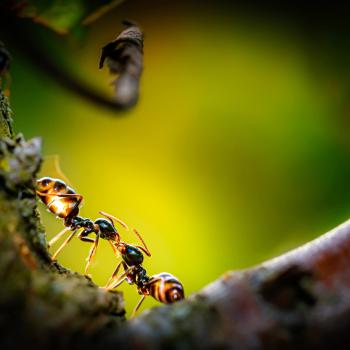
Teaching Point of View With <em>Two Bad Ants</em>
Grades
3 - 5
|
Lesson Plan
|
Standard Lesson
Teaching Point of View With Two Bad Ants
Students will be crawling all over this assignment when they use illustrations and text to learn about life from a bug's point of view.

Diagram It! Identifying, Comparing, and Writing About Nonfiction Texts
Grades
K - 2
|
Lesson Plan
|
Unit
Diagram It! Identifying, Comparing, and Writing About Nonfiction Texts
Students compare the traits fact and fiction by using a Venn diagram to compare fiction and nonfiction books about Native Americans.
Word Maps: Developing Critical and Analytical Thinking About Literary Characters
Grades
9 - 12
|
Lesson Plan
|
Standard Lesson
Word Maps: Developing Critical and Analytical Thinking About Literary Characters
Students read "After Twenty Years" by O. Henry, use a word map to identify characters' qualities or traits, discuss the characters' feelings and actions, and reflect upon these in journals.

Thrills! Chills! Using Scary Stories to Motivate Students to Read
Grades
6 - 8
|
Lesson Plan
|
Unit
Thrills! Chills! Using Scary Stories to Motivate Students to Read
Students examine story elements through teacher read-alouds and independent reading and then use reader-response journals and graphic organizers to prepare for the creation of their own scary stories.
Grades
K - 2
|
Lesson Plan
|
Unit
Junie B. Jones Introduces Literacy Mystery Boxes
Like Junie B. Jones, students will be saying "Wait till you hear this" after listening to a Junie B. story and creating mystery boxes to help retell the story.

A High-Interest Novel Helps Struggling Readers Confront Bullying in Schools
Grades
9 - 12
|
Lesson Plan
|
Unit
A High-Interest Novel Helps Struggling Readers Confront Bullying in Schools
Students read a work of realistic fiction about bullying and gain understanding through writing, Readers Theatre, and discussion.
Applying Question-Answer Relationships to Pictures
Grades
3 - 5
|
Lesson Plan
|
Standard Lesson
Applying Question-Answer Relationships to Pictures
A picture is worth a thousand words as students are guided in viewing wordless picture books and responding to four different types of questions about the images they see.

Thundering Tall Tales: Using Read-Aloud as a Springboard to Writing
Grades
3 - 5
|
Lesson Plan
|
Standard Lesson
Thundering Tall Tales: Using Read-Aloud as a Springboard to Writing
Imagination and application are key to this tall tale lesson in which students take what they know about tall tales to spin a yarn of their own.
Exploring the Subtext Strategy: Thinking Beyond the Text
Grades
2 - 4
|
Lesson Plan
|
Standard Lesson
Exploring the Subtext Strategy: Thinking Beyond the Text
What is it like to have a terrible, horrible, no good, very bad day? Students find out in this lesson in which they "become" the characters in Judith Viorst's book.
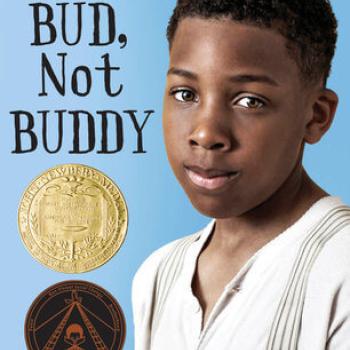
Press Conference for <em>Bud, Not Buddy</em>
Grades
6 - 8
|
Lesson Plan
|
Standard Lesson
Press Conference for Bud, Not Buddy
Students read Bud, Not Buddy by Christopher Paul Curtis, demonstrate comprehension of the story by involving themselves in discussions, and analyze the characters in preparation for a class "press conference."

Show What You Know: Read, Write and Solve Math Problems
Grades
2 - 3
|
Lesson Plan
|
Minilesson
Show What You Know: Read, Write and Solve Math Problems
Informational texts, iPads, and interactive games, oh, my! Help students journey through multimodal texts to identify and solve real-world mathematics problems using writing and apps.

Pagination

  • First page « First
  • Previous page ‹‹
  • …
  • Page 2
  • Page 3
  • Page 4
  • Page 5
  • Page 6
  • Page 7
  • Page 8
  • Page 9
  • Page 10
  • …
  • Next page ››
  • Last page Last »

Explore Resources by Grade

  • KindergartenK
  • 1-2
  • 3-4
  • 5-6
  • 7-8
  • 9-10
  • 11-12

RWT-logo

Powered By NCTE

Footer 1 Menu

  • About
  • Classroom Resources
  • Professional Development
  • Collections
  • Contact Us

Footer 2 Menu

  • National Council of Teachers of English
  • Contribute to RWT
  • FAQs
  • Join NCTE

Footer 3 Menu

  • Legal Notices
  • Privacy Policy
  • Promotional Materials
  • Site Demonstrations

Want to stay in touch with RWT and NCTE? Sign up here!

  • Facebook
  • Twitter
  • Instagram
  • Pinterest
  • YouTube

© NCTE 2026. All rights reserved