ReadWriteThink - Powered by NCTE
  • About
  • Classroom Resources
    • Lesson Plans
    • Teaching Comics
    • Teaching With Primary Resources
    • Calendar
    • Printouts
    • Student Interactives
  • Collections
    • Assessment
    • Authors
    • Booklists
    • Media Literacy
    • Poetry
    • Primary Sources
    • Writing
  • Professional Development
    • Strategy Guides
    • Professional Library
    • Meetings & Events
  • Join NCTE
  • Contact Us
  • About
  • Classroom Resources
    • Lesson Plans
    • Teaching Comics
    • Teaching With Primary Resources
    • Calendar
    • Printouts
    • Student Interactives
  • Collections
    • Assessment
    • Authors
    • Booklists
    • Media Literacy
    • Poetry
    • Primary Sources
    • Writing
  • Professional Development
    • Strategy Guides
    • Professional Library
    • Meetings & Events
  • Join NCTE
  • Contact Us
  • Facebook
  • Twitter
  • Instagram
  • Pinterest
  • YouTube

Breadcrumb

  1. Home

Type

  • Classroom Resources
  • Professional Development

Grades

  • 1 (79)
  • 2 (86)
  • 3 (198)
  • 4 (211)
  • 5 (249)
  • 6 (291)
  • 7 (307)
  • 8 (311)
  • 9 (289)
  • 10 (283)
  • 11 (281)
  • 12 (279)
  • K (65)

Learning Objectives

  • (-) inquiry / research (350)
  • (-) metacognition (302)
  • collaboration (458)
  • Comprehension (508)
  • critical thinking (649)
  • digital literacy (154)
  • Grammar (57)
  • listening (182)
  • literary analysis (367)
  • Media literacy (205)
  • multicultural awareness (113)
  • multimodal literacy (260)
  • oral communication (224)
  • phonological awareness (61)
  • print awareness (89)
  • reading fluency (67)
  • reading genres (290)
  • Spelling (51)
  • text structure / story structure (242)
  • Vocabulary (191)
  • writing genres (382)
  • writing process (421)

Topics

  • arts
  • careers
  • community
  • drama
  • ELL
  • Family
  • fiction
  • Mathematics
  • Mobile Learning
  • nonfiction
  • poetry
  • science
  • seasons / holidays
  • social action
  • social studies / history
  • Sports
  • STEM
Predicting and Gathering Information With Nonfiction Texts
Grades
K - 2
|
Lesson Plan
|
Unit
Predicting and Gathering Information With Nonfiction Texts
Students take a walk on the wild side when they develop an understanding of nonfiction texts with hands-on experiences and intense analysis.
Sequencing: A Strategy to Succeed at Reading Comprehension
Grades
3 - 5
|
Lesson Plan
|
Standard Lesson
Sequencing: A Strategy to Succeed at Reading Comprehension
Did Paul Bunyan gouge out the Grand Canyon before or after he dug the Great Lakes? Students create a life-sized timeline showing the sequence of events in this tall tale.
Creative Communication Frames: Discovering Similarities between Writing and Art
Grades
6 - 8
|
Lesson Plan
|
Standard Lesson
Creative Communication Frames: Discovering Similarities between Writing and Art
Graphic organizers assist the development of comparative vocabulary and generate discussions of analogy and metaphor in art as students go on a real or virtual tour of an art gallery.

Reading Movies and TV: Learning the "Language" of Moving-Image Texts
Grades
5 - 12
|
Lesson Plan
|
Minilesson
Reading Movies and TV: Learning the "Language" of Moving-Image Texts
Introduce students to the idea that movies and TV have their own language and grammar, which gives them special ways of telling their stories.

Create a Great Future: STEM Career Research Using Close Reading
Grades
6 - 12
|
Lesson Plan
|
Minilesson
Create a Great Future: STEM Career Research Using Close Reading
What if students could see the relevance of their school curriculum to real-world, interesting, STEM-related careers? Let's help them create a great future!
Finding Solutions to Food Waste: Persuasion in a Digital World
Grades
7 - 9
|
Lesson Plan
|
Unit
Finding Solutions to Food Waste: Persuasion in a Digital World
Using various reading strategies and resources, students explore the issue of food waste. They also create persuasive arguments and blog posts examining this topic.
Inspire Healthful Reading Using Unconventional Texts
Grades
K - 2
|
Lesson Plan
|
Minilesson
Inspire Healthful Reading Using Unconventional Texts
This minilesson encourages children to seek out and appropriately react to nutrition labels and to make healthy food choices, integrating science, math, health, and literacy.
Beyond History Books: Researching With Twin Texts and Technology
Grades
4 - 8
|
Lesson Plan
Beyond History Books: Researching With Twin Texts and Technology
Students in grades 4–8 activate prior knowledge and research information about a historic event through fiction and nonfiction literature and exploration of relevant websites.

<i>The Houdini Box</i>: What Did Houdini Hide? Writing Creative Endings
Grades
3 - 6
|
Lesson Plan
|
Standard Lesson
The Houdini Box: What Did Houdini Hide? Writing Creative Endings

Students are encouraged to understand a book that the teacher reads aloud to create a new ending for it using the writing process.

What's Under the Slide? Making Inferences Using Microscopes
Grades
3 - 5
|
Lesson Plan
|
Minilesson
What's Under the Slide? Making Inferences Using Microscopes
Students hone their critical thinking skills by learning how to make inferences from textual clues.

What is Poetry? Contrasting Poetry and Prose
Grades
6 - 8
|
Lesson Plan
|
Standard Lesson
What is Poetry? Contrasting Poetry and Prose

Students often find poetry frustrating and meaningless. By helping students think critically about the differences between poetry and prose, this introduction sets the stage for different strategies for comprehending poetic texts.
Jazz Up Writing Workshop: Writing Biographies of African American Jazz Musicians
Grades
2 - 3
|
Lesson Plan
|
Unit
Jazz Up Writing Workshop: Writing Biographies of African American Jazz Musicians
During writing workshop, students research, write, revise, and share their own comprehensive biographies of African American jazz musicians.
Rain, Ice, Steam: Using Reading to Support Inquiry About the Water Cycle
Grades
K - 2
|
Lesson Plan
|
Unit
Rain, Ice, Steam: Using Reading to Support Inquiry About the Water Cycle
Water is always moving in a continuous cycle from liquid to solid to gas and back again. Students study this never-ending cycle through shared readings, center activities, and experiments.
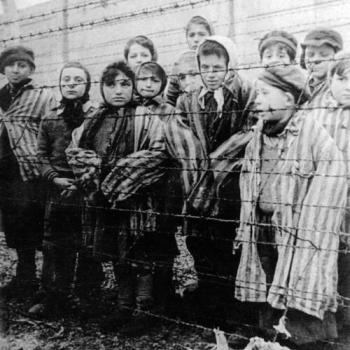
Using Technology to Analyze and Illustrate Symbolism in <em>Night</em>
Grades
6 - 8
|
Lesson Plan
|
Standard Lesson
Using Technology to Analyze and Illustrate Symbolism in Night
Images have power—they can trigger memories or symbolize abstract ideas. Students put the power of images to the test as they analyze symbolism in Night and create symbolic photomontages.
Integrating Literacy Into the Study of the Earth's Surface
Grades
3 - 5
|
Lesson Plan
|
Standard Lesson
Integrating Literacy Into the Study of the Earth's Surface
Water covers 71% of the earth's surface—does it get the instructional time it deserves in your busy curriculum? Students wade right in to the study of bodies of water as they read and discuss science trade books and work together to develop Readers Theater scripts based on selected titles.

Using Word Storms to Explore Vocabulary and Encourage Critical Thinking
Grades
3 - 5
|
Lesson Plan
|
Recurring Lesson
Using Word Storms to Explore Vocabulary and Encourage Critical Thinking
Students learn that dogs are more than just pets in this lesson, which teaches them to use research and vocabulary-acquisition strategies to learn and write about working dogs.
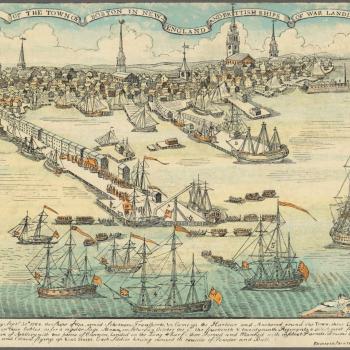
Learning About Research and Writing Using the American Revolution
Grades
3 - 5
|
Lesson Plan
|
Unit
Learning About Research and Writing Using the American Revolution
Students across the board will get a kick out of researching a historical figure from the American Revolution to create an acrostic poem.

I Wonder: Writing Scientific Explanations With Students
Grades
K - 2
|
Lesson Plan
|
Unit
I Wonder: Writing Scientific Explanations With Students
Students choose a question to explore, research it using a variety of resources, organize their information on a TCF chart, and then collaboratively write a class scientific explanation.

How-To Writing: Motivating Students to Write for a Real Purpose
Grades
3 - 5
|
Lesson Plan
|
Standard Lesson
How-To Writing: Motivating Students to Write for a Real Purpose

It's not easy surviving fourth grade (or third or fifth)! In this lesson, students brainstorm survival tips for future fourth graders and incorporate those tips into an essay.

Buzz! Whiz! Bang! Using Comic Books to Teach Onomatopoeia
Grades
3 - 5
|
Lesson Plan
|
Standard Lesson
Buzz! Whiz! Bang! Using Comic Books to Teach Onomatopoeia
This lesson is sure to sizzle, not fizzle, as students use comic strips to find onomatopoetic words, develop a vocabulary list from the words, and discuss why writers use onomatopoeia.

Pagination

  • First page « First
  • Previous page ‹‹
  • …
  • Page 11
  • Page 12
  • Page 13
  • Page 14
  • Page 15
  • Page 16
  • Page 17
  • Page 18
  • Page 19
  • …
  • Next page ››
  • Last page Last »

Explore Resources by Grade

  • KindergartenK
  • 1-2
  • 3-4
  • 5-6
  • 7-8
  • 9-10
  • 11-12

RWT-logo

Powered By NCTE

Footer 1 Menu

  • About
  • Classroom Resources
  • Professional Development
  • Collections
  • Contact Us

Footer 2 Menu

  • National Council of Teachers of English
  • Contribute to RWT
  • FAQs
  • Join NCTE

Footer 3 Menu

  • Legal Notices
  • Privacy Policy
  • Promotional Materials
  • Site Demonstrations

Want to stay in touch with RWT and NCTE? Sign up here!

  • Facebook
  • Twitter
  • Instagram
  • Pinterest
  • YouTube

© NCTE 2026. All rights reserved