ReadWriteThink - Powered by NCTE
  • About
  • Classroom Resources
    • Lesson Plans
    • Teaching Comics
    • Teaching With Primary Resources
    • Calendar
    • Printouts
    • Student Interactives
  • Collections
    • Assessment
    • Authors
    • Booklists
    • Media Literacy
    • Poetry
    • Primary Sources
    • Writing
  • Professional Development
    • Strategy Guides
    • Professional Library
    • Meetings & Events
  • Join NCTE
  • Contact Us
  • About
  • Classroom Resources
    • Lesson Plans
    • Teaching Comics
    • Teaching With Primary Resources
    • Calendar
    • Printouts
    • Student Interactives
  • Collections
    • Assessment
    • Authors
    • Booklists
    • Media Literacy
    • Poetry
    • Primary Sources
    • Writing
  • Professional Development
    • Strategy Guides
    • Professional Library
    • Meetings & Events
  • Join NCTE
  • Contact Us
  • Facebook
  • Twitter
  • Instagram
  • Pinterest
  • YouTube

Breadcrumb

  1. Home

Type

  • (-) Classroom Resources
  • Minilesson
  • Recurring Lesson
  • Standard Lesson

Grades

  • 1 (8)
  • 2 (8)
  • 3 (1)
  • 4 (1)
  • 5 (1)
  • K (8)

Learning Objectives

  • (-) phonological awareness (10)
  • collaboration (49)
  • Comprehension (49)
  • critical thinking (55)
  • digital literacy (13)
  • Grammar (13)
  • inquiry / research (23)
  • listening (26)
  • literary analysis (58)
  • Media literacy (9)
  • metacognition (34)
  • multicultural awareness (12)
  • multimodal literacy (20)
  • oral communication (22)
  • print awareness (11)
  • reading fluency (8)
  • reading genres (31)
  • Spelling (8)
  • text structure / story structure (19)
  • Vocabulary (32)
  • writing genres (78)
  • writing process (69)

Topics

  • (-) poetry
  • arts
  • community
  • drama
  • Family
  • fiction
  • Mobile Learning
  • nonfiction
  • seasons / holidays
  • social studies / history
Literacy Centers: Getting Started
Grades
K - 2
|
Lesson Plan
|
Recurring Lesson
Literacy Centers: Getting Started
This lesson gives teachers resources and guidance to create reading, listening, computer, and poetry Literacy Centers in their own classrooms.

Grades
1 - 2
|
Lesson Plan
|
Standard Lesson
Acrostic Poems: All About Me and My Favorite Things

Students create acrostic poems using their names and the names of things that are important to them.
Grades
K - 2
|
Lesson Plan
|
Standard Lesson
Writing Poetry with Rebus and Rhyme
This lesson encourages students to use rhyming words to write rebus poetry modeled on rebus books, which substitute pictures for the words that young students cannot yet identify or decode.

Dr. Seuss's Sound Words: Playing with Phonics and Spelling
Grades
K - 2
|
Lesson Plan
|
Standard Lesson
Dr. Seuss's Sound Words: Playing with Phonics and Spelling
Boom! Br-r-ring! Cluck! Moo!—Everywhere you turn, you find exciting sounds. Students use these sounds to write their own poems based on Dr. Seuss's Mr. Brown Can MOO! Can You?
Growing Readers and Writers with Help from Mother Goose
Grades
K
|
Lesson Plan
|
Recurring Lesson
Growing Readers and Writers with Help from Mother Goose
Watch Mother Goose work her magic! This lesson uses nursery rhymes to help emergent readers remember the letters and their sounds and identify word chunks.
Let's Read It Again: Comprehension Strategies for English-Language Learners
Grades
K - 2
|
Lesson Plan
|
Standard Lesson
Let's Read It Again: Comprehension Strategies for English-Language Learners
Help Spanish-speaking English-language learners unlock the mysteries of their new language by using a bilingual book to recognize unfamiliar words and construct meaning from the text.
Phonic Generalizations in <em>Chrysanthemum</em>
Grades
K - 2
|
Lesson Plan
|
Minilesson
Phonic Generalizations in Chrysanthemum
Students learn about word families by reading Kevin Henkes's book Chrysanthemum, identifying words with certain vowel pair endings, and reading words with similar endings.
Whole-to-Parts Phonics Instruction: Teaching Letter-Sound Correspondences
Grades
K - 2
|
Lesson Plan
|
Standard Lesson
Whole-to-Parts Phonics Instruction: Teaching Letter-Sound Correspondences
Students will find that learning onset and rime is a handy skill when they read the Jack and Jill rhyme.
Multipurpose Poetry: Introducing Science Concepts and Increasing Fluency
Grades
3 - 5
|
Lesson Plan
|
Standard Lesson
Multipurpose Poetry: Introducing Science Concepts and Increasing Fluency

Creepy crawlers, hoppers, and fliers are the focus of this lesson in which students chorally read poems about insects and use the Internet to locate facts about their assigned insects.
Word Recognition Strategies Using Nursery Rhymes
Grades
K - 2
|
Lesson Plan
|
Standard Lesson
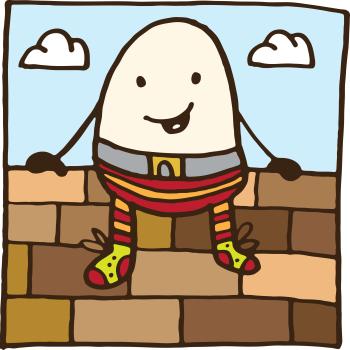
Word Recognition Strategies Using Nursery Rhymes
Whether you sing or recite familiar nursery rhymes in this standard lesson, students will learn how to create and categorize words that have similar endings.

Explore Resources by Grade

  • KindergartenK
  • 1-2
  • 3-4
  • 5-6
  • 7-8
  • 9-10
  • 11-12

RWT-logo

Powered By NCTE

Footer 1 Menu

  • About
  • Classroom Resources
  • Professional Development
  • Collections
  • Contact Us

Footer 2 Menu

  • National Council of Teachers of English
  • Contribute to RWT
  • FAQs
  • Join NCTE

Footer 3 Menu

  • Legal Notices
  • Privacy Policy
  • Promotional Materials
  • Site Demonstrations

Want to stay in touch with RWT and NCTE? Sign up here!

  • Facebook
  • Twitter
  • Instagram
  • Pinterest
  • YouTube

© NCTE 2026. All rights reserved