ReadWriteThink - Powered by NCTE
  • About
  • Classroom Resources
    • Lesson Plans
    • Teaching Comics
    • Teaching With Primary Resources
    • Calendar
    • Printouts
    • Student Interactives
  • Collections
    • Assessment
    • Authors
    • Booklists
    • Media Literacy
    • Poetry
    • Primary Sources
    • Writing
  • Professional Development
    • Strategy Guides
    • Professional Library
    • Meetings & Events
  • Join NCTE
  • Contact Us
  • About
  • Classroom Resources
    • Lesson Plans
    • Teaching Comics
    • Teaching With Primary Resources
    • Calendar
    • Printouts
    • Student Interactives
  • Collections
    • Assessment
    • Authors
    • Booklists
    • Media Literacy
    • Poetry
    • Primary Sources
    • Writing
  • Professional Development
    • Strategy Guides
    • Professional Library
    • Meetings & Events
  • Join NCTE
  • Contact Us
  • Facebook
  • Twitter
  • Instagram
  • Pinterest
  • YouTube

Breadcrumb

  1. Home

Type

  • Classroom Resources
  • Professional Development

Grades

  • 1 (80)
  • 2 (78)
  • 3 (153)
  • 4 (153)
  • 5 (174)
  • 6 (206)
  • 7 (208)
  • 8 (216)
  • 9 (231)
  • 10 (226)
  • 11 (218)
  • 12 (217)
  • K (66)

Learning Objectives

  • (-) multimodal literacy (260)
  • (-) text structure / story structure (242)
  • collaboration (458)
  • Comprehension (508)
  • critical thinking (649)
  • digital literacy (154)
  • Grammar (57)
  • inquiry / research (350)
  • listening (182)
  • literary analysis (367)
  • Media literacy (205)
  • metacognition (302)
  • multicultural awareness (113)
  • oral communication (224)
  • phonological awareness (61)
  • print awareness (89)
  • reading fluency (67)
  • reading genres (290)
  • Spelling (51)
  • Vocabulary (191)
  • writing genres (382)
  • writing process (421)

Topics

  • arts
  • careers
  • community
  • drama
  • ELL
  • Family
  • fiction
  • Mathematics
  • Mobile Learning
  • nonfiction
  • poetry
  • science
  • seasons / holidays
  • social action
  • social studies / history
  • Sports
  • STEM
Multimedia Responses to Content Area Topics Using Fact-"Faction"-Fiction
Grades
3 - 5
|
Lesson Plan
|
Standard Lesson
Multimedia Responses to Content Area Topics Using Fact-"Faction"-Fiction

Students climb into the mind of a spider in this lesson that asks them to compose a spider diary using spider facts, fiction, and "faction"—fiction that sounds like fact.

Using THIEVES to Preview Nonfiction Texts
Grades
6 - 8
|
Lesson Plan
|
Standard Lesson
Using THIEVES to Preview Nonfiction Texts
Students become "thieves" in this lesson as they use a previewing strategy to "steal" information from textbooks and other nonfiction texts before actually reading them.

From Fact to Fiction: Drawing and Writing Stories
Grades
K - 2
|
Lesson Plan
|
Unit
From Fact to Fiction: Drawing and Writing Stories
Students gather factual information about frogs and toads to create nonfiction and fiction stories. Drawing is used for prewriting.

Grades
6 - 8
|
Lesson Plan
|
Unit
The Big, Bad Wolf...Is This a Fact?
Reading is revamped in this lesson in which students use a multimedia approach to study the books by Seymour Simon.

Traveling Terrain: Comprehending Nonfiction Text on the Web
Grades
3 - 5
|
Lesson Plan
|
Standard Lesson
Traveling Terrain: Comprehending Nonfiction Text on the Web
Students locate specific information, identify text features of nonfiction text, and write to generalize information on related topics.
Compare and Contrast Electronic Text With Traditionally Printed Text
Grades
6 - 8
|
Lesson Plan
|
Standard Lesson
Compare and Contrast Electronic Text With Traditionally Printed Text
Students become familiar with the similarities and differences between electronic and printed text by comparing the textual aids included in a textbook with those of an educational website.
In the Poet's Shoes: Performing Poetry and Building Meaning
Grades
6 - 8
|
Lesson Plan
|
Unit
In the Poet's Shoes: Performing Poetry and Building Meaning
Students take poetic license when they interpret William Carlos William's poem "The Red Wheelbarrow" to help create a poem of their own.

Getting to Know You: Developing Short Biographies to Build Community
Grades
3 - 5
|
Lesson Plan
|
Standard Lesson
Getting to Know You: Developing Short Biographies to Build Community
How well do your students know their peers? Students transform into investigative reporters as they interview a classmate, compile the biographical data into graphic form, and introduce the student to the class.

Digital Reflections: Expressing Understanding of Content Through Photography
Grades
6 - 8
|
Lesson Plan
|
Unit
Digital Reflections: Expressing Understanding of Content Through Photography
Striking images can leave lasting impressions on viewers. In this lesson, students make text–self–world connections to a nature- or science-related topic as they collaboratively design a multimedia presentation.
Media Literacy: Examining the World of Television Teens
Grades
6 - 8
|
Lesson Plan
|
Standard Lesson
Media Literacy: Examining the World of Television Teens
Pop culture and the classroom collide in this lesson when students go behind the scenes to analyze a television series for characterization to use in an original television show proposal.

Slipping, Sliding, Tumbling: Reinforcing Cause and Effect Through Diamante Poems
Grades
6 - 8
|
Lesson Plan
|
Standard Lesson
Slipping, Sliding, Tumbling: Reinforcing Cause and Effect Through Diamante Poems

Writing, revising, and publishing are just a few of the tasks students will complete in order to take their cause-and-effect diamante poems from an idea to a reality.

Music and Me: Visual Representations of Lyrics to Popular Music
Grades
9 - 12
|
Lesson Plan
|
Unit
Music and Me: Visual Representations of Lyrics to Popular Music
Students will whistle while they work on this lesson, creating a photomontage movie of their interpretation of a favorite song's lyrics that will end everyone's day on a high note.
Grades
3 - 5
|
Lesson Plan
|
Standard Lesson
Sharing Favorite Books Using Interactive Character Trading Cards
Using selected characters from a text of their choice, students put their literary analysis skills to work by creating fictional character trading cards.
Grades
K - 2
|
Lesson Plan
|
Standard Lesson
Reading Informational Texts Using the 3-2-1 Strategy
Students can count on using the 3-2-1 strategy to help them successfully comprehend and write about an informational text.
Exploring Cause and Effect Using Expository Texts About Natural Disasters
Grades
3 - 5
|
Lesson Plan
|
Standard Lesson
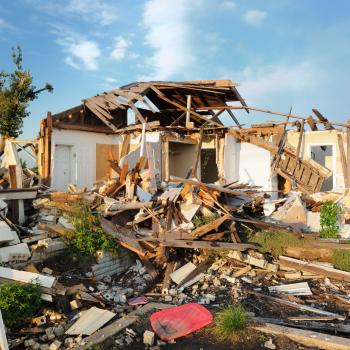
Exploring Cause and Effect Using Expository Texts About Natural Disasters

Students explore the nature and structure of expository texts that focus on cause and effect and apply what they learned using graphic organizers and writing paragraphs to outline cause-and-effect relationships.

A Race With Grace: Sports Poetry in Motion
Grades
3 - 5
|
Lesson Plan
|
Standard Lesson
A Race With Grace: Sports Poetry in Motion
In this lesson, athletics, aesthetics, and poetics intersect in new ways as developing literacy learners experiment together with the forms of language.
Comparing Electronic and Print Texts About the Civil War Soldier
Grades
6 - 8
|
Lesson Plan
|
Standard Lesson
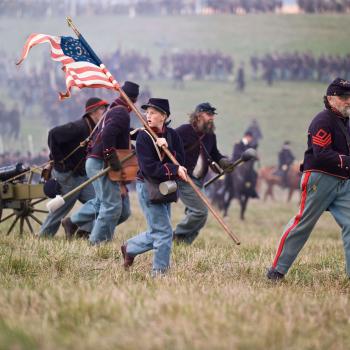
Comparing Electronic and Print Texts About the Civil War Soldier
Which side will win as students investigate both sides of the battle of using print versus online text for research as they learn about the lives of Civil War soldiers?
Postmodern Picture Books in Middle School
Grades
6 - 8
|
Lesson Plan
|
Standard Lesson
Postmodern Picture Books in Middle School
Students analyze the structure of a postmodern picture book, Black and White, to uncover how authors create unexpected plots and connections and form relationships between words and illustrations.

Cosmic Oranges: Observation and Inquiry Through Descriptive Writing and Art
Grades
6 - 8
|
Lesson Plan
|
Standard Lesson
Cosmic Oranges: Observation and Inquiry Through Descriptive Writing and Art
Students will eat up this lesson about oranges as they practice the skills that help them investigate and make detailed observations for descriptive purposes.

Grades
3 - 5
|
Lesson Plan
|
Standard Lesson
Exploring Compare and Contrast Structure in Expository Texts

Students build their understanding of the terms compare and contrast by participating in class discussions, using Internet resources, working collaboratively, and by visually representing information in a Venn diagram.

Pagination

  • First page « First
  • Previous page ‹‹
  • …
  • Page 13
  • Page 14
  • Page 15
  • Page 16
  • Page 17
  • Page 18
  • Page 19
  • Page 20
  • Page 21
  • …
  • Next page ››
  • Last page Last »

Explore Resources by Grade

  • KindergartenK
  • 1-2
  • 3-4
  • 5-6
  • 7-8
  • 9-10
  • 11-12

RWT-logo

Powered By NCTE

Footer 1 Menu

  • About
  • Classroom Resources
  • Professional Development
  • Collections
  • Contact Us

Footer 2 Menu

  • National Council of Teachers of English
  • Contribute to RWT
  • FAQs
  • Join NCTE

Footer 3 Menu

  • Legal Notices
  • Privacy Policy
  • Promotional Materials
  • Site Demonstrations

Want to stay in touch with RWT and NCTE? Sign up here!

  • Facebook
  • Twitter
  • Instagram
  • Pinterest
  • YouTube

© NCTE 2026. All rights reserved