ReadWriteThink - Powered by NCTE
  • About
  • Classroom Resources
    • Lesson Plans
    • Teaching Comics
    • Teaching With Primary Resources
    • Calendar
    • Printouts
    • Student Interactives
  • Collections
    • Assessment
    • Authors
    • Booklists
    • Media Literacy
    • Poetry
    • Primary Sources
    • Writing
  • Professional Development
    • Strategy Guides
    • Professional Library
    • Meetings & Events
  • Join NCTE
  • Contact Us
  • About
  • Classroom Resources
    • Lesson Plans
    • Teaching Comics
    • Teaching With Primary Resources
    • Calendar
    • Printouts
    • Student Interactives
  • Collections
    • Assessment
    • Authors
    • Booklists
    • Media Literacy
    • Poetry
    • Primary Sources
    • Writing
  • Professional Development
    • Strategy Guides
    • Professional Library
    • Meetings & Events
  • Join NCTE
  • Contact Us
  • Facebook
  • Twitter
  • Instagram
  • Pinterest
  • YouTube

Breadcrumb

  1. Home

Type

  • (-) Standard Lesson

Grades

  • 1 (9)
  • 2 (8)
  • 3 (24)
  • 4 (26)
  • 5 (29)
  • 6 (45)
  • 7 (46)
  • 8 (47)
  • 9 (52)
  • 10 (50)
  • 11 (44)
  • 12 (43)
  • K (8)

Learning Objectives

  • (-) multimodal literacy (112)
  • collaboration (249)
  • Comprehension (242)
  • critical thinking (244)
  • digital literacy (71)
  • Grammar (31)
  • inquiry / research (133)
  • listening (72)
  • literary analysis (210)
  • Media literacy (85)
  • metacognition (86)
  • multicultural awareness (37)
  • oral communication (107)
  • phonological awareness (33)
  • print awareness (37)
  • reading fluency (33)
  • reading genres (120)
  • Spelling (30)
  • text structure / story structure (113)
  • Vocabulary (100)
  • writing genres (189)
  • writing process (234)

Topics

  • arts
  • careers
  • community
  • drama
  • ELL
  • Family
  • fiction
  • Mathematics
  • Mobile Learning
  • nonfiction
  • poetry
  • science
  • seasons / holidays
  • social action
  • social studies / history
  • Sports
  • STEM
Animate that Haiku!
Grades
5 - 8
|
Lesson Plan
|
Standard Lesson
Animate that Haiku!
Following the traditional form of the haiku, students publish their own haikus using Animoto, an online web tool to produce slideshows that blend text and music.

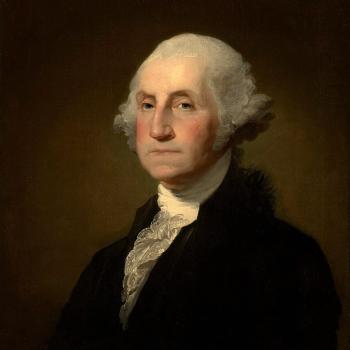
What Did George Post Today?  Learning About People of the American Revolution Through Facebook
Grades
6 - 12
|
Lesson Plan
|
Standard Lesson
What Did George Post Today? Learning About People of the American Revolution Through Facebook
After researching famous people of the American Revolution, students create Facebook-like PowerPoint presentations to share their knowledge with classmates.
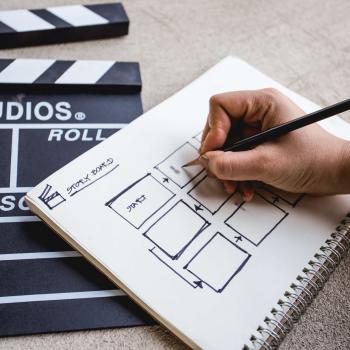
From Text to Film: Exploring Classic Literature Adaptations
Grades
8 - 12
|
Lesson Plan
|
Standard Lesson
From Text to Film: Exploring Classic Literature Adaptations
Students create storyboards to compare and contrast a book and its film adaptation.
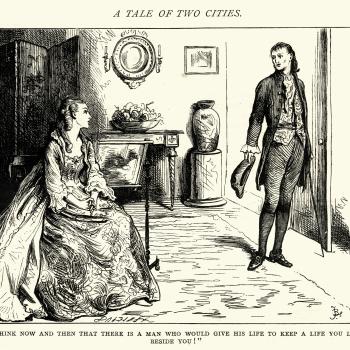
A Tale of a Few Text Messages: A Character Study of <i>A Tale of Two Cities</i>
Grades
9 - 12
|
Lesson Plan
|
Standard Lesson
A Tale of a Few Text Messages: A Character Study of A Tale of Two Cities
Students use A Tale of Two Cities to explore relationships, plot points, character traits, and background by writing text messages between characters within the novel.
Grades
5 - 8
|
Lesson Plan
|
Standard Lesson
Book Report Alternative: Glog That Book!
In this alternative book report, students identify the elements of fiction in books they have read by creating glogs, interactive multimedia posters, and then share their glogs.
Designing Elements of Story in <i>Little Blue and Little Yellow</i>
Grades
K - 5
|
Lesson Plan
|
Standard Lesson
Designing Elements of Story in Little Blue and Little Yellow
In this series of four lessons, students will explore key elements of design in Little Blue and Little Yellow to learn about setting, character relationships, and plot.
Exploring the Power of Language with Six-Word Memoirs
Grades
9 - 12
|
Lesson Plan
|
Standard Lesson
Exploring the Power of Language with Six-Word Memoirs

What do the words we write really have to say about us? In this lesson, students examine the power of word choice as they write six-word memoirs of their lives.

Sí, Se Puede: Making a Difference, One Letter at a Time
Grades
6 - 8
|
Lesson Plan
|
Standard Lesson
Sí, Se Puede: Making a Difference, One Letter at a Time
After reading the book ¡Si, Se Puede!/Yes, We Can!: Janitor Strike in L.A., students learn about labor unions, strikes, and organizing for change. Students interview staff members in their school to learn about their daily work life, and write persuasive advocacy letters.

Boars and Baseball: Making Connections
Grades
4 - 7
|
Lesson Plan
|
Standard Lesson
Boars and Baseball: Making Connections
In this lesson, students will make text-to-self, text-to-text, and text-to-world connections after reading In the Year of the Boar and Jackie Robinson. After sharing and discussing connections, students choose and plan a project that makes a personal connection to the text.
Analyzing the Rhetoric of Corporate Logos across Time
Grades
9 - 12
|
Lesson Plan
|
Standard Lesson
Analyzing the Rhetoric of Corporate Logos across Time
Students think critically about how design elements in logos work together to tell a changing story about a company or product in this visual rhetoric lesson.
"Roused by the Change of Scene": Analyzing a Film Adaptation of <i>Jane Eyre</i>
Grades
9 - 12
|
Lesson Plan
|
Standard Lesson
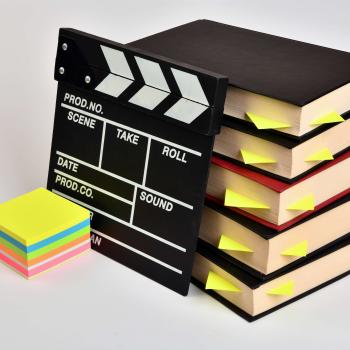
"Roused by the Change of Scene": Analyzing a Film Adaptation of Jane Eyre
As part of their study of Charlotte Brontë's Jane Eyre, students read selected sections of the novel closely and compare their representation in the text to representations in the 2007 Masterpiece adaptation of Jane Eyre. They use the concepts of time/pacing, character, and theme to focus their analysis and to plan an adaptation of a scene of their choice.

Sharing Information about Careers with Infographics
Grades
6 - 9
|
Lesson Plan
|
Standard Lesson
Sharing Information about Careers with Infographics
Students research careers of their own choosing. Then using Piktochart, students create their own infographics to illustrate their research.
Captioning the Civil Rights Movement: Reading the Images, Writing the Words
Grades
2 - 8
|
Lesson Plan
|
Standard Lesson
Captioning the Civil Rights Movement: Reading the Images, Writing the Words
Teachers guide students to carefully view images from the Civil Rights Movement and write captions that accurately describe the images and/or their probable purposes.

"Three Stones Back": Using Informational Text to Enhance Understanding of <i>Ball Don't Lie</i>
Grades
8 - 11
|
Lesson Plan
|
Standard Lesson
"Three Stones Back": Using Informational Text to Enhance Understanding of Ball Don't Lie
Students engage in a close reading of a passage from Matt de la Pena's novel Ball Don't Lie before researching important background information to assess the accuracy of the claims made by a character.
A Picture IS Worth a Thousand Words: Using Infographics to Illustrate How-to Writing
Grades
7 - 10
|
Lesson Plan
|
Standard Lesson
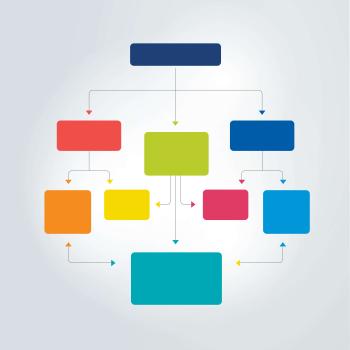
A Picture IS Worth a Thousand Words: Using Infographics to Illustrate How-to Writing
Students write step-by-step instructions on topics of their own choosing. Then using Piktochart, students create their own infographics to illustrate their instructions.
Picture This: Combining Infographics and Argumentative Writing
Grades
7 - 10
|
Lesson Plan
|
Standard Lesson
Picture This: Combining Infographics and Argumentative Writing
After researching topics that the students have chosen, students write argumentative essays. Then, using Piktochart, students create their own infographics to illustrate their research.

Picture This: Using Instagram to Report
Grades
4 - 8
|
Lesson Plan
|
Standard Lesson
Picture This: Using Instagram to Report
After taking a field trip that students document using mobile app Instagram, students become new reporters as they use the interactive Printing Press to tell about their experiences.

Making the Cut: Revising Memoirs by Detecting Clutter and Confusion
Grades
6 - 10
|
Lesson Plan
|
Standard Lesson
Making the Cut: Revising Memoirs by Detecting Clutter and Confusion
Students improve a slide show by removing pictures. Their reasons for cutting pictures are translated into revision guidelines for cutting unnecessary words and sections from their rough drafts.
Book Report Alternative: Character and Author Business Cards
Grades
6 - 8
|
Lesson Plan
|
Standard Lesson
Book Report Alternative: Character and Author Business Cards
Students respond to a book they have read by thinking symbolically to create a business card for one of the characters.
Powerful Writing: Description in Creating Monster Trading Cards
Grades
3 - 5
|
Lesson Plan
|
Standard Lesson
Powerful Writing: Description in Creating Monster Trading Cards
Students create their own monster trading cards using "powerful," vivid language to describe their creatures.

Pagination

  • First page « First
  • Previous page ‹‹
  • Page 1
  • Page 2
  • Page 3
  • Page 4
  • Page 5
  • Page 6
  • Next page ››
  • Last page Last »

Explore Resources by Grade

  • KindergartenK
  • 1-2
  • 3-4
  • 5-6
  • 7-8
  • 9-10
  • 11-12

RWT-logo

Powered By NCTE

Footer 1 Menu

  • About
  • Classroom Resources
  • Professional Development
  • Collections
  • Contact Us

Footer 2 Menu

  • National Council of Teachers of English
  • Contribute to RWT
  • FAQs
  • Join NCTE

Footer 3 Menu

  • Legal Notices
  • Privacy Policy
  • Promotional Materials
  • Site Demonstrations

Want to stay in touch with RWT and NCTE? Sign up here!

  • Facebook
  • Twitter
  • Instagram
  • Pinterest
  • YouTube

© NCTE 2026. All rights reserved