ReadWriteThink - Powered by NCTE
  • About
  • Classroom Resources
    • Lesson Plans
    • Teaching Comics
    • Teaching With Primary Resources
    • Calendar
    • Printouts
    • Student Interactives
  • Collections
    • Assessment
    • Authors
    • Booklists
    • Media Literacy
    • Poetry
    • Primary Sources
    • Writing
  • Professional Development
    • Strategy Guides
    • Professional Library
    • Meetings & Events
  • Join NCTE
  • Contact Us
  • About
  • Classroom Resources
    • Lesson Plans
    • Teaching Comics
    • Teaching With Primary Resources
    • Calendar
    • Printouts
    • Student Interactives
  • Collections
    • Assessment
    • Authors
    • Booklists
    • Media Literacy
    • Poetry
    • Primary Sources
    • Writing
  • Professional Development
    • Strategy Guides
    • Professional Library
    • Meetings & Events
  • Join NCTE
  • Contact Us
  • Facebook
  • Twitter
  • Instagram
  • Pinterest
  • YouTube

Breadcrumb

  1. Home

Type

  • Classroom Resources
  • Professional Development

Grades

  • 1 (15)
  • 2 (15)
  • 3 (19)
  • 4 (19)
  • 5 (21)
  • 6 (24)
  • 7 (25)
  • 8 (25)
  • 9 (21)
  • 10 (21)
  • 11 (19)
  • 12 (19)
  • K (14)

Learning Objectives

  • (-) text structure / story structure (51)
  • collaboration (111)
  • Comprehension (98)
  • critical thinking (178)
  • digital literacy (47)
  • Grammar (6)
  • inquiry / research (138)
  • listening (56)
  • literary analysis (37)
  • metacognition (89)
  • multicultural awareness (34)
  • multimodal literacy (64)
  • oral communication (79)
  • phonological awareness (3)
  • print awareness (23)
  • reading fluency (11)
  • reading genres (56)
  • Spelling (7)
  • Vocabulary (46)
  • writing genres (78)
  • writing process (77)

Topics

  • (-) community
  • (-) science
  • arts
  • careers
  • drama
  • ELL
  • Family
  • fiction
  • Mathematics
  • Mobile Learning
  • nonfiction
  • poetry
  • seasons / holidays
  • social action
  • social studies / history
  • Sports
  • STEM
Songs of Our Lives: Using Lyrics to Write Stories
Grades
5 - 10
|
Lesson Plan
|
Standard Lesson
Songs of Our Lives: Using Lyrics to Write Stories
Students learn about the life and music of John Lennon, write a short story from their lives integrating lyrics from some of their favorite songs, and create a class book of stories.

Our Community: Creating ABC Books as Assessment
Grades
K - 2
|
Lesson Plan
|
Standard Lesson
Our Community: Creating ABC Books as Assessment
Students create alphabet books, which are used as an integrated assessment with science, health, social studies, and any other content area. This lesson plans looks at the theme of community.
Grades
9 - 12
|
Lesson Plan
|
Standard Lesson
Making Connections to Myth and Folktale: The Many Ways to Rainy Mountain

Following the model of N. Scott Momaday's The Way To Rainy Mountain, students write three-voice narratives based on Kiowa folktales, an interview with an Elder, and personal connections to theme.

Grades
6 - 12
|
Life's Journeys: Help Along the Way

Tap into teen and preteen readers' interest in adolescent-mentor relationships with these recommendations!
Using the RAFT Writing Strategy
Grades
Grades
5 - 12
|
Strategy Guide
Using the RAFT Writing Strategy
This strategy guide introduces the RAFT technique and offers practical ideas for using this technique to teach students to experiment with various perspectives in their writing.

6 - 12

The Major Impact of Minor Characters in the Lives of Immigrant Heroes

Teaching Comics
9 - 12

Picture an American

Teaching Comics
9 - 12

Dear Great Immigrant, Dear Great American Comic Letter

Teaching Comics
Grades
K - 2
|
Lesson Plan
|
Standard Lesson
Four Simple Steps to Small-Group Guided Writing
Students will go batty about the three writing strategies they learn in this lesson centered on Nicola Davies' Bat Loves the Night.
Cultural Connections and Writing for Change
Grades
3 - 5
|
Lesson Plan
|
Standard Lesson
Cultural Connections and Writing for Change

A little understanding can go a long way. After learning about difficulties that Palestinian youths face, students will write a letter to an official discussing these issues.

Earth Verse: Using Science in Poetry
Grades
3 - 5
|
Lesson Plan
|
Standard Lesson
Earth Verse: Using Science in Poetry

Students shape up their reading, writing, and listening skills in this lesson by creating original diamante, acrostic, and shape poems about science.

Critical Literacy in Action: Multimodal Texts on Global Warming
Grades
6 - 8
|
Lesson Plan
|
Standard Lesson
Critical Literacy in Action: Multimodal Texts on Global Warming
Students will really warm up to this lesson about global warming as they study multimedia materials and use a variety of comprehension strategies.
Grades
6 - 8
|
Lesson Plan
|
Standard Lesson
Persuading the Principal: Writing Persuasive Letters About School Issues
Students learn that you don't have to raise your voice to raise a point. Writing a persuasive letter to your principal is a great way to get your opinions heard.
Grades
K - 2
|
Lesson Plan
|
Standard Lesson
Fact or Fiction: Learning About Worms Using Diary of a Worm
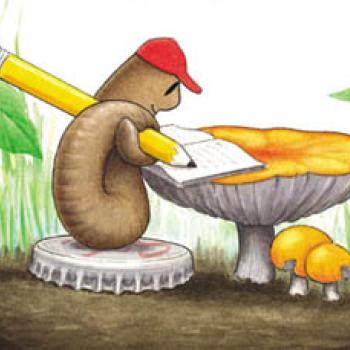
Students often believe that fiction writers make everything up, seldom realizing how research worms its way into entertaining writing. In this lesson, students read Diary of a Worm to find out how fact merges with fiction.
Using Science Texts to Teach the Organizational Features of Nonfiction
Grades
3 - 5
|
Lesson Plan
|
Standard Lesson
Using Science Texts to Teach the Organizational Features of Nonfiction

Students explore organizational features of nonfiction science. Students then work together to create a two-page spread using those features to present information about their local environment.

Engineering the Perfect Poem by Using the Vocabulary of STEM
Grades
7 - 10
|
Lesson Plan
|
Standard Lesson
Engineering the Perfect Poem by Using the Vocabulary of STEM

Students research engineering careers and create poetry to understand the vocabulary of STEM (science, technology, engineering, and mathematics).
Reading Through Different Lenses: Making Text Connections Across the Curriculum
Grades
6 - 8
|
Lesson Plan
Reading Through Different Lenses: Making Text Connections Across the Curriculum
Students learn to comprehend the linguistic text styles of different content areas and use the interactive ReadWriteThink Notetaker tool as the teacher models the exercise.

Using Word Storms to Explore Vocabulary and Encourage Critical Thinking
Grades
3 - 5
|
Lesson Plan
|
Recurring Lesson
Using Word Storms to Explore Vocabulary and Encourage Critical Thinking
Students learn that dogs are more than just pets in this lesson, which teaches them to use research and vocabulary-acquisition strategies to learn and write about working dogs.
Grades
6 - 8
|
Lesson Plan
|
Unit
Exploring and Sharing Family Stories
Writing gets personal when students interview family members in order to write a personal narrative about that person.

And the Question Is... Evaluating the Validity of a Survey
Grades
9 - 12
|
Lesson Plan
|
Standard Lesson
And the Question Is... Evaluating the Validity of a Survey
In this lesson, students learn to ask the right questions about the validity of surveys.

Pagination

  • Page 1
  • Page 2
  • Page 3
  • Next page ››
  • Last page Last »

Explore Resources by Grade

  • KindergartenK
  • 1-2
  • 3-4
  • 5-6
  • 7-8
  • 9-10
  • 11-12

RWT-logo

Powered By NCTE

Footer 1 Menu

  • About
  • Classroom Resources
  • Professional Development
  • Collections
  • Contact Us

Footer 2 Menu

  • National Council of Teachers of English
  • Contribute to RWT
  • FAQs
  • Join NCTE

Footer 3 Menu

  • Legal Notices
  • Privacy Policy
  • Promotional Materials
  • Site Demonstrations

Want to stay in touch with RWT and NCTE? Sign up here!

  • Facebook
  • Twitter
  • Instagram
  • Pinterest
  • YouTube

© NCTE 2026. All rights reserved