Students are often asked to perform speeches, but rarely do we require students to analyze speeches as carefully as we study works of literature. In this unit, students are required to identify the rhetorical strategies in a famous speech and the specific purpose for each chosen device. They will write an essay about its effectiveness and why it is still famous after all these years.

Analyzing Famous Speeches as Arguments

Language and Power in The Handmaid's Tale and the World
Students work in small groups to examine Margaret Atwood's use of and observations about language in The Handmaid's Tale. Through this activity, students discover and articulate overarching thematic trends in the book and then can extend their observations about official or political language to examples from their own world.

Persuading the Principal: Writing Persuasive Letters About School Issues
Students learn that you don't have to raise your voice to raise a point. Writing a persuasive letter to your principal is a great way to get your opinions heard.

A Bad Case of Bullying: Using Literature Response Groups
Students learn how to effectively deal with bullying by participating in literature response groups and writing about when they experienced a similar situation or emotion as a fictional character.
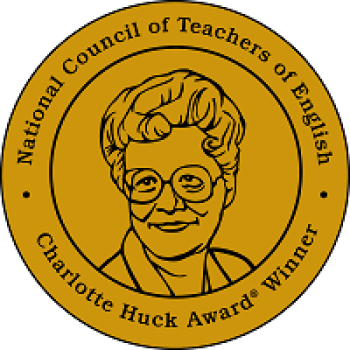
The Charlotte Huck Award for Outstanding Fiction for Children is announced today.
Students read and discuss an award-winning book before writing their own story that demonstrates compassion.

Celebrate National Library Week!
Students learn more about libraries as part of National Library Week.