Students rework their forgotten/abandoned drafts by cutting and covering up selected words. By creatively manipulating text, they explore portal writing, a strategy for envisioning a new story or story direction.
Cut up, Cover up, and Come Away with Ideas for Writing!

Creative Writing in the Natural World: A Framing
Students practice writing detailed, sensory-rich descriptions by framing a small piece of nature and freewriting about it. From this minilesson, students can develop a variety of types of writing.
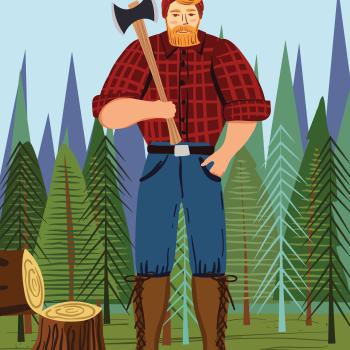
American Folklore: A Jigsaw Character Study
Groups of students read and discuss American folklore stories, each group reading a different story. Using a jigsaw strategy, the groups compare character traits and main plot points of the stories. A diverse selection of American folk tales is used for this lesson, which is adaptable to any text set.

Blurring Genre: Exploring Fiction and Nonfiction with Diary of a Worm
After reading several examples of how a published author incorporates facts in fiction writing, students research a topic of their choice and write fictional diary entries that incorporate factual information.

Supporting Vocabulary Development with EASE
This lesson allows teachers to enrich students' oral and written vocabulary using the EASE sequence of instruction: Enunciate, Associate, Synthesize, and Emphasize the words you want students to use.
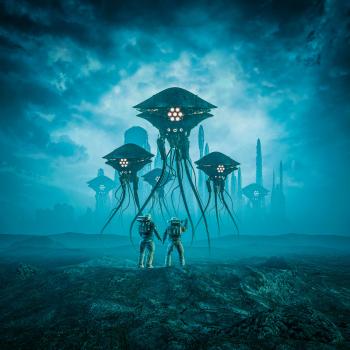
Finding the Science Behind Science Fiction through Paired Readings
Students read science fiction texts and then use nonfiction texts to extrapolate the scientific principles presented as they discuss the "what ifs" within the context of scientific principles.
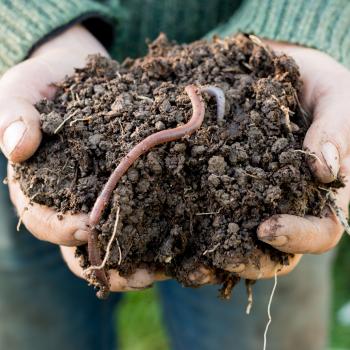
Digging Up Details on Worms: Using the Language of Science in an Inquiry Study
This lesson, in which students research worms in order to create a classroom habitat, incorporates reading and writing across content areas as well as math and science activities.

How Does My Garden Grow? Writing in Science Field Journals
Students plant a garden and study its growth using the inquiry process of questioning and exploring. As they research and study, students record their observations in a field journal.

Literature as a Jumping Off Point for Nonfiction Inquiry
Students use text sets to research a topic inspired by a fiction book they have read. A text set is a collection of multiple text genres with a single focus.

As Slippery as an Eel: An Ocean Unit Exploring Simile and Metaphor
Students play with simile and metaphor as they study the ocean and use figurative language to write a class book about it.
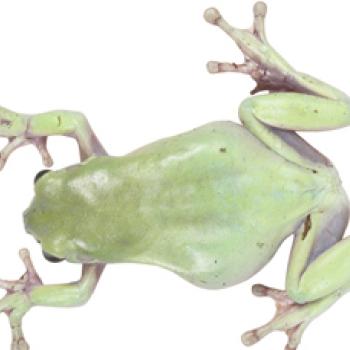
Bridging Literature and Mathematics by Visualizing Mathematical Concepts
During interactive read-aloud sessions, students identify how an author conveys mathematical information about animals' sizes and abilities. They then conduct research projects focusing on the same mathematical concepts.
Weather Detectives: Questioning the Fact and Folklore of Weather Sayings
Students adopt a skeptical stance and become weather detectives who ask "Why?" and "Why not?" as they investigate the history and validity of some common weather sayings.

Creating Question and Answer Books through Guided Research
This series of activities is designed to teach research strategies. Students use KWL charts to guide their inquiry and publish their results in a collaborative question and answer book.

Paying Attention to Technology: Exploring a Fictional Technology
Students complete a short survey to establish their beliefs about technology. They compare their opinions to the ideas in a novel that depicts technology (such as 1984 or Fahrenheit 451).

Authentic Writing Experiences and Math Problem-Solving Using Shopping Lists
Students use their emerging writing skills to write shopping lists. They work within a budget, use problem-solving skills to create lists, and buy their favorite treats at the class store.

Animal Study: From Fiction to Facts
Students listen to fiction and nonfiction read-alouds and explore selected Websites to identify factual information about animals. This lesson focuses on ants, but can be adapted to any animal.

Note Writing in the Primary Classroom
This lesson provides a wealth of ideas for using notes in the classroom to promote authentic writing among children.
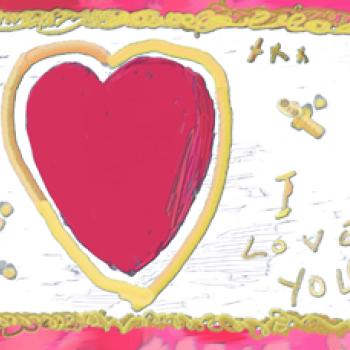
Writing Poetry with Rebus and Rhyme
This lesson encourages students to use rhyming words to write rebus poetry modeled on rebus books, which substitute pictures for the words that young students cannot yet identify or decode.

Webcams in the Classroom: Animal Inquiry and Observation
Students observe animals using one of the many webcams broadcasting from zoos and aquariums around the United States and the world, with a focus on observation, discussion, questioning, and research.

Teaching the Epic through Ghost Stories
In this lesson, students connect to the oral tradition of epic storytellers by sharing their own oral tales of ghosts and goblins and monsters.