Featuring descriptions and activities for fifty exceptional titles, Mary Jo Fresch and Peggy Harkins offer a wealth of ideas for harnessing the power of picture books to improve reading and writing in the content areas.
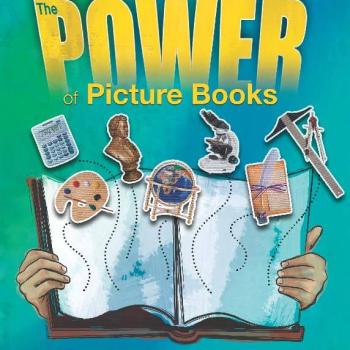
Power of Picture Books, The: Using Content Area Literature in Middle School
Reading Shakespeare with Young Adults
Dakin explores different methods for getting students engaged--and excited--about Shakespeare's plays as they learn to construct meaning from the texts' sixteenth-century language and connect it to their twenty-first-century lives.
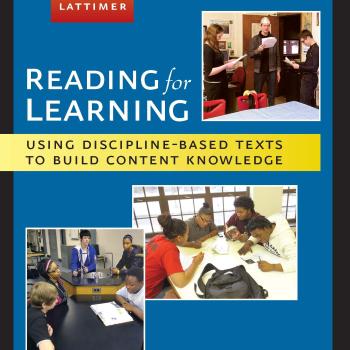
Reading for Learning: Using Discipline-Based Texts to Build Content Knowledge
Heather Lattimer provides practical, classroom-tested approaches to helping students access and critically respond to content-based texts.
Teaching YA Lit through Differentiated Instruction
Authors Susan L. Groenke and Lisa Scherff offer suggestions for incorporating YA lit into the high school curriculum.
Technology That Powers Up Learning
By designing lessons to activate prior knowledge and linking these activities to reading and writing, teachers found that students were more engaged, that they learned more material more quickly, and that they more willingly incorporated reading into their lives.

Tim O'Brien in the Classroom: "This too is true: Stories can save us"
As part of the NCTE High School Literature Series, Tim O'Brien in the Classroom focuses on opportunities for classroom discussion and writing assignments, including lessons, open-ended prompts, and student writing samples.
A Failure of the Imagination
This article discusses the imaginative activities and assignments that teachers often assign that violate the text around which the lesson is focused and that mislead students about its meaning.
Finding the Thread: Character, Setting, and Theme
An annotated bibliography of books that exemplify the plot elements, character, setting, and theme. Includes guidelines on how to do a book talk.

Making Connections
In this strategy guide, you'll learn to model how students can make three different kinds of connections (text-to-text, text-to-self, text-to-world). Students then use this knowledge to find their own personal connections to a text.

Brainstorming and Reviewing Using the Carousel Strategy
This strategy guide introduces Carousel Brainstorming, also known as Rotating Review, and offers suggestions to implement this technique in your classroom for brainstorming about new topics or reviewing learned information.

Using the Think-Pair-Share Technique
In this strategy guide, you will learn how to organize students and classroom topics to encourage a high degree of classroom participation and assist students in developing a conceptual understanding of a topic through the use of the Think-Pair-Share technique.

Using the RAFT Writing Strategy
This strategy guide introduces the RAFT technique and offers practical ideas for using this technique to teach students to experiment with various perspectives in their writing.

Socratic Seminars
This strategy guide explains Socratic seminars and offers practical methods for applying the approach in your classroom to help students investigate multiple perspectives in a text.

Using the Jigsaw Cooperative Learning Technique
In this strategy guide, you will learn how to organize students and texts to allow for learning that meets the diverse needs of students but keeps student groups flexible.

Supporting Student Comprehension in Content Area Reading
In this strategy guide, you'll learn a few simple, yet powerful, techniques to encourage students to use peer talk and writing to enhance their understanding of content area texts.

Preparing Students for Success with Reading in the Content Areas
In this strategy guide, you'll learn how to determine the level and type of support you need to provide students based on careful preparation as a content area expert.

Reading with Purpose in the Content Areas
In this strategy guide, you'll learn how to organize students and instruction to establish a sense of purpose for reading authentic texts in the content areas.

Supporting Comprehension Strategies for English Language Learners
This Strategy Guide is for developing comprehension that incorporates the gradual release of responsibility model.

Supporting Vocabulary Acquisition for English Language Learners
This Strategy Guide introduces strategies teachers can use for ELL vocabulary instruction in their English and content area classrooms.

Assessing Student Interests and Strengths
In this Strategy Guide, you'll learn about a number of specific methods that can help you to gain a fuller picture of the interests of your students as well as what your students understand, know, and can demonstrate by doing.