ReadWriteThink - Powered by NCTE
  • About
  • Classroom Resources
    • Lesson Plans
    • Teaching Comics
    • Teaching With Primary Resources
    • Calendar
    • Printouts
    • Student Interactives
  • Collections
    • Assessment
    • Authors
    • Booklists
    • Media Literacy
    • Poetry
    • Primary Sources
    • Writing
  • Professional Development
    • Strategy Guides
    • Professional Library
    • Meetings & Events
  • Join NCTE
  • Contact Us
  • About
  • Classroom Resources
    • Lesson Plans
    • Teaching Comics
    • Teaching With Primary Resources
    • Calendar
    • Printouts
    • Student Interactives
  • Collections
    • Assessment
    • Authors
    • Booklists
    • Media Literacy
    • Poetry
    • Primary Sources
    • Writing
  • Professional Development
    • Strategy Guides
    • Professional Library
    • Meetings & Events
  • Join NCTE
  • Contact Us
  • Facebook
  • Twitter
  • Instagram
  • Pinterest
  • YouTube

Breadcrumb

  1. Home

Type

  • (-) Minilesson

Grades

  • 1 (4)
  • 2 (7)
  • 3 (6)
  • 4 (5)
  • 5 (5)
  • 6 (2)
  • 7 (1)
  • 8 (1)
  • 9 (2)
  • 10 (2)
  • 11 (2)
  • 12 (2)
  • K (4)

Learning Objectives

  • collaboration (4)
  • Comprehension (7)
  • critical thinking (4)
  • digital literacy (3)
  • Grammar (1)
  • inquiry / research (1)
  • listening (4)
  • literary analysis (2)
  • Media literacy (2)
  • metacognition (1)
  • multicultural awareness (2)
  • multimodal literacy (1)
  • oral communication (3)
  • phonological awareness (2)
  • reading genres (1)
  • Spelling (1)
  • text structure / story structure (1)
  • Vocabulary (5)
  • writing process (4)

Topics

  • (-) fiction
  • (-) Mobile Learning
  • arts
  • careers
  • community
  • drama
  • ELL
  • Family
  • Mathematics
  • nonfiction
  • poetry
  • science
  • seasons / holidays
  • social studies / history
  • STEM
Decoding the Dystopian Characteristics of Macintosh's "1984" Commercial
Grades
9 - 12
|
Lesson Plan
|
Minilesson
Decoding the Dystopian Characteristics of Macintosh's "1984" Commercial
This lesson uses the "1984" Macintosh Commercial to introduce students to dystopian characteristics. Students analyze techniques used in the commercial and identify the comments that it makes about contemporary society.
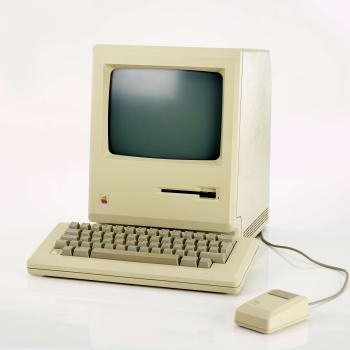
How Big Are <em>Martin's Big Words</em>? Thinking Big about the Future
Grades
3 - 5
|
Lesson Plan
|
Minilesson
How Big Are Martin's Big Words? Thinking Big about the Future

Inspired by the book Martin's Big Words, students explore information on Dr. King to think about his "big" words, then they write about their own "big" words and dreams.
It Doesn't Have to End That Way: Using Prediction Strategies with Literature
Grades
K - 2
|
Lesson Plan
|
Minilesson
It Doesn't Have to End That Way: Using Prediction Strategies with Literature
After listening to the beginning of a story, students use details in the text, personal experience, and prior knowledge to predict the way the story will end.

Let's Build a Snowman
Grades
K - 2
|
Lesson Plan
|
Minilesson
Let's Build a Snowman
In this lesson, students use both fiction and nonfiction texts, the Internet, and a K-W-L chart to learn about how animals survive the winter.

Identifying and Classifying Verbs in Context
Grades
3 - 5
|
Lesson Plan
|
Minilesson
Identifying and Classifying Verbs in Context
The interactive read-aloud in this lesson helps students to identify and classify the three verb types—action, state-of-being or linking, and helping verbs.
Phonics In Context
Grades
K - 2
|
Lesson Plan
|
Minilesson
Phonics In Context
Use an engaging, authentic text to build students' knowledge of phonic elements and give them a taste of Japanese culture.

Show What You Know: Read, Write and Solve Math Problems
Grades
2 - 3
|
Lesson Plan
|
Minilesson
Show What You Know: Read, Write and Solve Math Problems
Informational texts, iPads, and interactive games, oh, my! Help students journey through multimodal texts to identify and solve real-world mathematics problems using writing and apps.

Bringing Economic Vocabulary to Life Through Video Posters
Grades
2 - 5
|
Lesson Plan
|
Minilesson
Bringing Economic Vocabulary to Life Through Video Posters
Imagine if vocabulary could come alive with the click of a button! Students create video posters to demonstrate knowledge of new economics vocabulary.

Digital Word Detectives: Building Vocabulary With e-Book Readers
Grades
2 - 6
|
Lesson Plan
|
Minilesson
Digital Word Detectives: Building Vocabulary With e-Book Readers
Students in grades 2-6 use digital dictionaries and other e-book tools to learn new vocabulary as they read e-books on digital reading devices.

Creating a Feast for the Senses With Mentor Texts
Grades
3 - 6
|
Lesson Plan
|
Minilesson
Creating a Feast for the Senses With Mentor Texts
This lesson teaches intermediate students to "use the experts" to learn how to revise to create sharp, sensory-rich experiences for their readers.
Playlist for Holden: Character Analysis With Music and Lyrics
Grades
7 - 12
|
Lesson Plan
|
Minilesson
Playlist for Holden: Character Analysis With Music and Lyrics
Students compile a playlist of 10 songs representing a literary character and explain their choices based on the book's dialogue, plot, conflict, and resolution.

Using Folk Tales: Vowel Influences on the Letter <em>G</em>
Grades
K - 2
|
Lesson Plan
|
Minilesson
Using Folk Tales: Vowel Influences on the Letter G
Gentle, gigantic, graceful—do these g words describe the giant in Jack and the Beanstalk? Students will explore the hard and soft g sounds by studying fairy tales and animals.

Explore Resources by Grade

  • KindergartenK
  • 1-2
  • 3-4
  • 5-6
  • 7-8
  • 9-10
  • 11-12

RWT-logo

Powered By NCTE

Footer 1 Menu

  • About
  • Classroom Resources
  • Professional Development
  • Collections
  • Contact Us

Footer 2 Menu

  • National Council of Teachers of English
  • Contribute to RWT
  • FAQs
  • Join NCTE

Footer 3 Menu

  • Legal Notices
  • Privacy Policy
  • Promotional Materials
  • Site Demonstrations

Want to stay in touch with RWT and NCTE? Sign up here!

  • Facebook
  • Twitter
  • Instagram
  • Pinterest
  • YouTube

© NCTE 2026. All rights reserved