After exploring The Odyssey and a contemporary epic, students choose paired characters from the texts, complete a graphic organizer, and place their characters in hypothetical contemporary situations.
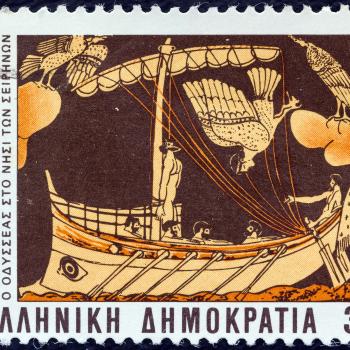
Weaving the Old into the New: Pairing The Odyssey with Contemporary Works

Many Years Later: Responding to Gwendolyn Brooks' "We Real Cool"
Students analyze the Gwendolyn Brooks' poem "We Real Cool" and then write about how the character's pool hall days might influence who the character becomes fifty years in the future.
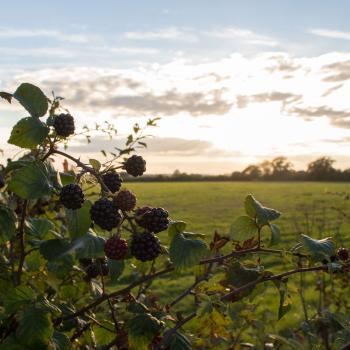
Thinking Inductively: A Close Reading of Seamus Heaney's "Blackberry Picking"
This lesson eases students' fear of interpreting complex poetry by teaching them a strategy with which they determine patterns of imagery, diction, and figurative language in order to unlock meaning.

Theme Poems: Using the Five Senses
Students write theme poems in a flash using the picture book Flicker Flash by Joan Bransfield Graham and the online, interactive Theme Poems tool.
Crossing Boundaries Through Bilingual, Spoken-Word Poetry
Students explore the idea of "crossing boundaries" through bilingual, spoken-word poetry, culminating in a poetry slam at school or in the community.

Latino Poetry Blog: Blogging as a Forum for Open Discussion
In this lesson, students use blogs to hold discussions about the effect of the factors of culture, history, and environment on Latino poetry.

Sort, Hunt, Write: A Weekly Spelling Program
It's easy to make spelling fun. Using a variety of activities from sorting to using words in context will help deepen students' understanding of word patterns.

I've Got the Literacy Blues
Students will be singing the blues in this lesson in which they identify themes from "The Gift of the Magi" and write and present blues poetry based on those themes.

Using the Four-Square Strategy to Define and Identify Poetic Terms
How do poets play with language? Students will explore some answers to this question as they search through poems for examples of alliteration, assonance, simile, and rhyme.
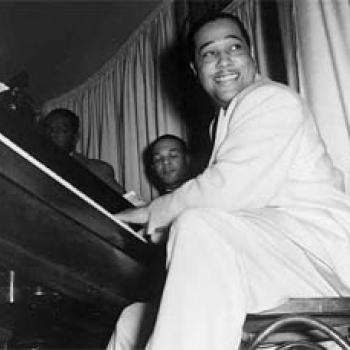
A Harlem Renaissance Retrospective: Connecting Art, Music, Dance, and Poetry
Students research, evaluate, and synthesize information about the Harlem Renaissance from varied resources, create an exhibit, and highlight connections across disciplines (i.e., art, music, and poetry) using a Venn diagram.
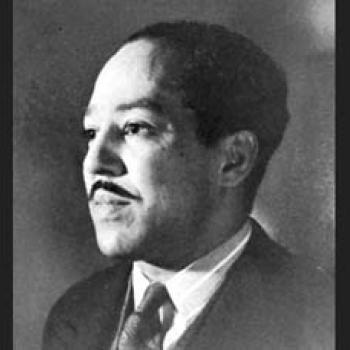
Discovering a Passion for Poetry With Langston Hughes
Through a study of Langston Hughes' poetry, students connect his writing to his place in history.
Wartime Poetry: Working With Similes
Students analyze a photograph, brainstorm words to describe the characters' senses and feelings, work in pairs to describe a character's experience, and create a poem using their ideas and similes.
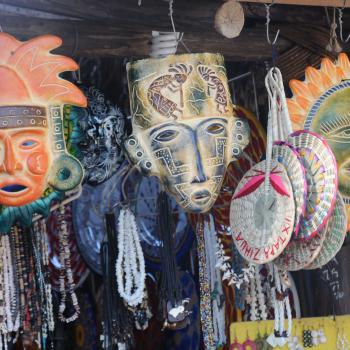
Behind the Masks: Exploring Culture Through Art and Poetry
Students research mask-making from various cultures, highlight the masks' connections to cultural practices, compose poetry to reveal their understanding, analyze their own culture, and create personal masks and poetry.

Poetry Plus! Creating 21st Century Poems with Web Tools
This lesson encourages students to immerse themselves in poetry as they share their original poems orally and digitally with published poets and peers nationwide.

Create a Great Future: STEM Career Research Using Close Reading
What if students could see the relevance of their school curriculum to real-world, interesting, STEM-related careers? Let's help them create a great future!

Engineering the Perfect Poem by Using the Vocabulary of STEM
Students research engineering careers and create poetry to understand the vocabulary of STEM (science, technology, engineering, and mathematics).

What is Poetry? Contrasting Poetry and Prose
Students often find poetry frustrating and meaningless. By helping students think critically about the differences between poetry and prose, this introduction sets the stage for different strategies for comprehending poetic texts.

Lonely as a Cloud: Using Poetry to Understand Similes
Students identify similes in poetry and gain experience in using similes as a poetic device in their own work.
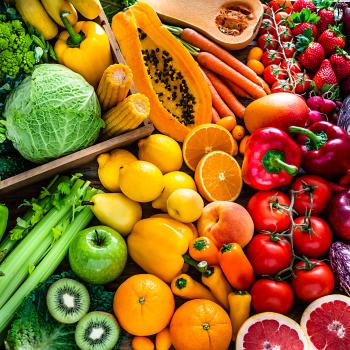
Delicious, Tasty, Yummy: Enriching Writing with Adjectives and Synonyms
Students thoroughly explore identifying synonyms and adjectives before using them to add variety and interest to their own writing.
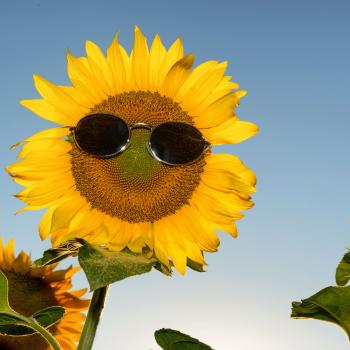
Dancing Minds and Shouting Smiles: Teaching Personification Through Poetry
Students learn about personification by reading and discussing poems and then brainstorm nouns and verbs to create personification in their own poems.