ReadWriteThink - Powered by NCTE
  • About
  • Classroom Resources
    • Lesson Plans
    • Teaching Comics
    • Teaching With Primary Resources
    • Calendar
    • Printouts
    • Student Interactives
  • Collections
    • Assessment
    • Authors
    • Booklists
    • Media Literacy
    • Poetry
    • Primary Sources
    • Writing
  • Professional Development
    • Strategy Guides
    • Professional Library
    • Meetings & Events
  • Join NCTE
  • Contact Us
  • About
  • Classroom Resources
    • Lesson Plans
    • Teaching Comics
    • Teaching With Primary Resources
    • Calendar
    • Printouts
    • Student Interactives
  • Collections
    • Assessment
    • Authors
    • Booklists
    • Media Literacy
    • Poetry
    • Primary Sources
    • Writing
  • Professional Development
    • Strategy Guides
    • Professional Library
    • Meetings & Events
  • Join NCTE
  • Contact Us
  • Facebook
  • Twitter
  • Instagram
  • Pinterest
  • YouTube

Breadcrumb

  1. Home

Type

  • Classroom Resources
  • Professional Development

Grades

  • 1 (53)
  • 2 (59)
  • 3 (110)
  • 4 (113)
  • 5 (131)
  • 6 (161)
  • 7 (165)
  • 8 (176)
  • 9 (169)
  • 10 (167)
  • 11 (161)
  • 12 (160)
  • K (47)

Learning Objectives

  • collaboration (109)
  • Comprehension (142)
  • critical thinking (176)
  • digital literacy (41)
  • Grammar (5)
  • inquiry / research (133)
  • listening (38)
  • literary analysis (63)
  • Media literacy (47)
  • metacognition (88)
  • multicultural awareness (37)
  • multimodal literacy (63)
  • oral communication (58)
  • phonological awareness (2)
  • print awareness (34)
  • reading fluency (11)
  • reading genres (93)
  • Spelling (6)
  • text structure / story structure (66)
  • Vocabulary (50)
  • writing genres (98)
  • writing process (96)

Topics

  • (-) Mathematics
  • (-) nonfiction
  • arts
  • careers
  • community
  • drama
  • ELL
  • Family
  • fiction
  • Mobile Learning
  • poetry
  • science
  • seasons / holidays
  • social action
  • social studies / history
  • Sports
  • STEM
A Picture IS Worth a Thousand Words: Using Infographics to Illustrate How-to Writing
Grades
7 - 10
|
Lesson Plan
|
Standard Lesson
A Picture IS Worth a Thousand Words: Using Infographics to Illustrate How-to Writing
Students write step-by-step instructions on topics of their own choosing. Then using Piktochart, students create their own infographics to illustrate their instructions.
Picture This: Combining Infographics and Argumentative Writing
Grades
7 - 10
|
Lesson Plan
|
Standard Lesson
Picture This: Combining Infographics and Argumentative Writing
After researching topics that the students have chosen, students write argumentative essays. Then, using Piktochart, students create their own infographics to illustrate their research.

For Argument's Sake: Playing "Devil's Advocate" with Nonfiction Texts
Grades
9 - 12
|
Lesson Plan
|
Standard Lesson
For Argument's Sake: Playing "Devil's Advocate" with Nonfiction Texts
Students learn how to play "devil's advocate" by evaluating sports reforms, reading an engaging non-fiction article, and participating in a town hall meeting in which they represent the interests of various stakeholders to generate debate and develop critical thinking skills.
From Quantitative to Qualitative: Writing Descriptions of Data From Tables
Grades
9 - 12
|
Lesson Plan
|
Standard Lesson
From Quantitative to Qualitative: Writing Descriptions of Data From Tables
Students develop quantitative reasoning and critical thinking by analyzing descriptions tables for content, language, and organization with a particular focus on verb tense selection, and then writing descriptions of tables themselves.

Book Report Alternative:  Sharing Info from Informational Reading
Grades
5 - 8
|
Lesson Plan
|
Standard Lesson
Book Report Alternative: Sharing Info from Informational Reading
Reporting on an informational book doesn't have to be boring! Instead of the traditional book report format, students create newspapers using a Printing Press interactive to share what they have learned from reading informational books.
A-B-C:  It's Easy as 1-2-3 to Make Math Alphabet Books
Grades
4 - 8
|
Lesson Plan
|
Standard Lesson
A-B-C: It's Easy as 1-2-3 to Make Math Alphabet Books
Using the Alphabet Organizer app, students create alphabet books to review math terms.

Making the Cut: Revising Memoirs by Detecting Clutter and Confusion
Grades
6 - 10
|
Lesson Plan
|
Standard Lesson
Making the Cut: Revising Memoirs by Detecting Clutter and Confusion
Students improve a slide show by removing pictures. Their reasons for cutting pictures are translated into revision guidelines for cutting unnecessary words and sections from their rough drafts.
Investigating Animals: Using Nonfiction for Inquiry-based Research
Grades
K - 2
|
Lesson Plan
|
Unit
Investigating Animals: Using Nonfiction for Inquiry-based Research
Inspired by their curiosity about animals, students work together to research an animal of their choice and present the information they gather to an authentic audience.
Adventures in Nonfiction: A Guided Inquiry Journey
Grades
K - 2
|
Lesson Plan
|
Standard Lesson
Adventures in Nonfiction: A Guided Inquiry Journey
Students are guided through an informal exploration of nonfiction texts and child-oriented Websites, learning browsing and skimming techniques for the purpose of gathering interesting information.
Research Building Blocks: "Cite Those Sources!"
Grades
3 - 5
|
Lesson Plan
|
Standard Lesson
Research Building Blocks: "Cite Those Sources!"
Students learn the importance of crediting others for their words and ideas, and then learn the paraphrasing and citation skills necessary to avoid plagiarism.
Research Building Blocks: Skim, Scan, and Scroll
Grades
3 - 5
|
Lesson Plan
|
Standard Lesson
Research Building Blocks: Skim, Scan, and Scroll
In this lesson from a research skills unit, students read informational text, looking for supporting details. They practice skimming and scanning print resources, and scrolling through electronic resources.
Research Building Blocks: Examining Electronic Sources
Grades
3 - 5
|
Lesson Plan
|
Minilesson
Research Building Blocks: Examining Electronic Sources
In this lesson, students evaluate and rate the relevance of electronic resources as they research information about their state.

Research Building Blocks: Notes, Quotes, and Fact Fragments
Grades
3 - 5
|
Lesson Plan
|
Minilesson
Research Building Blocks: Notes, Quotes, and Fact Fragments
Students are guided through the process of taking notes while reading factual information, then turning those notes into new sentences and paragraphs written in their own words.
Research Building Blocks: Hints about Print
Grades
3 - 5
|
Lesson Plan
|
Minilesson
Research Building Blocks: Hints about Print
In this lesson from a research skills unit, students examine abstracts on selected books to determine their relevance and helpfulness.
Giant Story Problems: Reading Comprehension through Math Problem-Solving
Grades
1 - 2
|
Lesson Plan
|
Standard Lesson
Giant Story Problems: Reading Comprehension through Math Problem-Solving
Students create posters using images, text, and mathematical equations to represent a story problem.
Draw a Math Story: From the Concrete to the Symbolic
Grades
1 - 2
|
Lesson Plan
|
Standard Lesson
Draw a Math Story: From the Concrete to the Symbolic
Students create math stories by first drawing, then writing, and finally using math symbols to show addition or subtraction.
How Big Are <em>Martin's Big Words</em>? Thinking Big about the Future
Grades
3 - 5
|
Lesson Plan
|
Minilesson
How Big Are Martin's Big Words? Thinking Big about the Future

Inspired by the book Martin's Big Words, students explore information on Dr. King to think about his "big" words, then they write about their own "big" words and dreams.
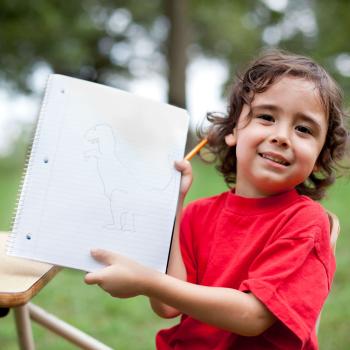
Writing Reports in Kindergarten? Yes!
Grades
K
|
Lesson Plan
|
Unit
Writing Reports in Kindergarten? Yes!
This lesson encourages young students to see themselves as writers with a message to convey. Three types of reports are provided to show what kindergartners and emergent writers can do.
Biographies: Creating Timelines of a Life
Grades
3 - 5
|
Lesson Plan
|
Standard Lesson
Biographies: Creating Timelines of a Life
In this lesson students explore a number of sources to create a biographical timeline about a selected person. Students collaboratively research and resolve conflicting information they find during their investigation.
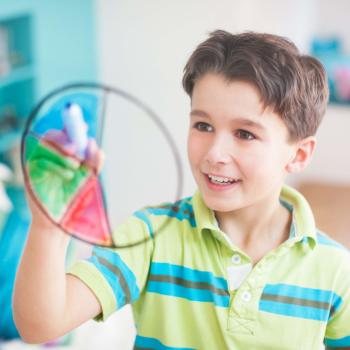
Listen, Look, and Learn: An Information-Gathering Process
Grades
K - 2
|
Lesson Plan
|
Minilesson
Listen, Look, and Learn: An Information-Gathering Process

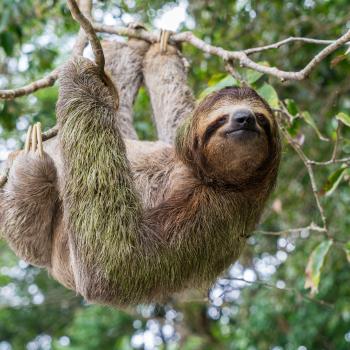
After listening to and discussing the story Score One for the Sloths, primary students research the sloth. Students use a variety of resources, including an information wheel graphic organizer.

Pagination

  • First page « First
  • Previous page ‹‹
  • Page 1
  • Page 2
  • Page 3
  • Page 4
  • Page 5
  • Page 6
  • Page 7
  • Page 8
  • Page 9
  • …
  • Next page ››
  • Last page Last »

Explore Resources by Grade

  • KindergartenK
  • 1-2
  • 3-4
  • 5-6
  • 7-8
  • 9-10
  • 11-12

RWT-logo

Powered By NCTE

Footer 1 Menu

  • About
  • Classroom Resources
  • Professional Development
  • Collections
  • Contact Us

Footer 2 Menu

  • National Council of Teachers of English
  • Contribute to RWT
  • FAQs
  • Join NCTE

Footer 3 Menu

  • Legal Notices
  • Privacy Policy
  • Promotional Materials
  • Site Demonstrations

Want to stay in touch with RWT and NCTE? Sign up here!

  • Facebook
  • Twitter
  • Instagram
  • Pinterest
  • YouTube

© NCTE 2026. All rights reserved