Writing gets personal when students interview family members in order to write a personal narrative about that person.

Exploring and Sharing Family Stories
Let It Grow: An Inquiry-Based Organic Gardening Research Project
Students learn about organic gardening by developing their own research questions, conducting research, gardening at their school, creating signs about their plants, and presenting their research to the class.

Review Redux: Introducing Literary Criticism Through Reception Moments
Literature takes on a life of its own as students take a hands-on approach to exploring A Raisin in the Sun for cultural and historical context.

Teaching Shapes Using Read-Alouds, Visualization, and Sketch to Stretch
Visual clues in winter-themed books used in this lesson encourage students to make real-world math connections.
Solving Word Meanings: Engaging Strategies for Vocabulary Development
Vocabulary gumshoes use context clues and semantics to determine the meaning of unfamiliar words.
Collaborating, Writing, Linking: Using Wikis to Tell Stories Online
Students become online authors in this lesson in which they write and post a short story using wiki technology.

And the Question Is... Writing Good Survey Questions
There's no question that students will be able to compose good survey questions by the end of this lesson.
And the Question Is... Evaluating the Validity of a Survey
In this lesson, students learn to ask the right questions about the validity of surveys.
Give Them a Hand: Promoting Positive Interaction in Literature Circles
Students circle their desks as they analyze their own participation within a small group discussion.
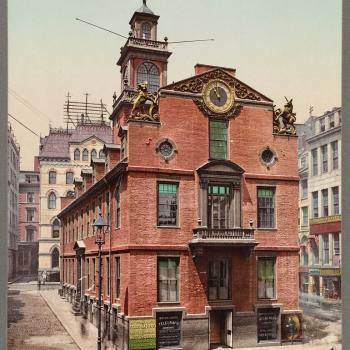
Using Pictures to Build Schema for Social Studies Content
How do you read an image? Students find out in this lesson in which they "read" several images of the Boston Massacre to better understand the event and recognize effects of propaganda.
Shared Experiences, Individual Impressions: Buddies Create PowerPoint Stories
Stories and snapshots of school-related experiences are the perfect sources of inspiration for students as they create PowerPoint presentations with the help of an older student.
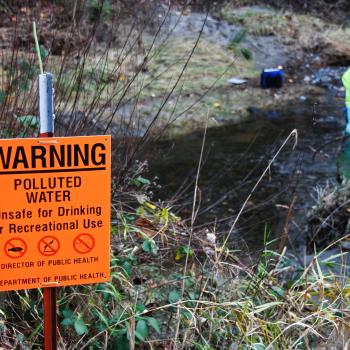
Reading and Writing About Pollution to Understand Cause and Effect
Students get to write a whale of a tale when they complete a graphic organizer sequencing the journey of a mountain fish to a polluted waterway.

Guided Comprehension in Action: Teaching Summarizing With the Bio-Cube
Students learn the ins and outs of writing biographies by researching a contemporary or historical figure and writing a summary.
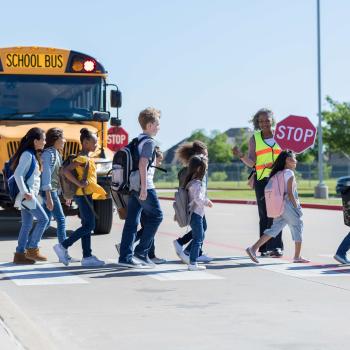
Safety Tips With Officer Buckle and Gloria
Safety first! In this lesson, students take the lessons taught by Officer Buckle and Gloria to heart as they explore safety in everyday situations.
Zines for Kids: Multigenre Texts About Media Icons
Special edition! Students use ReadWriteThink tools to create magazines about prominent figures using a variety of writing genres and styles.

Exploring Literacy in Cyberspace
It's not just words on a page (or screen)—reading comprehension involves making sense of the text. When students become aware of the analytical strategies they are using, they can explore the similarities and differences between making sense of print and making sense of a website.
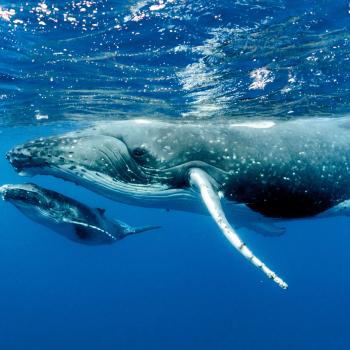
Reading and Writing About Whales Using Fiction and Nonfiction Texts
Students will have a whale of a good time in this lesson in which they use fiction and nonfiction texts to write a letter to an online scientist.

Fighting Injustice by Studying Lessons of the Past
Social injustice occurs every day all over the world. In this lesson, students research a few historical examples of social injustice, including the Holocaust, the Trail of Tears, and Japanese internment.
Multimedia Responses to Content Area Topics Using Fact-"Faction"-Fiction
Students climb into the mind of a spider in this lesson that asks them to compose a spider diary using spider facts, fiction, and "faction"fiction that sounds like fact.

Using THIEVES to Preview Nonfiction Texts
Students become "thieves" in this lesson as they use a previewing strategy to "steal" information from textbooks and other nonfiction texts before actually reading them.