Students analyze rhetorical strategies in online editorials, building knowledge of strategies and awareness of local and national issues. This lesson teaches students connections between subject, writer, and audience and how rhetorical strategies are used in everyday writing.

Developing Citizenship Through Rhetorical Analysis

"Three Stones Back": Using Informational Text to Enhance Understanding of Ball Don't Lie
Students engage in a close reading of a passage from Matt de la Pena's novel Ball Don't Lie before researching important background information to assess the accuracy of the claims made by a character.
Understanding Irony
This lesson enables students to define the three types of irony, identify and differentiate among examples of the types of irony, and demonstrate their understanding of each type.
A Picture IS Worth a Thousand Words: Using Infographics to Illustrate How-to Writing
Students write step-by-step instructions on topics of their own choosing. Then using Piktochart, students create their own infographics to illustrate their instructions.

Picture This: Combining Infographics and Argumentative Writing
After researching topics that the students have chosen, students write argumentative essays. Then, using Piktochart, students create their own infographics to illustrate their research.

For Argument's Sake: Playing "Devil's Advocate" with Nonfiction Texts
Students learn how to play "devil's advocate" by evaluating sports reforms, reading an engaging non-fiction article, and participating in a town hall meeting in which they represent the interests of various stakeholders to generate debate and develop critical thinking skills.

Book Report Alternative: Sharing Info from Informational Reading
Reporting on an informational book doesn't have to be boring! Instead of the traditional book report format, students create newspapers using a Printing Press interactive to share what they have learned from reading informational books.

Making the Cut: Revising Memoirs by Detecting Clutter and Confusion
Students improve a slide show by removing pictures. Their reasons for cutting pictures are translated into revision guidelines for cutting unnecessary words and sections from their rough drafts.
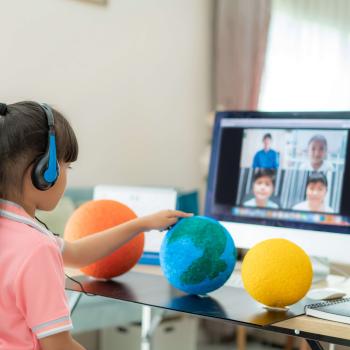
Adventures in Nonfiction: A Guided Inquiry Journey
Students are guided through an informal exploration of nonfiction texts and child-oriented Websites, learning browsing and skimming techniques for the purpose of gathering interesting information.
Research Building Blocks: "Cite Those Sources!"
Students learn the importance of crediting others for their words and ideas, and then learn the paraphrasing and citation skills necessary to avoid plagiarism.

Research Building Blocks: Skim, Scan, and Scroll
In this lesson from a research skills unit, students read informational text, looking for supporting details. They practice skimming and scanning print resources, and scrolling through electronic resources.
Biographies: Creating Timelines of a Life
In this lesson students explore a number of sources to create a biographical timeline about a selected person. Students collaboratively research and resolve conflicting information they find during their investigation.

Writing Technical Instructions
Students walk through the process of creating technical instructions by analyzing existing instructions, choosing an audience, writing their own instructions, receiving user feedback, and then revising and publishing their instructions.

Beyond "What I Did on Vacation": Exploring the Genre of Travel Writing
After reading and analyzing short examples of travel writing and discussing conventions of the genre, students write their own travel articles.
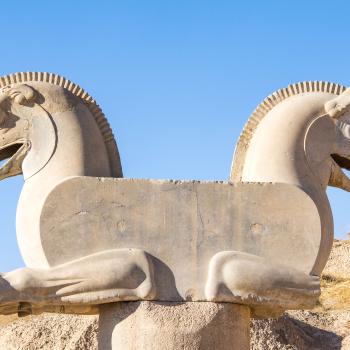
Gaining Background for the Graphic Novel Persepolis: A WebQuest on Iran
To prepare students for reading the graphic novel Persepolis, this lesson uses a WebQuest to focus students' research on finding reliable information about Iran before and during the Islamic Revolution.

I Remember That Book: Rereading as a Critical Investigation
Curl up with a good book againor not. In this lesson, students brainstorm why they reread some books, while passing up others, and write their reflections in an essay.

A Musical Prompt: Postcards From the Concert
Students won't miss a beat in this musical lesson that combines listening with personal response on a postcard.

ABC Bookmaking Builds Vocabulary in the Content Areas
V is for vocabulary. A content area unit provides the theme for a specialized ABC book, as students select, research, define, and illustrate a word for each alphabet letter.

Blending Fiction and Nonfiction to Improve Comprehension and Writing Skills
Students use a text set to increase understanding of content area material and demonstrate what they have learned by writing an original piece that blends together narrative and expository elements.