ReadWriteThink - Powered by NCTE
  • About
  • Classroom Resources
    • Lesson Plans
    • Teaching Comics
    • Teaching With Primary Resources
    • Calendar
    • Printouts
    • Student Interactives
  • Collections
    • Assessment
    • Authors
    • Booklists
    • Media Literacy
    • Poetry
    • Primary Sources
    • Writing
  • Professional Development
    • Strategy Guides
    • Professional Library
    • Meetings & Events
  • Join NCTE
  • Contact Us
  • About
  • Classroom Resources
    • Lesson Plans
    • Teaching Comics
    • Teaching With Primary Resources
    • Calendar
    • Printouts
    • Student Interactives
  • Collections
    • Assessment
    • Authors
    • Booklists
    • Media Literacy
    • Poetry
    • Primary Sources
    • Writing
  • Professional Development
    • Strategy Guides
    • Professional Library
    • Meetings & Events
  • Join NCTE
  • Contact Us
  • Facebook
  • Twitter
  • Instagram
  • Pinterest
  • YouTube

Breadcrumb

  1. Home

Type

  • (-) Minilesson

Grades

  • 1 (3)
  • 2 (3)
  • 3 (3)
  • 4 (4)
  • 5 (5)
  • 6 (2)
  • 7 (3)
  • 8 (3)
  • 9 (3)
  • 10 (3)
  • 11 (3)
  • 12 (3)
  • K (4)

Learning Objectives

  • collaboration (6)
  • Comprehension (2)
  • critical thinking (4)
  • digital literacy (1)
  • Grammar (2)
  • inquiry / research (2)
  • listening (7)
  • literary analysis (2)
  • Media literacy (1)
  • metacognition (3)
  • multicultural awareness (1)
  • multimodal literacy (3)
  • oral communication (3)
  • phonological awareness (4)
  • reading fluency (1)
  • reading genres (1)
  • Spelling (3)
  • Vocabulary (4)
  • writing genres (2)
  • writing process (6)

Topics

  • (-) arts
  • (-) ELL
  • careers
  • community
  • drama
  • Family
  • Mathematics
  • Mobile Learning
  • nonfiction
  • science
  • seasons / holidays
  • social studies / history
  • STEM
Creative Writing in the Natural World: A Framing
Grades
4 - 8
|
Lesson Plan
|
Minilesson
Creative Writing in the Natural World: A Framing
Students practice writing detailed, sensory-rich descriptions by framing a small piece of nature and freewriting about it. From this minilesson, students can develop a variety of types of writing.
Grades
9 - 12
|
Lesson Plan
|
Minilesson
You're the Top! Pop Culture Then and Now
Students analyze the lyrics to Cole Porter's "You're the Top!" and then update them to include current "tops" in pop culture.
Using Repetition and Picture Cues to Foster Independent Young Readers
Grades
K
|
Lesson Plan
|
Minilesson
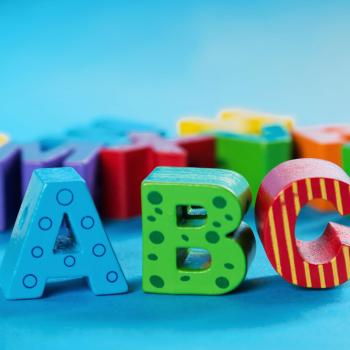
Using Repetition and Picture Cues to Foster Independent Young Readers
Kindergartners share their knowledge of letters and sounds in a large group setting, giving teachers an assessment opportunity. Each student contributes a page to make a repetitive classroom book.

Using Children's Natural Curiosity to Lead to Descriptive Writing
Grades
K - 2
|
Lesson Plan
|
Minilesson
Using Children's Natural Curiosity to Lead to Descriptive Writing

Inspired by the book It Begins with an A, kindergarten students are invited to turn their curiosity and guesswork into a class book, complete with illustrated objects and descriptive language

Grades
3 - 5
|
Lesson Plan
|
Minilesson
Promoting Cultural Values Through Alphabet Books
C is for Culture in this lesson in which students research a culture different from their own and compile an alphabet book that showcases cultural symbols for each letter of the alphabet.
Grades
3 - 5
|
Lesson Plan
|
Minilesson
To, Too, or Two: Developing an Understanding of Homophones
The classroom becomes a stage in this interactive lesson in which students sing, act, and design comic strips to learn the meanings and spellings of common homophones.

Reading Movies and TV: Learning the "Language" of Moving-Image Texts
Grades
5 - 12
|
Lesson Plan
|
Minilesson
Reading Movies and TV: Learning the "Language" of Moving-Image Texts
Introduce students to the idea that movies and TV have their own language and grammar, which gives them special ways of telling their stories.
Playlist for Holden: Character Analysis With Music and Lyrics
Grades
7 - 12
|
Lesson Plan
|
Minilesson
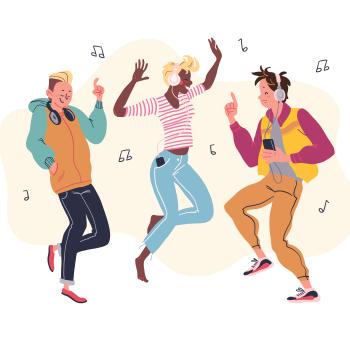
Playlist for Holden: Character Analysis With Music and Lyrics
Students compile a playlist of 10 songs representing a literary character and explain their choices based on the book's dialogue, plot, conflict, and resolution.
What's Under the Slide? Making Inferences Using Microscopes
Grades
3 - 5
|
Lesson Plan
|
Minilesson
What's Under the Slide? Making Inferences Using Microscopes
Students hone their critical thinking skills by learning how to make inferences from textual clues.
Phonic Generalizations in <em>Chrysanthemum</em>
Grades
K - 2
|
Lesson Plan
|
Minilesson
Phonic Generalizations in Chrysanthemum
Students learn about word families by reading Kevin Henkes's book Chrysanthemum, identifying words with certain vowel pair endings, and reading words with similar endings.

Using Folk Tales: Vowel Influences on the Letter <em>G</em>
Grades
K - 2
|
Lesson Plan
|
Minilesson
Using Folk Tales: Vowel Influences on the Letter G
Gentle, gigantic, graceful—do these g words describe the giant in Jack and the Beanstalk? Students will explore the hard and soft g sounds by studying fairy tales and animals.

Explore Resources by Grade

  • KindergartenK
  • 1-2
  • 3-4
  • 5-6
  • 7-8
  • 9-10
  • 11-12

RWT-logo

Powered By NCTE

Footer 1 Menu

  • About
  • Classroom Resources
  • Professional Development
  • Collections
  • Contact Us

Footer 2 Menu

  • National Council of Teachers of English
  • Contribute to RWT
  • FAQs
  • Join NCTE

Footer 3 Menu

  • Legal Notices
  • Privacy Policy
  • Promotional Materials
  • Site Demonstrations

Want to stay in touch with RWT and NCTE? Sign up here!

  • Facebook
  • Twitter
  • Instagram
  • Pinterest
  • YouTube

© NCTE 2026. All rights reserved