Students read and discuss literature about intolerance and diversity. They work with a partner to write two-voice poems that illustrate situations of intolerance at their school and suggest a step toward acceptance.
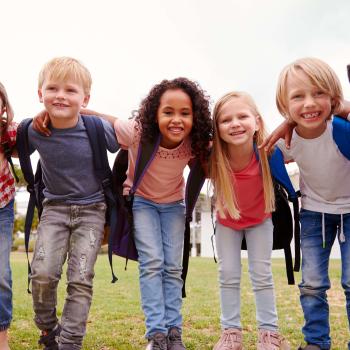
Moving Toward Acceptance Through Picture Books and Two-Voice Texts
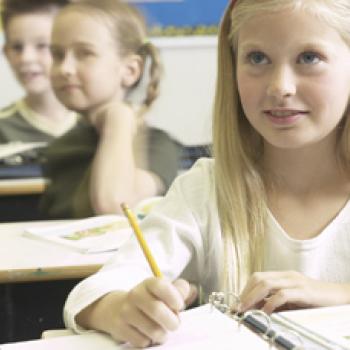
Creating Classroom Community by Crafting Themed Poetry Collections
Students create poetry collections with the theme of "getting to know each other." They study and then write a variety of forms of poetry to include in their collections.

Examining Transcendentalism through Popular Culture
Using excerpts from the works of Ralph Waldo Emerson and Henry David Thoreau, comics, and songs from different musical genres, students examine the characteristics of transcendentalism.

From Stop Signs to the Golden Arches: Environmental Print
Students bring the print-rich environment of the community into the classroom through the use of environmental print, enabling emergent readers to delight in the realization that they are indeed readers.
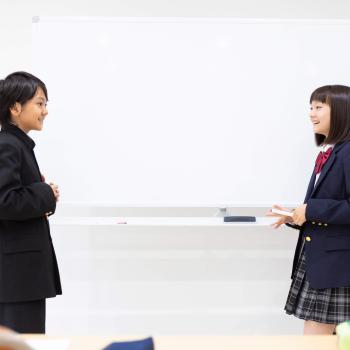
Introducing Each Other: Interviews, Memoirs, Photos, and Internet Research
Students use their communication and writing skills as they interview a partner, write an article about them, and create a multimodal presentation to introduce their partner to the class.


Connecting Past and Present: A Local Research Project
In this unit, students become active archivists, gathering photos, artifacts, and stories for a museum exhibit that highlights one decade in their school's history.
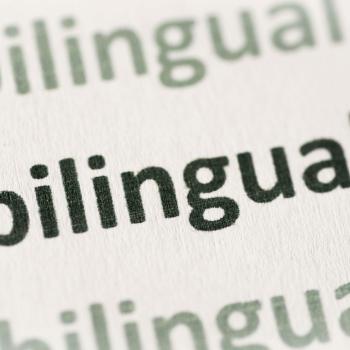
Crossing Boundaries Through Bilingual, Spoken-Word Poetry
Students explore the idea of "crossing boundaries" through bilingual, spoken-word poetry, culminating in a poetry slam at school or in the community.
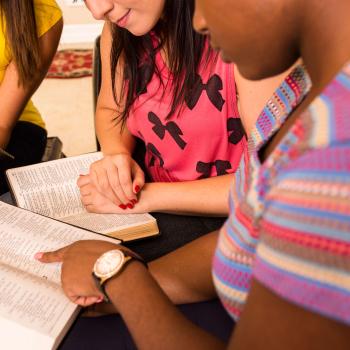
Accountable Book Clubs: Focused Discussions
Students form literature circles, read Esperanza Rising or Becoming Naomi Leon by Pam Munoz Ryan, use a Critical Thinking Map to discuss social issues, and use a class wiki.

Tell and Show: Writing With Words and Video
Writers and film buffs alike will sharpen their skills in this multimedia unit as they work together to author and design a digital video.
Giving Voice to Students Through "This I Believe" Podcasts
Students write and record their own essays for a class blog by first completing a series of activities designed to get them thinking and writing about their experiences.
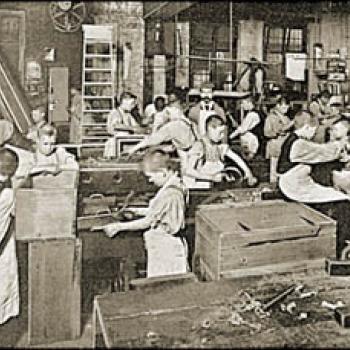
Giving Voice to Child Laborers Through Monologues
Students present monologues in the "voice" of someone involved in child labor in England, respond to questions, and then discuss contemporary child laborers and compare them to the past.
Teaching Audience Through Interactive Writing
Through interactive writing, students work together and then independently to create invitation letters for a group of their peers and their families.

Finding Solutions to Food Waste: Persuasion in a Digital World
Using various reading strategies and resources, students explore the issue of food waste. They also create persuasive arguments and blog posts examining this topic.

Seeking Social Justice Through Satire: Jonathan Swift's "A Modest Proposal"
This lesson assists advanced students in grades 10–12 in comprehending Jonathan Swift's "A Modest Proposal" and developing a presentation to satirize a contemporary social issue.
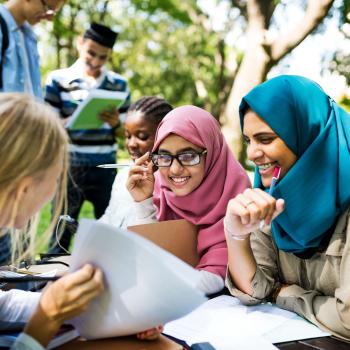
A Portrait of Our World: Making Connections and Developing Comprehension
Students engage in carousel walks, character analyses, global explorations, and genre studies while using valuable language arts strategies to build higher-level comprehension skills.
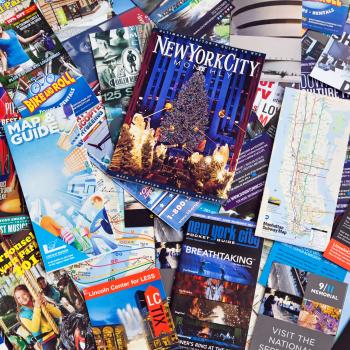
All About Our Town: Using Brochures to Teach Informational Writing
Students explore their towns' landmarks, symbols, and people; look at brochures and other informational tools; practice writing for a specific audience and revising; and work collaboratively to create a brochure.
Exploring and Sharing Family Stories
Writing gets personal when students interview family members in order to write a personal narrative about that person.

MyTube: Changing the World With Video Public Service Announcements
This assignment will go viral with students as they think about the meanings of words and images in public service announcements from YouTube before creating a PSA of their own.
Crit Lit for Kids: From Critical Consciousness to Service Learning
Students take their ideas from the classroom page to the community pavement when they participate in a service-learning project based on their multimedia presentations.