ReadWriteThink - Powered by NCTE
  • About
  • Classroom Resources
    • Lesson Plans
    • Teaching Comics
    • Teaching With Primary Resources
    • Calendar
    • Printouts
    • Student Interactives
  • Collections
    • Assessment
    • Authors
    • Booklists
    • Media Literacy
    • Poetry
    • Primary Sources
    • Writing
  • Professional Development
    • Strategy Guides
    • Professional Library
    • Meetings & Events
  • Join NCTE
  • Contact Us
  • About
  • Classroom Resources
    • Lesson Plans
    • Teaching Comics
    • Teaching With Primary Resources
    • Calendar
    • Printouts
    • Student Interactives
  • Collections
    • Assessment
    • Authors
    • Booklists
    • Media Literacy
    • Poetry
    • Primary Sources
    • Writing
  • Professional Development
    • Strategy Guides
    • Professional Library
    • Meetings & Events
  • Join NCTE
  • Contact Us
  • Facebook
  • Twitter
  • Instagram
  • Pinterest
  • YouTube

Breadcrumb

  1. Home

Type

  • Classroom Resources
  • Professional Development

Grades

  • 1 (36)
  • 2 (38)
  • 3 (37)
  • 4 (41)
  • 5 (48)
  • 6 (53)
  • 7 (51)
  • 8 (49)
  • 9 (38)
  • 10 (37)
  • 11 (37)
  • 12 (37)
  • K (37)

Learning Objectives

  • collaboration (38)
  • Comprehension (36)
  • critical thinking (41)
  • digital literacy (7)
  • Grammar (8)
  • inquiry / research (25)
  • listening (20)
  • literary analysis (14)
  • Media literacy (13)
  • metacognition (21)
  • multicultural awareness (18)
  • multimodal literacy (20)
  • oral communication (25)
  • phonological awareness (12)
  • print awareness (14)
  • reading fluency (7)
  • reading genres (17)
  • Spelling (11)
  • text structure / story structure (12)
  • Vocabulary (31)
  • writing genres (28)
  • writing process (32)

Topics

  • (-) ELL
  • (-) seasons / holidays
  • arts
  • careers
  • community
  • drama
  • Family
  • fiction
  • Mathematics
  • Mobile Learning
  • nonfiction
  • poetry
  • science
  • social action
  • social studies / history
  • Sports
  • STEM
Myth and Truth: Independence Day
Grades
3 - 5
|
Lesson Plan
|
Standard Lesson
Myth and Truth: Independence Day
By exploring myths and truths surrounding Independence Day, students think critically about commonly believed stories regarding the beginning of the Revolutionary War and the Independence Day holiday.

A Picture's Worth a Thousand Words: From Image to Detailed Narrative
Grades
6 - 8
|
Lesson Plan
|
Standard Lesson
A Picture's Worth a Thousand Words: From Image to Detailed Narrative

The old cliche, "A picture is worth a thousand words" is put to the test when students write their own narrative interpretations of events shown in an image.

Persuasive Writing: What Can Writing in Family Message Journals Do for Students?
Grades
K - 2
|
Lesson Plan
|
Standard Lesson
Persuasive Writing: What Can Writing in Family Message Journals Do for Students?
This lesson engages children in using writing to their families as a persuasive tool to get what they want and need.

How Big Are <em>Martin's Big Words</em>? Thinking Big about the Future
Grades
3 - 5
|
Lesson Plan
|
Minilesson
How Big Are Martin's Big Words? Thinking Big about the Future

Inspired by the book Martin's Big Words, students explore information on Dr. King to think about his "big" words, then they write about their own "big" words and dreams.

Family Message Journals Teach Many Purposes for Writing
Grades
K - 2
|
Lesson Plan
|
Standard Lesson
Family Message Journals Teach Many Purposes for Writing
This lesson encourages children to explore authentic reasons for writing by writing messages to their family in a family message journal.
Launching Family Message Journals
Grades
K - 2
|
Lesson Plan
|
Standard Lesson
Launching Family Message Journals
This lesson introduces Family Message Journals—a teacher-tested tool for encouraging family involvement and supporting writing to reflect and to learn.
Using Repetition and Picture Cues to Foster Independent Young Readers
Grades
K
|
Lesson Plan
|
Minilesson
Using Repetition and Picture Cues to Foster Independent Young Readers
Kindergartners share their knowledge of letters and sounds in a large group setting, giving teachers an assessment opportunity. Each student contributes a page to make a repetitive classroom book.

Using Children's Natural Curiosity to Lead to Descriptive Writing
Grades
K - 2
|
Lesson Plan
|
Minilesson
Using Children's Natural Curiosity to Lead to Descriptive Writing

Inspired by the book It Begins with an A, kindergarten students are invited to turn their curiosity and guesswork into a class book, complete with illustrated objects and descriptive language

Seasonal Haiku: Writing Poems to Celebrate Any Season
Grades
3 - 5
|
Lesson Plan
|
Standard Lesson
Seasonal Haiku: Writing Poems to Celebrate Any Season
After listening to haiku poetry, students use seasonal descriptive words to write their own haiku, following the traditional format. They then publish their poems by mounting them on illustrated backgrounds.
ReadAcrossAmerica
Grades
K - 12
|
Calendar Activity
|
Literacy-Related Event
Read Across America Day: Celebrate a Nation of Diverse Readers

Bring the celebration of reading and literacy into your classroom, library, school, and home all year long.
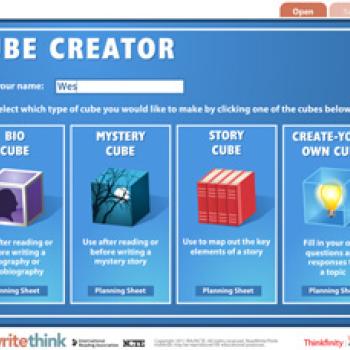
Mystery Cube
Grades
6 - 12
|
Student Interactive
|
Writing & Publishing Prose
Mystery Cube

The Mystery Cube helps students identify and summarize story elements in this popular genre. It can be used as a postreading or prewriting activity.
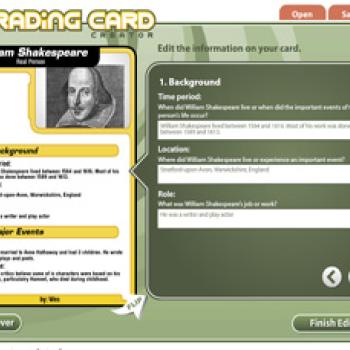
Trading Card Creator
Grades
3 - 12
|
Student Interactive
|
Organizing & Summarizing
Trading Card Creator

This tool provides a fun and useful way to explore a variety of topics such as a character in a book, a person or place from history, or even a physical object. An excellent tool to for summarizing or as a prewriting exercise for original stories.
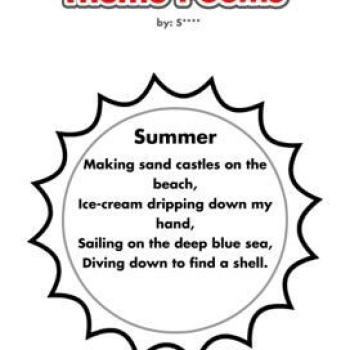
Theme Poems
Grades
K - 5
|
Student Interactive
|
Writing Poetry
Theme Poems

Formerly known as Shape Poems, this online tool allows elementary students to write poems in various shapes.
Power of Picture Books, The: Using Content Area Literature in Middle School
Grades
5 - 9
|
Professional Library
|
Book
Power of Picture Books, The: Using Content Area Literature in Middle School
Featuring descriptions and activities for fifty exceptional titles, Mary Jo Fresch and Peggy Harkins offer a wealth of ideas for harnessing the power of picture books to improve reading and writing in the content areas.
Brainstorming and Reviewing Using the Carousel Strategy
Grades
Grades
5 - 12
|
Strategy Guide
Brainstorming and Reviewing Using the Carousel Strategy
This strategy guide introduces Carousel Brainstorming, also known as Rotating Review, and offers suggestions to implement this technique in your classroom for brainstorming about new topics or reviewing learned information.

Using the RAFT Writing Strategy
Grades
Grades
5 - 12
|
Strategy Guide
Using the RAFT Writing Strategy
This strategy guide introduces the RAFT technique and offers practical ideas for using this technique to teach students to experiment with various perspectives in their writing.

Supporting Comprehension Strategies for English Language Learners
Grades
Grades
6 - 12
|
Strategy Guide
Supporting Comprehension Strategies for English Language Learners
This Strategy Guide is for developing comprehension that incorporates the gradual release of responsibility model.
Supporting Vocabulary Acquisition for English Language Learners
Grades
Grades
6 - 12
|
Strategy Guide
Supporting Vocabulary Acquisition for English Language Learners
This Strategy Guide introduces strategies teachers can use for ELL vocabulary instruction in their English and content area classrooms.
Assessing Student Interests and Strengths
Grades
Grades
6 - 12
|
Strategy Guide
Assessing Student Interests and Strengths
In this Strategy Guide, you'll learn about a number of specific methods that can help you to gain a fuller picture of the interests of your students as well as what your students understand, know, and can demonstrate by doing.
Developing Academic Vocabulary
Grades
Grades
K - 12
|
Strategy Guide Series
Developing Academic Vocabulary
In this Strategy Guide Series, you'll find creative and compatible ways to build, maintain, and extend students' vocabulary across academic disciplines.

Pagination

  • First page « First
  • Previous page ‹‹
  • Page 1
  • Page 2
  • Page 3
  • Page 4
  • Page 5
  • Page 6
  • Next page ››
  • Last page Last »

Explore Resources by Grade

  • KindergartenK
  • 1-2
  • 3-4
  • 5-6
  • 7-8
  • 9-10
  • 11-12

RWT-logo

Powered By NCTE

Footer 1 Menu

  • About
  • Classroom Resources
  • Professional Development
  • Collections
  • Contact Us

Footer 2 Menu

  • National Council of Teachers of English
  • Contribute to RWT
  • FAQs
  • Join NCTE

Footer 3 Menu

  • Legal Notices
  • Privacy Policy
  • Promotional Materials
  • Site Demonstrations

Want to stay in touch with RWT and NCTE? Sign up here!

  • Facebook
  • Twitter
  • Instagram
  • Pinterest
  • YouTube

© NCTE 2026. All rights reserved