Students learn components of think-alouds and type-of-text interactions through teacher modeling. In the process, students develop the ability to use think-alouds to aid in reading comprehension tasks.
Building Reading Comprehension Through Think-Alouds
A is for Apple: Building Letter-Recognition Fluency
Students apply and build their knowledge of letters and letter sounds as they play games and interact with letters online, creating their own ABC book as a final activity.
Using a Predictable Text to Teach High-Frequency Words
After reading an engaging yet predictable text about a child looking for his cat, students use a similar format and high-frequency words to craft tales about their own lost pets.

Creative Writing Through Wordless Picture Books
Students are exposed to wordless picture books and begin developing story lines, both orally and in writing, using an online, interactive story map.

Alaska Native Stories: Using Narrative to Introduce Expository Text
Tradition and technology come together in this lesson in which students learn about Alaskan animals through Native American tales and their own online research.
Generating Rhymes: Developing Phonemic Awareness
Traditional chants and songs are adapted to help young students recognize and generate rhymes. The word and letter patterns involved in rhymes provide a stepping stone to reading skills.
Multimedia Responses to Content Area Topics Using Fact-"Faction"-Fiction
Students climb into the mind of a spider in this lesson that asks them to compose a spider diary using spider facts, fiction, and "faction"fiction that sounds like fact.

Gingerbread Phonics
"Run, run, as fast as you can." Students use this refrain from The Gingerbread Man to learn letter-sound correspondence. Students use their new skills to write an online story.

Using THIEVES to Preview Nonfiction Texts
Students become "thieves" in this lesson as they use a previewing strategy to "steal" information from textbooks and other nonfiction texts before actually reading them.

Getting the ig in Pig: Helping Children Discover Onset and Rime
Students will need their language-building hard hats as they construct words using onset and rime, building vocabulary and phonics comprehension.
Traveling Terrain: Comprehending Nonfiction Text on the Web
Students locate specific information, identify text features of nonfiction text, and write to generalize information on related topics.

Critical Media Literacy: Commercial Advertising
By looking at advertising and mass media critically, students begin to understand how the media oppresses certain groups, convinces people to purchase certain products, and influences culture.
Critical Media Literacy: TV Programs
By critically analyzing popular television programs, students develop an awareness of the messages that are portrayed through the media.
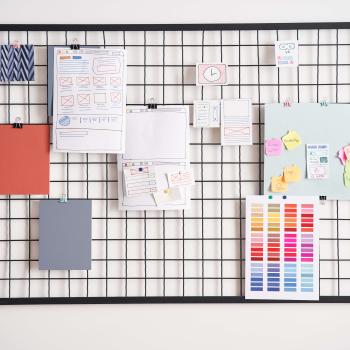
Scaffolding Comprehension Strategies Using Graphic Organizers
Students learn collaborative strategic reading (CSR). During and after reading, students apply four reading strategiespreview, click and clunk, get the gist, and wrap-upand use graphic organizers for scaffolding.

Exploring World Cultures Through Folk Tales
Journey around the world with students as they read a Japanese, African, or Welsh folk tale, create a visual depiction of the tale, research the tale's culture, and present findings.
Compare and Contrast Electronic Text With Traditionally Printed Text
Students become familiar with the similarities and differences between electronic and printed text by comparing the textual aids included in a textbook with those of an educational website.
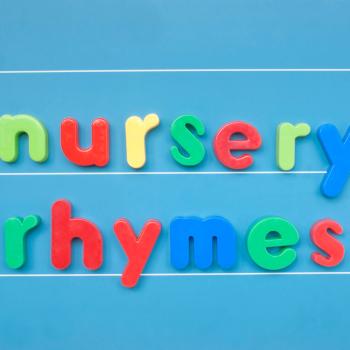
The Two Voices of the ow Spelling Pattern
Variable vowels are the focus of this lesson; students use nursery rhymes and ow to study how vowels can change their sounds according to different spelling patterns.
Finding Figurative Language in The Phantom Tollbooth
Students examine figurative language in The Phantom Tollbooth and create a chart representing the literal and figurative meanings of words and phrases.
Protecting Our Precious Planet: Sharing the Message of Earth Day
Students discover that they can make a world of difference when they participate in the online Earth Day bag program.
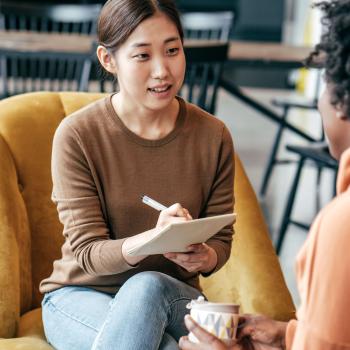
Getting to Know You: Developing Short Biographies to Build Community
How well do your students know their peers? Students transform into investigative reporters as they interview a classmate, compile the biographical data into graphic form, and introduce the student to the class.