ReadWriteThink - Powered by NCTE
  • About
  • Classroom Resources
    • Lesson Plans
    • Teaching Comics
    • Teaching With Primary Resources
    • Calendar
    • Printouts
    • Student Interactives
  • Collections
    • Assessment
    • Authors
    • Booklists
    • Media Literacy
    • Poetry
    • Primary Sources
    • Writing
  • Professional Development
    • Strategy Guides
    • Professional Library
    • Meetings & Events
  • Join NCTE
  • Contact Us
  • About
  • Classroom Resources
    • Lesson Plans
    • Teaching Comics
    • Teaching With Primary Resources
    • Calendar
    • Printouts
    • Student Interactives
  • Collections
    • Assessment
    • Authors
    • Booklists
    • Media Literacy
    • Poetry
    • Primary Sources
    • Writing
  • Professional Development
    • Strategy Guides
    • Professional Library
    • Meetings & Events
  • Join NCTE
  • Contact Us
  • Facebook
  • Twitter
  • Instagram
  • Pinterest
  • YouTube

Breadcrumb

  1. Home

Type

  • Classroom Resources
  • Professional Development

Learning Objectives

  • collaboration (458)
  • Comprehension (508)
  • critical thinking (649)
  • digital literacy (154)
  • Grammar (57)
  • inquiry / research (350)
  • listening (182)
  • literary analysis (367)
  • Media literacy (205)
  • metacognition (302)
  • multicultural awareness (113)
  • multimodal literacy (260)
  • oral communication (224)
  • phonological awareness (61)
  • print awareness (89)
  • reading fluency (67)
  • reading genres (290)
  • Spelling (51)
  • text structure / story structure (242)
  • Vocabulary (191)
  • writing genres (382)
  • writing process (421)

Topics

  • arts
  • careers
  • community
  • drama
  • ELL
  • Family
  • fiction
  • Mathematics
  • Mobile Learning
  • nonfiction
  • poetry
  • science
  • seasons / holidays
  • social action
  • social studies / history
  • Sports
  • STEM
Grades Grade 11 , Grade 12 | Source Type Newspapers
PORO Advertisement in Franklin’s Paper The Statesman
Rationale By: Bianca Romero
Grades Grade 6 , Grade 7 , Grade 8 , Grade 9 , Grade 10 , Grade 11 , Grade 12 | Source Type Newspapers
Afro-American Woman Inventor: Chole Etta Johnson
Rationale By: Bianca Romero
Grades Grade 9 , Grade 10 , Grade 11 , Grade 12 | Source Type Newspapers
The mountain sentinel (Ebensburg, Pa.), August 14, 1851
Rationale By: Jenny McBride
Grades Grade 9 , Grade 10 , Grade 11 , Grade 12 | Source Type Photograph/Print
Kent State Shooting
Rationale By: Molly Love
Grades Grade 9 , Grade 10 , Grade 11 , Grade 12 | Source Type Manuscripts
Petition for bail from accused witches, ca 1692
Rationale By: Jacqueline Maxwell
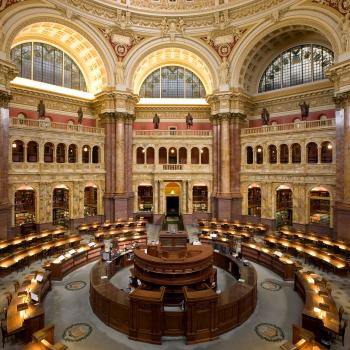
On this day in 1800, Congress approved the purchase of books to start the Library of Congress.
Grades
7 - 12
|
Calendar Activity
|
Historical Figure & Event
On this day in 1800, Congress approved the purchase of books to start the Library of Congress.
Students practice and refine research skills by visiting the Library of Congress website and conducting a research project.
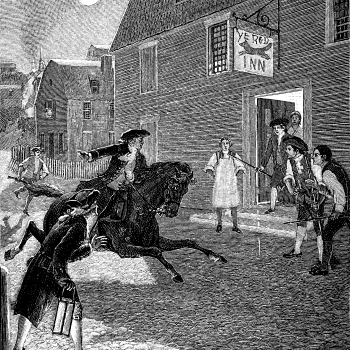
Paul Revere began his famous midnight ride in 1775.
Grades
4 - 8
|
Calendar Activity
|
Historical Figure & Event
Paul Revere began his famous midnight ride in 1775.
Through the study of Paul Revere, students learn about primary source documents while researching their family histories, with which they create and compare their family trees.
Grades
K - 6
|
Calendar Activity
|
Author & Text
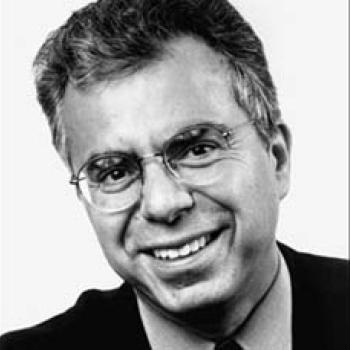
Gary Soto, poet and children's writer, was born on this date in 1952.
Using one of Soto's stories, students take part in share stories about their families, describe their street/neighborhood, or compose an acrostic poem using the Acrostic Poems interactive tool.

Cape Flattery—light house on Tatoosh

Cape Flattery—light house on Tatoosh
Lesson By
Dr. Katie Wolff
Citation

Muybridge, Eadweard. Cape Flattery — light house on Tatoosh Island, 1st order fixed light, 162 feet above sea level / illustrated by Edw. J. Muybridge. 1870. Photograph. Library of Congress Prints and Photographs Division. https://www.loc.gov/item/2006680956/.

Source Type
Photographs and Prints
Suggested Grade Band: Grade 6, Grade 7, Grade 8
Describe How Students Will Engage with the Source

This photo is of the Tatoosh Lighthouse in Neah Bay, Washington. Introduce this lesson by brainstorming with students how much they know about the purposes of lighthouses and where they are commonly found. At the middle school level, most students will have a general idea of what lighthouses are or why they might be useful.

I would also introduce the geography of the Olympic Peninsula of Washington State by projecting a map and asking students what they imagine the coastline to look like and what the hazards of a coastline like this might be. The National Park Service has some introductory resources on the ONP coastal geology that may be helpful.

Historical/Community Context for the Primary Source

In 1778, Captain James Cook explored the area near the Olympic Peninsula and named nearby Tatoosh Island after a Makah chief who used it seasonally for whaling and fishing. In 1849–1850, William McArthur recommended building a lighthouse on Tatoosh Island to aid ships entering the strait of Juan de Fuca. Congress funded the project in 1854.

Source: https://www.lighthousefriends.com/light.asp?ID=120


Source: : https://www.lighthousefriends.com/light.asp?ID=120


Instructional Focus Question(s) for Discussion
  1. How have coastal environments impacted humans?
  2. How do lighthouses benefit humans? Why do people choose to build lighthouses, especially in rural areas?
  3. Extension Question: What are the different perspectives about the management of Tatoosh Island and the Cape Flattery Lighthouse, and how have they changed over time?
Standards Connection (State)
WA
Standards Connections

Washington


ELA Standard

ELA.W.7.7. Conduct short research projects to answer a question, drawing on several sources and generating additional related, focused questions

for further research and investigation.

Social Studies Standard

SSG2.6-8.3. Explain and analyze how the environment has affected people and how human actions modify the physical environment, and in turn, how the physical environment limits or promotes human activities in Washington State in the past or present.

NCTE Standard 7

Students conduct research on issues and interests by generating ideas and questions, and by posing problems. They gather, evaluate, and synthesize data from a variety of sources (e.g., print and non-print texts, artifacts, people) to communicate their discoveries in ways that suit their purpose and audience.

Instructional Design
  • To begin the lesson, students will examine the photo, writing what they notice, think, and wonder about what they see.
  • Students Pair-Share their thoughts then groups may share out.
  • Students then conduct a WebQuest research project on the Tatoosh Lighthouse. Direct them to the following websites:
    • Lighthouse Friends - Tatoosh
    • University of Washington Magazine
    • Kid’s Encyclopedia - Tatoosh
    • MindTrip - Pictures of Tatoosh
    • Makah Cape Flattery Trail
    • Historic Structures - Tatoosh
    • National Trust for Historic Preservation
  • Students should choose three web pages or articles on websites to read. You may choose any three topics or stories that are interesting to you from the websites your teacher gave you. Fill in the chart linked here that includes the following information for each web page or article.
    • Title of the article
    • Three key pieces of information found in the article (in your own words)
    • Copy and paste the URL (web address)
    • Important quotation and explanation: Why did you choose that quotation?
  • Students may compile their information gathered into a slideshow presentation and either present it live to small groups or the class or record a presentation for viewing online. Have students focus on the different groups involved in the discussion of Tatoosh Island and its lighthouse.
Tags:
Geography, Group work, Primary source analysis, Research, Visual literacy
Alternative or Complementary Primary Sources

Muybridge, Eadweard. Cape Disappointment-Light House (mouth of Columbia River), 1st order fixed light, 232 feet above sea level, and fog bell / illustrated by Edw. J. Muybridge. 1870. Photograph. Library of Congress Prints and Photographs Division. https://www.loc.gov/item/2006680955/.

Subject/Topic:
Geography, history, social studies, Photographs, prints, posters, Photography
Is Mosaic Content
On

Shell Ornaments—Quinault

Shell Ornaments—Quinault
Lesson By
Dr. Katie Wolff
Citation

Curtis, Edward S. Shell ornaments—Quinault. ca. 1913. Photograph. Library of Congress Prints and Photographs Division. https://www.loc.gov/item/93511820/.

Source Type
Photographs and Prints
Suggested Grade Band: Grade 9, Grade 10, Grade 11, Grade 12
Describe How Students Will Engage with the Source

Begin this lesson by introducing the values and ideals surrounding how we dress and what we show to others about our personalities through what we wear. Do we wear something that has sentimental value? Does someone we know wear something that is important to them? (This is an ideal time to point out cultural and/or religious norms, such as married couples wearing rings, pastors wearing collars, women wearing hijabs, men wearing yarmulkes, etc.) Most high school students should be familiar with the concept of showing some of our identity through what we wear, how we accessorize, and even how we adapt and change our bodies with piercings and tattoos.

Historical/Community Context for the Primary Source

Historically, Native Americans expressed their personal, religious, and cultural identities through wearing regalia—items made from natural materials that are woven, beaded, and painted. Today, most regalia is worn for ceremonies and celebrations.


Source: https://aktalakota.stjo.org/lakota-culture/beliefs-traditions/native-american-clothing/


Instructional Focus Question(s) for Discussion
  1. Why do people wear items of cultural, religious, or personal importance?
  2. Why can wearing these items generate controversy?
    1. What happens when wearing these items may violate dress codes in schools, offices, airports, or other places?
Standards Connection (State)
WA
Standards Connections

Washington


ELA Standard

ELA.SL.11-12.1. Initiate and participate effectively in a range of collaborative discussions (one-on-one, in groups, and teacher-led) with diverse partners on grades 11–12 topics, texts, and issues, building on others’ ideas and expressing their own clearly and persuasively.

Social Studies Standard

SSS1.9-12.5. Explain the challenge and opportunities of

addressing problems over place and time using disciplinary and interdisciplinary lenses.

NCTE Standard 4

Students adjust their use of spoken, written, and visual language (e.g., conventions, style, vocabulary) to communicate effectively with a variety of audiences and for different purposes.

Instructional Design
  • Display the source photo. Students discuss what they see, think, and wonder. The following questions may be helpful: How much do you know about Native American cultural dress? What do you know about the Quinault tribe? Based on the photo, can you guess where they may be located? Why?
  • Now, view a video that discusses wearing Native American regalia at graduations. Students take notes on what they see and wonder in the video. Possible videos:
    • Indigenous Students Share the Importance of Tribal Regalia at Graduation
    • New Michigan law protects Native American graduates' right to wear cultural regalia
  • In groups, students share their notes. Then, the groups research ideas or points they find interesting. The research focus will be the focus questions for the source, connecting traditional regalia to modern-day issues.
  • After groups complete their research, they present it to the class, inviting discussion.
  • Possible Extension: This lesson could be extended in a variety of ways, specifically into the wearing of any cultural significant dress in everyday American life. Students could research some common controversies, why they are controversial, and conduct more classroom discussions or writing about these issues.
Tags:
Discussion, Group work , Primary source analysis, Seminar, Visual literacy
Alternative or Complementary Primary Sources

Curtis, Edward S. Quinault female head-and-shoulders portrait, facing slightly left. ca. 1913. Photograph. Library of Congress Prints and Photographs Division. https://www.loc.gov/item/93511822/.

Subject/Topic:
American popular culture, Arts and culture, Photographs, prints, posters, Photography
Is Mosaic Content
On

Coastal habitats of the Elwha River

Coastal habitats of the Elwha River
Lesson By
Dr. Katie Wolff
Citation

Duda, Jeffrey J, Christopher S. Magirl, Jonathan A. Warrick, and U.S. Geological Survey. Coastal habitats of the Elwha River, Washington: Biological and physical patterns and processes prior to dam removal. 2011. Pdf. Library of Congress. https://www.loc.gov/item/2023692486/.

Source Type
Books and Other Printed Texts
Suggested Grade Band: Grade 9, Grade 10, Grade 11, Grade 12
Describe How Students Will Engage with the Source

This source is a large, scientific study concerning the effects of the hydroelectric dams built on the Elwha River, published in 2011. As a result of this study, the dams were later removed. Use this source for students to craft an argumentative essay arguing for or against dam removal.

Many high school students will have some prior knowledge of dams, the purpose of them, and how they may impact the environment. Introduce this concept by brainstorming prior knowledge about dams in general and then possibly providing geographic context for the Olympic Peninsula in Washington State. Students should to be able to make connections between the geographic and environmental impact of dams in their areas. Students should also be able to connect dams to other human-made technologies that impact the environment.

Because this source is a study, it may be useful to collaborate with the science department to extend the learning opportunities, as well as chunk some of the heavy reading. Alternatively, teachers may choose specific sections of the text to focus on for the argument and offer the entire study as a reference for students who want more or different information.

Historical/Community Context for the Primary Source

In the early 1900s, developers built two dams on the Elwha River in Washington State on the Olympic Peninsula. These dams had several negative effects on the environment and communities surrounding the river, and in the 1990s, Congress passed the Elwha River Ecosystem and Fisheries Restoration Act, which paved the way for full restoration of the Elwha River.

Source: https://www.nps.gov/olym/learn/nature/history-of-the-elwha.htm


Source: : https://www.nps.gov/olym/learn/nature/history-of-the-elwha.htm


Instructional Focus Question(s) for Discussion
  1. What information is in this report?
  2. Who would be interested in having this information? Why?
  3. What types of evidence is included?
  4. How would this information be useful about whether or not the Elwha River dams should be removed?
Standards Connection (State)
IN
Standards Connections

Washington


ELA Standard

ELA.W.11-12.1. Write arguments to support claims in an analysis of substantive topics or texts, using valid reasoning and relevant and sufficient evidence.

Social Studies Standard

H2.11-12.2. Distinguish between long-term causes and triggering events in developing a historical argument.

NCTE Standard 3

Students use a variety of technological and information resources (e.g., libraries, databases, computer networks, video) to gather and synthesize information and to create and communicate knowledge.

Instructional Design
  • Begin by familiarizing students with the report. A possible way to make these scientific studies more accessible to students may be through reading the abstracts for each article first. After reading each abstract, students take notes on the information they can find in the article. This will help them later when they begin writing their arguments.
  • Once students have read each abstract and taken notes, an expert-group jigsaw is a possible strategy for students to read and record more useful information. Each group is assigned an article (chapter) and reads it together, making notes on a graphic organizer, including what they notice, what they wonder, and key ideas they find.
  • Once groups have finished their graphic organizers, have them discuss the following questions:
    • What is the main claim in this article? How do you know?
    • Who would be interested in having this information? Why?
    • What evidence is included in this article? Quotes from other researchers? Data? Personal stories?
    • What information is something new to you, that you didn’t know before?
    • How would this information be useful in a future argumentative essay about whether the dams should be removed or not?
  • After discussing these questions, groups determine 4–5 key facts or information found in the article for a Gallery Walk.
  • Students conduct a Gallery Walk for the study. Groups will have prepared 4–5 key facts from their articles, and these should be posted virtually or physically in the room for students to then visit and take detailed notes for each article. Remind students that these notes are to help them know where to look for information for their arguments.
  • Once the information is collected, students will write their arguments. Teachers may choose a prompt to best fit the needs of their students, but some possibilities are to write a letter to the editor, supporting the dam removal or opposing the dam removal, or to write a full argumentative synthesis essay supporting or opposing dam removal.
  • Remind students that while they may do additional research, and we know that the dams were removed, students should not reference any sources about what actually happened after the dams were removed. They should be using the information available in 2011 or earlier for their writing.
  • A possible extension for this writing assignment is to research the aftereffects of the removals and write a response from the future to students’ original arguments.
Tags:
Argument, Primary source analysis, Research, Synthesis, Visual literacy, Writing
Alternative or Complementary Primary Sources

Historic American Engineering Record. Elwha River Hydroelectric System, Port Angeles, Clallam County, WA. 1968. Print. Library of Congress Prints and Photographs Division. https://www.loc.gov/item/wa0603/.

Subject/Topic:
Geography, history, social studies, Government, law, politics
Is Mosaic Content
On

Elwha River Hydroelectric System, Glines Hydroelectric Dam

Elwha River Hydroelectric System, Glines Hydroelectric Dam
Lesson By
Dr. Katie Wolff
Citation

Historic American Engineering Record. Elwha River Hydroelectric System, Glines Hydroelectric Dam & Plant, Port Angeles, Clallam County, WA. 1968. Photograph. Library of Congress Prints and Photographs Division. https://www.loc.gov/item/wa0605/.

Source Type
Photographs and Prints
Suggested Grade Band: Grade 9, Grade 10, Grade 11, Grade 12
Describe How Students Will Engage with the Source

Many high school students will have some prior knowledge of dams, the purpose of them, and how they may impact the environment. Introduce this concept by brainstorming prior knowledge about dams in general and providing geographic context for the Olympic Peninsula in Washington State. Students should be able to make connections between the geographic and environmental impact of dams in their areas. Students should also be able to connect dams to other human-made technologies that impact the environment.

Historical/Community Context for the Primary Source

The Glines Canyon Dam was built on the Elwha River on the Olympic Peninsula in Washington State in the early 1900s. The dam was built to supply electricity and fuel regional growth in nearby Port Angeles, but it also blocked salmon migration and flooded ancestral land of the Lower Elwha Klallam tribe.


Source: https://home.nps.gov/olym/learn/nature/elwha-ecosystem-restoration.htm


Instructional Focus Question(s) for Discussion
  1. How did the Glines Canyon Dam impact the geography and environment of a river drainage?
    1. How does the dam affect the river?
    2. How do the supporting buildings affect the forest by the river?
    3. How does the height of the dam affect fish and other wildlife that live in the river or use the river for migration?
  2. How do dams impact the geography and environment?
  3. Why do people build dams?
  4. Why do people remove dams?
Standards Connections

Washington


ELA Standard

ELA.RI.9-10.1. Cite strong and thorough textual evidence to support analysis of what the text says explicitly as well as inferences drawn from the text.

Social Studies Standard

G2.9-10.2. Explain how humans modify the environment with technology.

NCTE Standard 3

Students apply a wide range of strategies to comprehend, interpret, evaluate, and appreciate texts. They draw on their prior experience, their interactions with other readers and writers, their knowledge of word meaning and of other texts, their word identification strategies, and their understanding of textual features (e.g., sound-letter correspondence, sentence structure, context, graphics).

Instructional Design
  • Begin by showing students the photograph collection. Give them time to go through the collection. This could be structured in different ways such as through a Gallery Walk, groups assigned specific pictures, or as a jigsaw activity. The goal here is for students to discuss specific details they notice in the collection.
  • Students complete a notice/wonder graphic organizer for the collection, citing each photo by number (Image 6, Image 8, etc.).
  • In groups, students discuss their findings through the lens of the instructional focus questions. They cite each photo when discussing different details, and they make notes about why they believe each element cited may have an impact on the environment.
  • After group discussions, students individually write a composition that discusses their inferences on the impact of the Glines Canyon Dam on the environment. They cite multiple details from the collection in their writing.
  • Finally, this activity may be extended by further research into the Glines Canyon Dam and the ultimate decision to remove it due to the environmental and cultural impacts.
    • The National Park Service has information about the removal of the dam, including pictures of the removal and links to other information.
    • The Hydropower Reform Coalition has a detailed account of the history of the dam, the efforts to remove it, and how the Elwha River has responded to the removal.
    • The National Oceanic Atmospheric Association has information about the removal of both dams on the Elwha River, as well as links to other resources.
    • The USGS has a timelapse of the removal of the dam, which may be useful for students who want to examine picture evidence of how removal affected the environment.
Tags:
Cite sources, Environment, Group work, Primary source analysis, Visual literacy, Writing assignment
Alternative or Complementary Primary Sources

Historic American Engineering Record. Elwha River Hydroelectric System, Port Angeles, Clallam County, WA. 1968. Print. Library of Congress Prints and Photographs Division. https://www.loc.gov/item/wa0603/.

Subject/Topic:
Geography, history, social studies, Photographs, prints, posters, Photography
Is Mosaic Content
On

Jamie Fox Collection

Jamie Fox Collection
Lesson By
Dr. Katie Wolff
Citation

Library of Congress Veterans History Project. “Jamie Fox Collection.” 2019. https://www.loc.gov/item/afc2001001.114479/.

Source Type
Oral Histories
Suggested Grade Band: Grade 9, Grade 10, Grade 11, Grade 12
Describe How Students Will Engage with the Source

There are multiple ways to incorporate this primary source in the secondary classroom, both as a larger project and as a shorter lesson. Before teaching an individual’s narrative introduce the purpose for viewing/listening to their story. In this case, there are several possibilities, one of which is how Jamie Fox describes music as a way to bridge her life in the military and her civilian life. Introduce this lesson by brainstorming activities and hobbies that students use to decompress and help them work through difficult days or situations.

Historical/Community Context for the Primary Source

After the terrorist attacks on September 11, 2001, the United States became embroiled in several conflicts in the Middle East, including restructuring the Afghan government by toppling the Taliban and providing a variety of support for Afghan military and citizens to rebuild. During this time, many members of the US military were sent to the area to support these efforts.

Jamie Fox is a Native American and grew up on the Fort Belknap Reservation in Montana, which is shared by two tribes, the A’aninin and the Nakoda. Fox grew up in a small, rural community and chose to enter the military after growing up watching the nearby military bases fly their planes over the reservation.

Sources: https://www.britannica.com/event/Afghanistan-War

https://www.loc.gov/item/afc2001001.114479/

Instructional Focus Question(s) for Discussion
  1. How does Jamie Fox connect her experiences in the Middle East to the role of music in her life?
    1. What events led Fox to choose entering the military?
    2. During her first deployment, what were the most important things to her?
    3. How did her feelings change during her second deployment?
    4. How did music become more important to Fox after returning to civilian life?
  2. How do former military members use music or other hobbies to help them work through difficult experiences?
  3. What are some Native American experiences in military service?
Standards Connection (State)
WA
Standards Connections

Washington


ELA Standard

ELA.RI.9-10.7. Analyze how the author unfolds an analysis or series of ideas or events, including the order in which the points are made, how they are introduced and developed, and the connections that are drawn between them.

Social Studies Standard

H3.9-10.1. Analyze and interpret historical materials from a variety of perspectives in world history (1450–present).

NCTE Standard 1

Students read a wide range of print and non-print texts to build an understanding of texts, of themselves, and of the cultures of the United States and the world; to acquire new information; to respond to the needs and demands of society and the workplace; and for personal fulfillment. Among these texts are fiction and nonfiction, classic and contemporary works.

Instructional Design
  • After the instructional questions, group students to view/listen to Jamie Fox’s narrative. This may be organized in several ways, depending on the needs of the students. It may be useful to provide a graphic organizer to track the series of events Fox describes or to have small groups each view a different section and present their notes to the class.
  • While viewing/listening, students should focus on how Fox discusses her experiences. This will include noting how her experiences are ordered, how she discusses each experience, and where she makes connections. Students should also note connections they see between experiences and how those descriptions and connections develop throughout the narrative. Connections to highlight are her references to why she chose to enter the military, both from a regional, geographic perspective and due to the influence from her rural community and family.
  • After viewing, students compare their notes, either in groups or partners, focusing on the order of events, how they are presented, and the connections between different ideas.
  • Then, students choose one aspect to research further: veterans and the arts or Native American service member experiences.
    • The National Endowment for the Arts has information about their programs for veterans and links to other resources.
    • The National Indian Council on Aging has information about Native American military service, as well as links to other resources.
    • See the complementary primary sources below from the Library of Congress, as those may be useful for students.
  • Teachers may choose to have groups present their findings or to create a shared web page or presentation with the information they found during their research.
Tags:
Group work, Military, Music, Narrative, Primary source analysis
Alternative or Complementary Primary Sources

Library of Congress Veterans History Project. “Lauren Arnett Campbell Collection.” 2012. https://www.loc.gov/item/afc2001001.84473/.

Library of Congress Veterans History Project. “Judas E. Recendez Collection.” 2015. https://www.loc.gov/item/afc2001001.110295/.

Subject/Topic:
Geography, history, social studies, Language, literature, folklore, Literature/informational text
Is Mosaic Content
On

Emigrants crossing the plains

Emigrants crossing the plains
Lesson By
Mark Olsen
Citation

Darley, Felix Octavius Carr, and Henry Bryan Hall. Emigrants crossing the plains / F.O.C. Darley, fecit ; H.B. Hall, Jr. sc. c. 1869. Print. Library of Congress Prints and Photographs Division. https://www.loc.gov/item/93506240/.

Source Type
Photographs and Prints
Suggested Grade Band: Grade 6, Grade 7, Grade 8
Describe How Students Will Engage with the Source

Californians each hold a unique reason for moving to and living in California. As we begin the 250th (semiquincentennial) anniversary of the Declaration of Independence, students will reflect on their story for moving to California, beginning with viewing a painting of emigrants crossing the plains, reading diary entries and letters from a gold prospector in 1850, comparing their own journey to those of earlier emigrants, and sharing their story through various mediums. The purpose of these activities is to respond to the question, What does America mean to me? and how each of our stories contributes to the American experience.

Historical/Community Context for the Primary Source

The image “Emigrants Crossing the Plains” illustrates a typical oxen-led covered wagon train of pioneers inspired to move west in search of land and economic opportunities. The California Migration History website shows the migration from 1850–2022. It explains that not until did 2010 native-born Californians outnumber the number of those who had migrated from somewhere else.

Source: https://depts.washington.edu/moving1/California.shtml


Instructional Focus Question(s) for Discussion
  1. What images stand out in this painting, and what emotions do they evoke?
  2. Why do you believe people migrate to California?
  3. Why did your family move to California?
  4. Does your purpose for living in California still hold true today?
Standards Connection (State)
IN
Standards Connections

California

ELA Standard

CCCS: 6-8th Grade Reading: Literacy in History/Social Studies

RH.6-8.2 Determine the central ideas or information of a primary or secondary source; provide an accurate summary of the source distinct from prior knowledge or opinions.

Social Studies Standard

6-8 Historical Interpretation. 2. Students understand and distinguish cause, effect, sequence, and correlation in historical events, including the long- and short-term causal relations.

NCTE Standard 7

Students conduct research on issues and interests by generating ideas and questions, and by posing problems. They gather, evaluate, and synthesize data from a variety of sources (e.g., print and non-print texts, artifacts, people) to communicate their discoveries in ways that suit their purpose and audience.

Instructional Design
  • Display the image “Emigrants Crossing the Plains.” Ask students to consider the following questions:
    • What hardships does this image suggest? What might it leave out?
    • How did journeys like this shape American identity and national myths?
  • Using the interactive California Migration History (1850–2010) website, plot major migration trends (Gold Rush, Dust Bowl migration, post‑WWII) on a classroom timeline.
    • In pairs, students research one migration wave and discuss: What pushed people to move? What drew them to California?
  • Assign students short passages (1–2 pages) from Abbey’s journal (found in the Alternative or Complementary Primary Sources for Classroom Options).
    • Students highlight or annotate:
  • hardships or dangers described
  • emotions and tone
  • references to geography or Indigenous peoples
  • Students write a “postcard home” as if they were on the journey with Abbey.
    • Must describe one event, include emotions, and mention something they see or do.
    • Include a quick sketch or symbol (e.g., wagon wheel, mountain pass).
  • Option: In small groups, students create a short dramatic skit inspired by an entry from Abbey’s journal.
    • Must show a conflict or surprise during the journey (e.g., wagon breakdown, river crossing).
    • Include lines from the journal and historically accurate dialogue.
  • Create a Venn diagram comparing historical reasons and experiences of people moving to and living in California with students’ personal reasons and experiences moving to and living in California.
  • Option: Turn this into a podcast or act out a performance.
  • Design a poster commemorating the 250th anniversary of the Declaration of Independence through the lens of California’s unique migration history.
    • Include symbols (e.g., the bear flag, covered wagons, tribal art, gold pans) and a motto representing inclusion, freedom, and community.
Tags:
Journaling, Personal history , Podcast , Posters, Primary source analysis, Skits, Timeline, Venn diagram, Visual literacy
Alternative or Complementary Primary Sources

Abbey, James. California. A trip across the plains, in the spring of 1850, being a daily record of incidents of the trip ... and containing valuable information to emigrants… 1933. Printed material. Library of Congress. https://www.loc.gov/item/33009652/.

Subject/Topic:
Geography, history, social studies, Journalism/news, advertising
Is Mosaic Content
On

Cape Flattery—light house on Tatoosh

Cape Flattery—light house on Tatoosh
Lesson By
Dr. Katie Wolff
Citation

Muybridge, Eadweard. Cape Flattery — light house on Tatoosh Island, 1st order fixed light, 162 feet above sea level / illustrated by Edw. J. Muybridge. 1870. Photograph. Library of Congress Prints and Photographs Division. https://www.loc.gov/item/2006680956/.

Source Type
Photographs and Prints
Describe How Students Will Engage with the Source

This photo is of the Tatoosh Lighthouse in Neah Bay, Washington. Introduce this lesson by brainstorming with students how much they know about the purposes of lighthouses and where they are commonly found. At the middle school level, most students will have a general idea of what lighthouses are or why they might be useful.

I would also introduce the geography of the Olympic Peninsula of Washington State by projecting a map and asking students what they imagine the coastline to look like and what the hazards of a coastline like this might be. The National Park Service has some introductory resources on the ONP coastal geology that may be helpful.

Historical/Community Context for the Primary Source

In 1778, Captain James Cook explored the area near the Olympic Peninsula and named nearby Tatoosh Island after a Makah chief who used it seasonally for whaling and fishing. In 1849–1850, William McArthur recommended building a lighthouse on Tatoosh Island to aid ships entering the strait of Juan de Fuca. Congress funded the project in 1854.

Source: https://www.lighthousefriends.com/light.asp?ID=120

Source: : https://www.lighthousefriends.com/light.asp?ID=120

Instructional Focus Question(s) for Discussion
  1. How have coastal environments impacted humans?
  2. How do lighthouses benefit humans? Why do people choose to build lighthouses, especially in rural areas?
  3. Extension Question: What are the different perspectives about the management of Tatoosh Island and the Cape Flattery Lighthouse, and how have they changed over time?
Standards Connection (State)
IN
Standards Connections
Washington

ELA Standard

ELA.W.7.7. Conduct short research projects to answer a question, drawing on several sources and generating additional related, focused questions

for further research and investigation.

Social Studies Standard

SSG2.6-8.3. Explain and analyze how the environment has affected people and how human actions modify the physical environment, and in turn, how the physical environment limits or promotes human activities in Washington State in the past or present.

NCTE Standard 7

Students conduct research on issues and interests by generating ideas and questions, and by posing problems. They gather, evaluate, and synthesize data from a variety of sources (e.g., print and non-print texts, artifacts, people) to communicate their discoveries in ways that suit their purpose and audience.

Instructional Design
  • To begin the lesson, students will examine the photo, writing what they notice, think, and wonder about what they see.
  • Students Pair-Share their thoughts then groups may share out.
  • Students then conduct a WebQuest research project on the Tatoosh Lighthouse. Direct them to the following websites:
    • Lighthouse Friends - Tatoosh
    • University of Washington Magazine
    • Kid’s Encyclopedia - Tatoosh
    • MindTrip - Pictures of Tatoosh
    • Makah Cape Flattery Trail
    • Historic Structures - Tatoosh
    • National Trust for Historic Preservation
  • Students should choose three web pages or articles on websites to read. You may choose any three topics or stories that are interesting to you from the websites your teacher gave you. Fill in the chart linked here that includes the following information for each web page or article.
    • Title of the article
    • Three key pieces of information found in the article (in your own words)
    • Copy and paste the URL (web address)
    • Important quotation and explanation: Why did you choose that quotation?
  • Students may compile their information gathered into a slideshow presentation and either present it live to small groups or the class or record a presentation for viewing online. Have students focus on the different groups involved in the discussion of Tatoosh Island and its lighthouse.
Alternative or Complementary Primary Sources

Muybridge, Eadweard. Cape Disappointment-Light House (mouth of Columbia River), 1st order fixed light, 232 feet above sea level, and fog bell / illustrated by Edw. J. Muybridge. 1870. Photograph. Library of Congress Prints and Photographs Division. https://www.loc.gov/item/2006680955/.

Is Mosaic Content
On

Cram’s township and railroad map of Washington

Cram’s township and railroad map of Washington
Lesson By
Dr. Katie Wolff
Citation

Cram, George Franklin. Cram's township and railroad map of Washington. 1888–1891. Map. Library of Congress Geography and Map Division. https://www.loc.gov/item/98688568/.

Source Type
Maps
Suggested Grade Band: Grade 9, Grade 10, Grade 11, Grade 12
Describe How Students Will Engage with the Source

This primary source is a map from 1880 of the railroads in Washington State. Begin this lesson by asking students to brainstorm why cities became cities, suburbs became suburbs, and why some places have stayed rural. This discussion could be a Think-Pair-Share or even a Gallery Walk. Depending on the background knowledge of the students, you might have them read and discuss some additional resources before beginning. National Geographic has a lot of information about human geography, beginning with Indigenous people and discussing a variety of influences that impact where and how people choose to live where they do. Additionally, students who don’t have a lot of background knowledge of railroads in the United States, the LOC has classroom resources about the history of railroads.

Historical/Community Context for the Primary Source

Before 1880, few people filed homestead claims in Oregon and Washington compared to states like Minnesota and Nebraska, largely due to limited railroad access. By 1880, Idaho, Oregon, and Washington had a combined population of just 283,000. However, after transcontinental railroads arrived in the 1880s, the population grew rapidly—surpassing 2 million by 1910—driven by increased settlement, investment, economic opportunity, and improved access to national and global markets. The placement of the railroads had a lasting impact on where people choose to live and the geographic locations of cities and rural communities.

Source: https://www.washington.edu/uwired/outreach/cspn/Website/Classroom%20Materials/Pacific%20Northwest%20History/Lessons/Lesson%2014/14.html


Source: : https://www.washington.edu/uwired/outreach/cspn/Website/Classroom%20Materials/Pacific%20Northwest%20History/Lessons/Lesson%2014/14.html


Instructional Focus Question(s) for Discussion
  1. What do you notice about the railroad placements in Washington State?
  2. What do you wonder about these placements?
  3. How might railroad placements have impacted where cities were built? Why?
  4. What about places not served by a railroad? What may have happened in these places? Why?
Standards Connection (State)
WA
Standards Connections

Washington


ELA Standard

ELA.RI.9-10.1. Cite strong and thorough textual evidence to support analysis of what the text says explicitly as well as inferences drawn from the text.

Social Studies Standard

G1.9-10.4. Explain relationships between the locations of

places and regions, and their political, cultural, and economic dynamics, using maps, satellite images, photographs, and other representations.

NCTE Standard 3

Students apply a wide range of strategies to comprehend, interpret, evaluate, and appreciate texts. They draw on their prior experience, their interactions with other readers and writers, their knowledge of word meaning and of other texts, their word identification strategies, and their understanding of textual features (e.g., sound-letter correspondence, sentence structure, context, graphics).

Instructional Design
  • Questions to focus on while teaching this lesson: What can we infer from a map from 1880 about where population centers were located?
    • What are some of the factors that influenced where people chose to live and develop towns and cities?
    • How does a decision made in 1880 about railroad placement still impact communities today?
    • Why are some communities rural and some urban?
    • Extension Question: What are some other factors that influenced where rural and urban centers are now located? How do we know?
  • Begin by giving students a quickwrite prompt: How did railroads impact human geography in the United States? Why?
  • Students share quickwrites, Pair-Share, or group discussion.
  • Arrange students in groups and have each group examine Cram’s map. Have groups generate answers to the following questions:
    • What do you notice about the railroad placements in Washington State?
    • What do you wonder about these placements?
    • How might railroad placements have impacted where cities were built? Why?
    • What about places not served by a railroad? What may have happened in these places? Why?
  • Provide groups with Washington State Department of Health’s census map. Have them compare the maps and answer the following questions:
    • What do you notice about rural versus urban centers in Washington State?
    • What do you wonder about these?
    • Look at the rural areas. How many of these are served by railroads, according to Cram’s map?
  • Groups discuss their findings, sharing their answers. This could be completed as a large-group discussion, presentation, Gallery Walk, etc.
  • Extension Activity: Students research other influences on the development of urban, suburban, and rural centers in the United States. Groups could choose a specific region or rural area and discuss why that area continues to be rural today. Another possibility is to have students research “ghost towns” or other places that were “urban” areas at one time and are now rural. What were the influences that made that shift happen?
Tags:
Group work, Inferences, Primary source analysis, Think-Pair-Share, Visual literacy
Alternative or Complementary Primary Sources

Storey, George, and Effie Cowan. Mr. George W. Storey. 1941. Manuscript. Library of Congress Manuscript Division. https://www.loc.gov/item/wpalh002264/.

Subject/Topic:
Geography, history, social studies
Is Mosaic Content
On

Shell Ornaments—Quinault

Shell Ornaments—Quinault
Lesson By
Dr. Katie Wolff
Citation

Curtis, Edward S. Shell ornaments—Quinault. ca. 1913. Photograph. Library of Congress Prints and Photographs Division. https://www.loc.gov/item/93511820/.

Source Type
Photographs and Prints
Describe How Students Will Engage with the Source

Begin this lesson by introducing the values and ideals surrounding how we dress and what we show to others about our personalities through what we wear. Do we wear something that has sentimental value? Does someone we know wear something that is important to them? (This is an ideal time to point out cultural and/or religious norms, such as married couples wearing rings, pastors wearing collars, women wearing hijabs, men wearing yarmulkes, etc.) Most high school students should be familiar with the concept of showing some of our identity through what we wear, how we accessorize, and even how we adapt and change our bodies with piercings and tattoos.

Historical/Community Context for the Primary Source

Historically, Native Americans expressed their personal, religious, and cultural identities through wearing regalia—items made from natural materials that are woven, beaded, and painted. Today, most regalia is worn for ceremonies and celebrations.

Source: https://aktalakota.stjo.org/lakota-culture/beliefs-traditions/native-american-clothing/

Instructional Focus Question(s) for Discussion
  1. Why do people wear items of cultural, religious, or personal importance?
  2. Why can wearing these items generate controversy?
    1. What happens when wearing these items may violate dress codes in schools, offices, airports, or other places?
Standards Connection (State)
IN
Standards Connections
Washington

ELA Standard

ELA.SL.11-12.1. Initiate and participate effectively in a range of collaborative discussions (one-on-one, in groups, and teacher-led) with diverse partners on grades 11–12 topics, texts, and issues, building on others’ ideas and expressing their own clearly and persuasively.

Social Studies Standard

SSS1.9-12.5. Explain the challenge and opportunities of

addressing problems over place and time using disciplinary and interdisciplinary lenses.

NCTE Standard 4

Students adjust their use of spoken, written, and visual language (e.g., conventions, style, vocabulary) to communicate effectively with a variety of audiences and for different purposes.

Instructional Design
  • Display the source photo. Students discuss what they see, think, and wonder. The following questions may be helpful: How much do you know about Native American cultural dress? What do you know about the Quinault tribe? Based on the photo, can you guess where they may be located? Why?
  • Now, view a video that discusses wearing Native American regalia at graduations. Students take notes on what they see and wonder in the video. Possible videos:
    • Indigenous Students Share the Importance of Tribal Regalia at Graduation
    • New Michigan law protects Native American graduates' right to wear cultural regalia
  • In groups, students share their notes. Then, the groups research ideas or points they find interesting. The research focus will be the focus questions for the source, connecting traditional regalia to modern-day issues.
  • After groups complete their research, they present it to the class, inviting discussion.
  • Possible Extension: This lesson could be extended in a variety of ways, specifically into the wearing of any cultural significant dress in everyday American life. Students could research some common controversies, why they are controversial, and conduct more classroom discussions or writing about these issues.
Alternative or Complementary Primary Sources

Curtis, Edward S. Quinault female head-and-shoulders portrait, facing slightly left. ca. 1913. Photograph. Library of Congress Prints and Photographs Division. https://www.loc.gov/item/93511822/.

Is Mosaic Content
On

Coastal habitats of the Elwha River

Coastal habitats of the Elwha River
Lesson By
Dr. Katie Wolff
Citation

Duda, Jeffrey J, Christopher S. Magirl, Jonathan A. Warrick, and U.S. Geological Survey. Coastal habitats of the Elwha River, Washington: Biological and physical patterns and processes prior to dam removal. 2011. Pdf. Library of Congress. https://www.loc.gov/item/2023692486/.

Describe How Students Will Engage with the Source

This source is a large, scientific study concerning the effects of the hydroelectric dams built on the Elwha River, published in 2011. As a result of this study, the dams were later removed. Use this source for students to craft an argumentative essay arguing for or against dam removal.

Many high school students will have some prior knowledge of dams, the purpose of them, and how they may impact the environment. Introduce this concept by brainstorming prior knowledge about dams in general and then possibly providing geographic context for the Olympic Peninsula in Washington State. Students should to be able to make connections between the geographic and environmental impact of dams in their areas. Students should also be able to connect dams to other human-made technologies that impact the environment.

Because this source is a study, it may be useful to collaborate with the science department to extend the learning opportunities, as well as chunk some of the heavy reading. Alternatively, teachers may choose specific sections of the text to focus on for the argument and offer the entire study as a reference for students who want more or different information.

Historical/Community Context for the Primary Source

In the early 1900s, developers built two dams on the Elwha River in Washington State on the Olympic Peninsula. These dams had several negative effects on the environment and communities surrounding the river, and in the 1990s, Congress passed the Elwha River Ecosystem and Fisheries Restoration Act, which paved the way for full restoration of the Elwha River.

Source: https://www.nps.gov/olym/learn/nature/history-of-the-elwha.htm

Source: : https://www.nps.gov/olym/learn/nature/history-of-the-elwha.htm

Instructional Focus Question(s) for Discussion
  1. What information is in this report?
  2. Who would be interested in having this information? Why?
  3. What types of evidence is included?
  4. How would this information be useful about whether or not the Elwha River dams should be removed?
Standards Connection (State)
IN
Standards Connections
Washington

ELA Standard

ELA.W.11-12.1. Write arguments to support claims in an analysis of substantive topics or texts, using valid reasoning and relevant and sufficient evidence.

Social Studies Standard

H2.11-12.2. Distinguish between long-term causes and triggering events in developing a historical argument.

NCTE Standard 3

Students use a variety of technological and information resources (e.g., libraries, databases, computer networks, video) to gather and synthesize information and to create and communicate knowledge.

Instructional Design
  • Begin by familiarizing students with the report. A possible way to make these scientific studies more accessible to students may be through reading the abstracts for each article first. After reading each abstract, students take notes on the information they can find in the article. This will help them later when they begin writing their arguments.
  • Once students have read each abstract and taken notes, an expert-group jigsaw is a possible strategy for students to read and record more useful information. Each group is assigned an article (chapter) and reads it together, making notes on a graphic organizer, including what they notice, what they wonder, and key ideas they find.
  • Once groups have finished their graphic organizers, have them discuss the following questions:
    • What is the main claim in this article? How do you know?
    • Who would be interested in having this information? Why?
    • What evidence is included in this article? Quotes from other researchers? Data? Personal stories?
    • What information is something new to you, that you didn’t know before?
    • How would this information be useful in a future argumentative essay about whether the dams should be removed or not?
  • After discussing these questions, groups determine 4–5 key facts or information found in the article for a Gallery Walk.
  • Students conduct a Gallery Walk for the study. Groups will have prepared 4–5 key facts from their articles, and these should be posted virtually or physically in the room for students to then visit and take detailed notes for each article. Remind students that these notes are to help them know where to look for information for their arguments.
  • Once the information is collected, students will write their arguments. Teachers may choose a prompt to best fit the needs of their students, but some possibilities are to write a letter to the editor, supporting the dam removal or opposing the dam removal, or to write a full argumentative synthesis essay supporting or opposing dam removal.
  • Remind students that while they may do additional research, and we know that the dams were removed, students should not reference any sources about what actually happened after the dams were removed. They should be using the information available in 2011 or earlier for their writing.
  • A possible extension for this writing assignment is to research the aftereffects of the removals and write a response from the future to students’ original arguments.
Alternative or Complementary Primary Sources

Historic American Engineering Record. Elwha River Hydroelectric System, Port Angeles, Clallam County, WA. 1968. Print. Library of Congress Prints and Photographs Division. https://www.loc.gov/item/wa0603/.

Is Mosaic Content
On

Elwha River Hydroelectric System, Glines Hydroelectric Dam

Elwha River Hydroelectric System, Glines Hydroelectric Dam
Lesson By
Dr. Katie Wolff
Citation

Historic American Engineering Record. Elwha River Hydroelectric System, Glines Hydroelectric Dam & Plant, Port Angeles, Clallam County, WA. 1968. Photograph. Library of Congress Prints and Photographs Division. https://www.loc.gov/item/wa0605/.

Source Type
Photographs and Prints
Suggested Grade Band: Grade 9, Grade 10, Grade 11, Grade 12
Describe How Students Will Engage with the Source

Many high school students will have some prior knowledge of dams, the purpose of them, and how they may impact the environment. Introduce this concept by brainstorming prior knowledge about dams in general and providing geographic context for the Olympic Peninsula in Washington State. Students should be able to make connections between the geographic and environmental impact of dams in their areas. Students should also be able to connect dams to other human-made technologies that impact the environment.

Historical/Community Context for the Primary Source

The Glines Canyon Dam was built on the Elwha River on the Olympic Peninsula in Washington State in the early 1900s. The dam was built to supply electricity and fuel regional growth in nearby Port Angeles, but it also blocked salmon migration and flooded ancestral land of the Lower Elwha Klallam tribe.


Source: https://home.nps.gov/olym/learn/nature/elwha-ecosystem-restoration.htm


Instructional Focus Question(s) for Discussion
  1. How did the Glines Canyon Dam impact the geography and environment of a river drainage?
    1. How does the dam affect the river?
    2. How do the supporting buildings affect the forest by the river?
    3. How does the height of the dam affect fish and other wildlife that live in the river or use the river for migration?
  2. How do dams impact the geography and environment?
  3. Why do people build dams?
  4. Why do people remove dams?
Standards Connection (State)
WA
Standards Connections

Washington


ELA Standard

ELA.RI.9-10.1. Cite strong and thorough textual evidence to support analysis of what the text says explicitly as well as inferences drawn from the text.

Social Studies Standard

G2.9-10.2. Explain how humans modify the environment with technology.

NCTE Standard 3

Students apply a wide range of strategies to comprehend, interpret, evaluate, and appreciate texts. They draw on their prior experience, their interactions with other readers and writers, their knowledge of word meaning and of other texts, their word identification strategies, and their understanding of textual features (e.g., sound-letter correspondence, sentence structure, context, graphics).

Instructional Design
  • Begin by showing students the photograph collection. Give them time to go through the collection. This could be structured in different ways such as through a Gallery Walk, groups assigned specific pictures, or as a jigsaw activity. The goal here is for students to discuss specific details they notice in the collection.
  • Students complete a notice/wonder graphic organizer for the collection, citing each photo by number (Image 6, Image 8, etc.).
  • In groups, students discuss their findings through the lens of the instructional focus questions. They cite each photo when discussing different details, and they make notes about why they believe each element cited may have an impact on the environment.
  • After group discussions, students individually write a composition that discusses their inferences on the impact of the Glines Canyon Dam on the environment. They cite multiple details from the collection in their writing.
  • Finally, this activity may be extended by further research into the Glines Canyon Dam and the ultimate decision to remove it due to the environmental and cultural impacts.
    • The National Park Service has information about the removal of the dam, including pictures of the removal and links to other information.
    • The Hydropower Reform Coalition has a detailed account of the history of the dam, the efforts to remove it, and how the Elwha River has responded to the removal.
    • The National Oceanic Atmospheric Association has information about the removal of both dams on the Elwha River, as well as links to other resources.
    • The USGS has a timelapse of the removal of the dam, which may be useful for students who want to examine picture evidence of how removal affected the environment.
Tags:
Cite sources, Environment, Group work, Primary source analysis, Visual literacy, Writing assignment
Alternative or Complementary Primary Sources

Historic American Engineering Record. Elwha River Hydroelectric System, Port Angeles, Clallam County, WA. 1968. Print. Library of Congress Prints and Photographs Division. https://www.loc.gov/item/wa0603/.

Subject/Topic:
Geography, history, social studies, Photographs, prints, posters, Photography
Is Mosaic Content
On

Jamie Fox Collection

Jamie Fox Collection
Lesson By
Dr. Katie Wolff
Citation

Library of Congress Veterans History Project. “Jamie Fox Collection.” 2019. https://www.loc.gov/item/afc2001001.114479/.

Source Type
Oral Histories
Describe How Students Will Engage with the Source

There are multiple ways to incorporate this primary source in the secondary classroom, both as a larger project and as a shorter lesson. Before teaching an individual’s narrative introduce the purpose for viewing/listening to their story. In this case, there are several possibilities, one of which is how Jamie Fox describes music as a way to bridge her life in the military and her civilian life. Introduce this lesson by brainstorming activities and hobbies that students use to decompress and help them work through difficult days or situations.

Historical/Community Context for the Primary Source

After the terrorist attacks on September 11, 2001, the United States became embroiled in several conflicts in the Middle East, including restructuring the Afghan government by toppling the Taliban and providing a variety of support for Afghan military and citizens to rebuild. During this time, many members of the US military were sent to the area to support these efforts.

Jamie Fox is a Native American and grew up on the Fort Belknap Reservation in Montana, which is shared by two tribes, the A’aninin and the Nakoda. Fox grew up in a small, rural community and chose to enter the military after growing up watching the nearby military bases fly their planes over the reservation.

Sources: https://www.britannica.com/event/Afghanistan-War

https://www.loc.gov/item/afc2001001.114479/

Instructional Focus Question(s) for Discussion
  1. How does Jamie Fox connect her experiences in the Middle East to the role of music in her life?
    1. What events led Fox to choose entering the military?
    2. During her first deployment, what were the most important things to her?
    3. How did her feelings change during her second deployment?
    4. How did music become more important to Fox after returning to civilian life?
  2. How do former military members use music or other hobbies to help them work through difficult experiences?
  3. What are some Native American experiences in military service?
Standards Connection (State)
OR
Standards Connections
Washington

ELA Standard

ELA.RI.9-10.7. Analyze how the author unfolds an analysis or series of ideas or events, including the order in which the points are made, how they are introduced and developed, and the connections that are drawn between them.

Social Studies Standard

H3.9-10.1. Analyze and interpret historical materials from a variety of perspectives in world history (1450–present).

NCTE Standard 1

Students read a wide range of print and non-print texts to build an understanding of texts, of themselves, and of the cultures of the United States and the world; to acquire new information; to respond to the needs and demands of society and the workplace; and for personal fulfillment. Among these texts are fiction and nonfiction, classic and contemporary works.

Instructional Design
  • After the instructional questions, group students to view/listen to Jamie Fox’s narrative. This may be organized in several ways, depending on the needs of the students. It may be useful to provide a graphic organizer to track the series of events Fox describes or to have small groups each view a different section and present their notes to the class.
  • While viewing/listening, students should focus on how Fox discusses her experiences. This will include noting how her experiences are ordered, how she discusses each experience, and where she makes connections. Students should also note connections they see between experiences and how those descriptions and connections develop throughout the narrative. Connections to highlight are her references to why she chose to enter the military, both from a regional, geographic perspective and due to the influence from her rural community and family.
  • After viewing, students compare their notes, either in groups or partners, focusing on the order of events, how they are presented, and the connections between different ideas.
  • Then, students choose one aspect to research further: veterans and the arts or Native American service member experiences.
    • The National Endowment for the Arts has information about their programs for veterans and links to other resources.
    • The National Indian Council on Aging has information about Native American military service, as well as links to other resources.
    • See the complementary primary sources below from the Library of Congress, as those may be useful for students.
  • Teachers may choose to have groups present their findings or to create a shared web page or presentation with the information they found during their research.
Alternative or Complementary Primary Sources

Library of Congress Veterans History Project. “Lauren Arnett Campbell Collection.” 2012. https://www.loc.gov/item/afc2001001.84473/.

Library of Congress Veterans History Project. “Judas E. Recendez Collection.” 2015. https://www.loc.gov/item/afc2001001.110295/.

Is Mosaic Content
On

Pagination

  • First page « First
  • Previous page ‹‹
  • …
  • Page 86
  • Page 87
  • Page 88
  • Page 89
  • Page 90
  • Page 91
  • Page 92
  • Page 93
  • Page 94
  • Next page ››
  • Last page Last »

Explore Resources by Grade

  • KindergartenK
  • 1-2
  • 3-4
  • 5-6
  • 7-8
  • 9-10
  • 11-12

RWT-logo

Powered By NCTE

Footer 1 Menu

  • About
  • Classroom Resources
  • Professional Development
  • Collections
  • Contact Us

Footer 2 Menu

  • National Council of Teachers of English
  • Contribute to RWT
  • FAQs
  • Join NCTE

Footer 3 Menu

  • Legal Notices
  • Privacy Policy
  • Promotional Materials
  • Site Demonstrations

Want to stay in touch with RWT and NCTE? Sign up here!

  • Facebook
  • Twitter
  • Instagram
  • Pinterest
  • YouTube

© NCTE 2025. All rights reserved