Students engage in a close reading of a passage from Matt de la Pena's novel Ball Don't Lie before researching important background information to assess the accuracy of the claims made by a character.

"Three Stones Back": Using Informational Text to Enhance Understanding of Ball Don't Lie
Understanding Irony
This lesson enables students to define the three types of irony, identify and differentiate among examples of the types of irony, and demonstrate their understanding of each type.
A Picture IS Worth a Thousand Words: Using Infographics to Illustrate How-to Writing
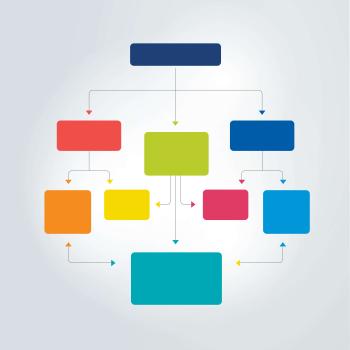
Students write step-by-step instructions on topics of their own choosing. Then using Piktochart, students create their own infographics to illustrate their instructions.

Picture This: Combining Infographics and Argumentative Writing
After researching topics that the students have chosen, students write argumentative essays. Then, using Piktochart, students create their own infographics to illustrate their research.

Exploring Perspectives on Desegregation Using Brown Girl Dreaming
Students read and discuss a selection of poems from Jacqueline Woodson's Brown Girl Dreaming to explore varying views on the process of desegregation in America.

"Blind Date with a Book": Creating Lifelong Readers
This multi-lesson learning project encourages students to read engaging texts at their grade level and also works to promote habitual, independent reading in all students.

Aim for the Heart: Using Haiku to Identify Theme
Using haiku, students focus on themes in literature and demonstrate their understanding of an author's message. Writing haiku to accompany an analytical paper hones analytical skills and fosters creative expression.

For Argument's Sake: Playing "Devil's Advocate" with Nonfiction Texts
Students learn how to play "devil's advocate" by evaluating sports reforms, reading an engaging non-fiction article, and participating in a town hall meeting in which they represent the interests of various stakeholders to generate debate and develop critical thinking skills.
Summarizing with Haikus
Using the Haiku Poem App or the Haiku Poem Interactive, students summarize papers they have written using the traditional format of a haiku.

From Quantitative to Qualitative: Writing Descriptions of Data From Tables
Students develop quantitative reasoning and critical thinking by analyzing descriptions tables for content, language, and organization with a particular focus on verb tense selection, and then writing descriptions of tables themselves.

Getting Graphic with Alternative Energy Sources
After researching alternative sources of energy, students create online comic books to present their information.

Fashion Fun with Fossil Fuels
After researching specific fossil fuel issues, students create their own clothing brands that express their opinions about the issues and then share their information and clothing line using either PowerPoint or Prezi.

Poppin' Fun with Physical and Chemical Changes
Students will enjoy learning about physical and chemical changes as they turn their own photos into a narrated video using the iPad app SonicPics to illustrate (and eat) their results from a popcorn lab.

Developing Aesthetic Criteria: Using Music to Move Beyond Like/Dislike with Poetry
In this lesson, students develop the cognitive tool of criteria development for discussing the aesthetics of poetry and music.

Persuade Me in Five Slides! Creating Persuasive Digital Stories
After students write persuasive essays, use this lesson to challenge them to summarize their essays concisely by creating five-slide presentations.

Making the Cut: Revising Memoirs by Detecting Clutter and Confusion
Students improve a slide show by removing pictures. Their reasons for cutting pictures are translated into revision guidelines for cutting unnecessary words and sections from their rough drafts.

Investigating Animals: Using Nonfiction for Inquiry-based Research
Inspired by their curiosity about animals, students work together to research an animal of their choice and present the information they gather to an authentic audience.

Adventures in Nonfiction: A Guided Inquiry Journey
Students are guided through an informal exploration of nonfiction texts and child-oriented Websites, learning browsing and skimming techniques for the purpose of gathering interesting information.

A Getting-Acquainted Activity Using My Teacher's Secret Life
Students build classroom community as they get to know each other and their teacher better by sharing what they like to do outside school.

Become a Character: Adjectives, Character Traits, and Perspective
Students "become" one of the major characters in a book and describe themselves and other characters, using lists of accurate, powerful adjectives.