Students read and discuss literature about intolerance and diversity. They work with a partner to write two-voice poems that illustrate situations of intolerance at their school and suggest a step toward acceptance.
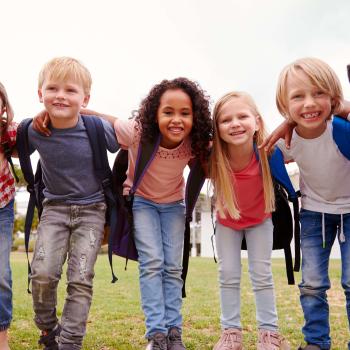
Moving Toward Acceptance Through Picture Books and Two-Voice Texts

Vocabulary Solutions: A Mixture of Science, Conversation, and Writing
In this lesson, students conduct a science experiment and later discuss the events of the lab during shared writing. Students explain the procedure in their own words and then revise to include content specific vocabulary. Finally, students reflect on new words added to their writing using the Trading Card Creator interactive.

Writing Acrostic Poems with Thematically Related Texts in the Content Areas
Students read thematically related texts, scaffolded from simple to complex, to help them gather necessary concept vocabulary and background knowledge in a content area. They then write acrostic poems to organize and present their learning in a creative way.

Charlotte is Wise, Patient, and Caring: Adjectives and Character Traits
Students find examples of adjectives in a shared reading. Then students "become" major characters in a book and describe themselves and other characters, using powerful adjectives.
Powerful Writing: Description in Creating Monster Trading Cards
Students create their own monster trading cards using "powerful," vivid language to describe their creatures.
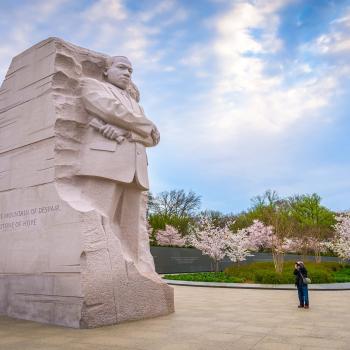
How Big Are Martin's Big Words? Thinking Big about the Future
Inspired by the book Martin's Big Words, students explore information on Dr. King to think about his "big" words, then they write about their own "big" words and dreams.

Poetry from Prose
Working in small groups, students compose found and parallel poems based on a descriptive passage they have chosen from a piece of literature they are reading.

Learning to Learn with Miss Alaineus: A Vocabulary Disaster
Modeled on the activities in Miss Alaineus: A Vocabulary Disaster, a picture book, students combine vocabulary exploration with word play by planning their own vocabulary parade.
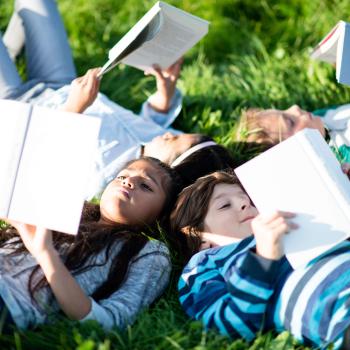
Literature Circles: Getting Started
Students practice different ways of collaborating to read a work of literature. They work in different roles as they compose and answer questions, discover new vocabulary, and examine literary elements.
Read Across America Day: Celebrate a Nation of Diverse Readers
Bring the celebration of reading and literacy into your classroom, library, school, and home all year long.
2025 NCTE Annual Convention
Each November thousands of literacy educators from across the country make the journey to a Convention that inspires their practice and rejuvenates their profession.
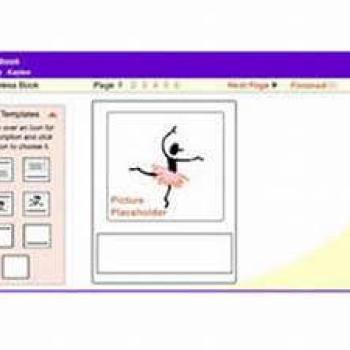
Stapleless Book
The Stapleless Book can be used for taking notes while reading, making picture books, collecting facts, or creating vocabulary booklets . . . the possibilities are endless!

Crossword Puzzles
This tool allows students to complete crossword puzzles on a variety of grade-appropriate topics, and also create and print their own crossword puzzles.
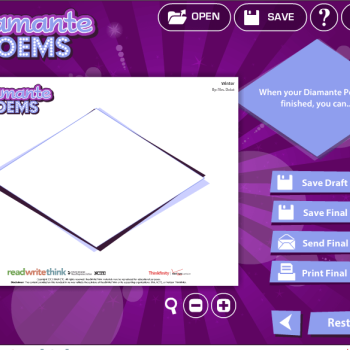
Diamante Poems
This online tool enables students to learn about and write diamante poems.
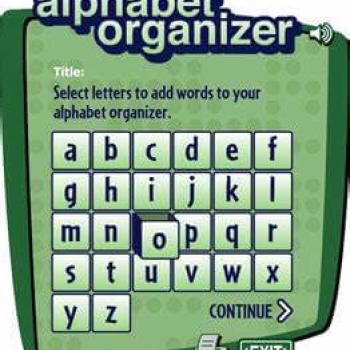
Alphabet Organizer
Students use this online tool to create an alphabet chart or pages for an alphabet book.

Making Connections
In this strategy guide, you'll learn to model how students can make three different kinds of connections (text-to-text, text-to-self, text-to-world). Students then use this knowledge to find their own personal connections to a text.
Developing Academic Vocabulary
In this Strategy Guide Series, you'll find creative and compatible ways to build, maintain, and extend students' vocabulary across academic disciplines.

Using Concept Circles to Develop Academic Vocabulary
In this guide, you will learn how to use the Concept Circles strategy to support vocabulary development and comprehension of complex text.

Using Word Walls to Develop and Maintain Academic Vocabulary
In this guide, you will learn how to use Word Walls to support vocabulary development and retention.
Depend on the Text! How to Create Text-Dependent Questions
Teachers need to create text-dependent questions to elicit close reading. When answering these questions, students learn to reread and think deeply about the text.