Students read and discuss literature about intolerance and diversity. They work with a partner to write two-voice poems that illustrate situations of intolerance at their school and suggest a step toward acceptance.
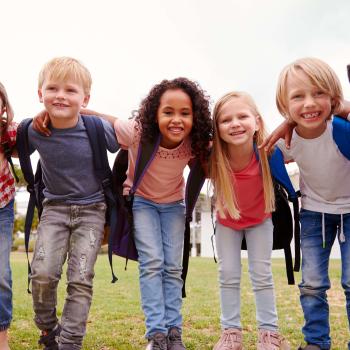
Moving Toward Acceptance Through Picture Books and Two-Voice Texts
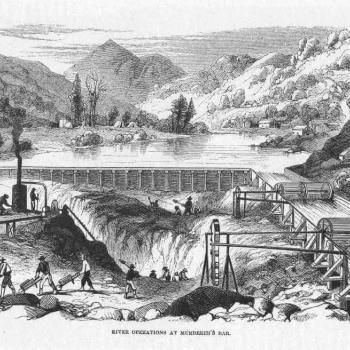
Searching for Gold: A Collaborative Inquiry Project
Each small group of students researches one aspect of the same big topic, such as the Gold Rush, and teaches what they have learned to the rest of the class.
Engaging Students in a Collaborative Exploration of the Gettysburg Address
In small groups, students closely examine one sentence from the Gettysburg Address and create a multigenre project communicating what they have discovered about the meaning and significance of the text.
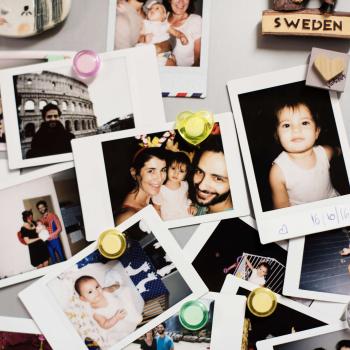
Creating Family Timelines: Graphing Family Memories and Significant Events
Students interview family members, and then create graphic family timelines based on important and memorable family events.

Graphing Plot and Character in a Novel
In this graphical mapping project, students assign a value to the events, characters, and themes in a novel and think about how the elements of the story are all interconnected.
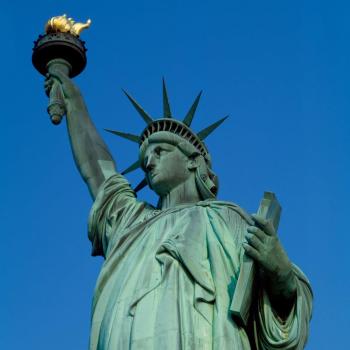
Looking at Landmarks: Using a Picture Book to Guide Research
This lesson uses Ben's Dream by Chris Van Allsburg to highlight ten major landmarks of the world. Students research the landmarks and present their findings to the class.
Looking for the History in Historical Fiction: An Epidemic for Reading
This lesson pairs the reading of historical fiction with nonfiction to introduce students to the large themes of history.

Voting! What's It All About?
Students explore a variety of sources for information about voting. They evaluate the information to determine if it is fact or opinion, and then create a graffiti wall about voting.
Creating Classroom Community by Crafting Themed Poetry Collections
Students create poetry collections with the theme of "getting to know each other." They study and then write a variety of forms of poetry to include in their collections.

Color Poems—Using the Five Senses to Guide Prewriting
Students use their five senses as a prewriting tool to guide their poetry writing as they compose free-form poems using imagery to describe a color.
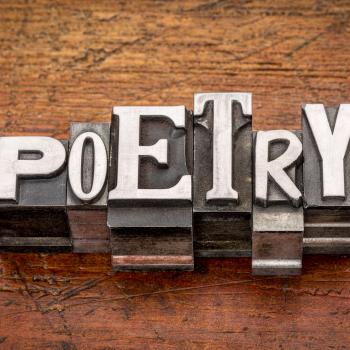
Compiling Poetry Collections and a Working Definition of Poetry
This unit introduces students to a variety of poetic forms and elements, as they compile their own collections of poetry.

Book Report Alternative: Writing Resumes for Characters in Historical Fiction
Students write resumes for historical fiction characters. They first explore help wanted ads to see what employers want, and then draft resumes for the characters they've chosen.
Writing Acrostic Poems with Thematically Related Texts in the Content Areas
Students read thematically related texts, scaffolded from simple to complex, to help them gather necessary concept vocabulary and background knowledge in a content area. They then write acrostic poems to organize and present their learning in a creative way.

Captioning the Civil Rights Movement: Reading the Images, Writing the Words
Teachers guide students to carefully view images from the Civil Rights Movement and write captions that accurately describe the images and/or their probable purposes.

Myth and Truth: Independence Day
By exploring myths and truths surrounding Independence Day, students think critically about commonly believed stories regarding the beginning of the Revolutionary War and the Independence Day holiday.

Letter Poems Deliver: Experimenting with Line Breaks in Poetry Writing
Students explore letter poems and experiment with writing letters as poems, using the placement of line breaks to enhance rhythm, sound, meaning, and appearance.
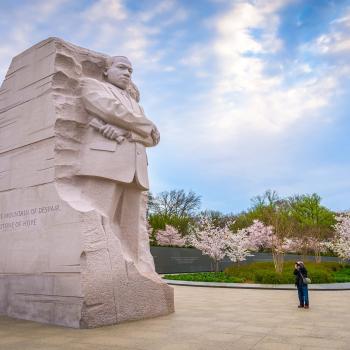
How Big Are Martin's Big Words? Thinking Big about the Future
Inspired by the book Martin's Big Words, students explore information on Dr. King to think about his "big" words, then they write about their own "big" words and dreams.
What Makes Poetry? Exploring Line Breaks
Students read various poems and explore why lines are broken where they are and how they affect rhythm, sound, meaning, and appearance in poetry.
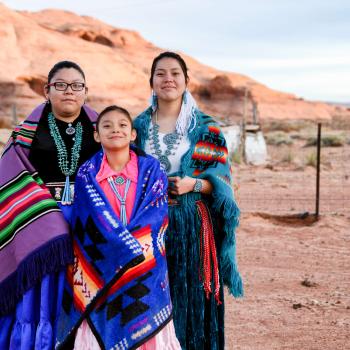
Native Americans Today
This lesson challenges students' views of Native Americans as a vanished people by asking them to compare their prior knowledge with information they gather while reading about contemporary Native Americans.
Poetry from Prose
Working in small groups, students compose found and parallel poems based on a descriptive passage they have chosen from a piece of literature they are reading.