Students in grades 4 and 5 discuss inferential comprehension and visualization as they use a think-aloud questioning strategy to develop a deeper understanding of a historical novel.

Using Historical Fiction to Learn About the Civil War

Using Science Texts to Teach the Organizational Features of Nonfiction
Students explore organizational features of nonfiction science. Students then work together to create a two-page spread using those features to present information about their local environment.
Q is for Duck: Using Alphabet Books With Struggling Writers
A is for zoo? Q is for duck? The alphabet as students know it is transformed when students create a class book that contains clever associations for each letter of the alphabet.

Questioning: A Comprehension Strategy for Small-Group Guided Reading
Students learn about the process of questioning and using webs to organize information during reading and then practice writing factual and inferential questions.

A Bad Case of Bullying: Using Literature Response Groups
Students learn how to effectively deal with bullying by participating in literature response groups and writing about when they experienced a similar situation or emotion as a fictional character.
Applying Question-Answer Relationships to Pictures
A picture is worth a thousand words as students are guided in viewing wordless picture books and responding to four different types of questions about the images they see.
Thundering Tall Tales: Using Read-Aloud as a Springboard to Writing
Imagination and application are key to this tall tale lesson in which students take what they know about tall tales to spin a yarn of their own.

Developing Students' Critical Thinking Skills Through Whole-Class Dialogue
"That's my position and I'm sticking to it!" After reading about the Korean War, students will take a position in response to an open-ended question, support their position, and evaluate that support.

Pourquoi Stories: Creating Tales to Tell Why
Where did the stars come from? What makes lightning and thunder? Pourquoi tales are narratives developed by various cultures around the world to explain natural phenomena. Students study three tales and learn about their cultures of origin, then work cooperatively to write and present an original pourquoi tale.

Artistic Elements: Exploring Art Through Descriptive Writing
Paint a vivid picture in your reader's mind with good descriptive writing! Artwork provides the perfect starting point for practicing descriptive writing that conveys color, shape, line, and mood.

Sequencing: A Strategy to Succeed at Reading Comprehension
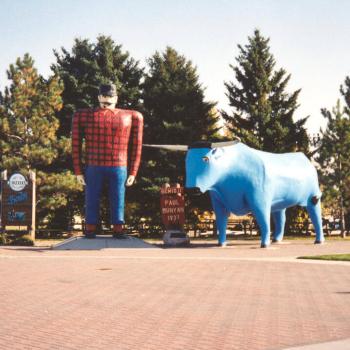
Did Paul Bunyan gouge out the Grand Canyon before or after he dug the Great Lakes? Students create a life-sized timeline showing the sequence of events in this tall tale.
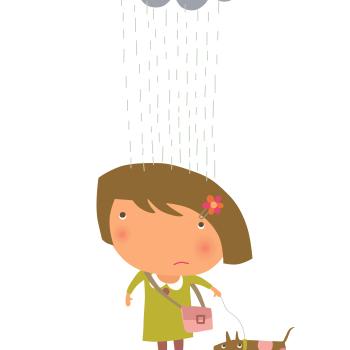
Exploring the Subtext Strategy: Thinking Beyond the Text
What is it like to have a terrible, horrible, no good, very bad day? Students find out in this lesson in which they "become" the characters in Judith Viorst's book.

Developing a Living Definition of Reading in the Elementary Classroom
Using the guiding question, "What is reading?" students interact with a variety of texts as they uncover the skills necessary to interact with texts and develop a definition of reading.

Blogging in the Primary Grades? Yes, Indeed!
Give students an authentic reason to read and write by researching blogs written by their peers around the world and then writing their own.

The Houdini Box: What Did Houdini Hide? Writing Creative Endings
Students are encouraged to understand a book that the teacher reads aloud to create a new ending for it using the writing process.

Going Digital: Using e-Book Readers to Enhance the Reading Experience
Students use various tools and features of digital readers to develop vocabulary, support comprehension, respond to text, improve fluency, and enhance the reading experience.

Reading Idol! Bringing Readers Theatre Center Stage in Your Classroom
Students produce a Readers Theatre performance to compete to be named the Reading Idol. Students vote on the final performances and record them as podcasts.

Using American Sign Language to Improve Comprehension and Vocabulary
American Sign Language is combined with the hilarious poetry and pictures of Sam's Sandwich, a lift-the-flap book, to engage all types of learners in acquiring key vocabulary.

Using Children's Literature to Develop Classroom Community
Conversation and cooperation bring out the best in students when they hold dialogues about their individual strengths, abilities, and talents.

Integrating Literacy Into the Study of the Earth's Surface
Water covers 71% of the earth's surface—does it get the instructional time it deserves in your busy curriculum? Students wade right in to the study of bodies of water as they read and discuss science trade books and work together to develop Readers Theater scripts based on selected titles.