Students are often asked to perform speeches, but rarely do we require students to analyze speeches as carefully as we study works of literature. In this unit, students are required to identify the rhetorical strategies in a famous speech and the specific purpose for each chosen device. They will write an essay about its effectiveness and why it is still famous after all these years.

Analyzing Famous Speeches as Arguments
Brave New Words: Novice Lexicography and the Oxford English Dictionary
Students become novice lexicographers as they explore recent new entries to the dictionary, learn the process of writing entries for the Oxford English Dictionary, and write a new entry themselves.

Brochures: Writing for Audience and Purpose
Students create brochures on the same topic as another piece of writing they have done, highlighting how shifting purposes and audiences creates changes in their strategies as writers.

Family Memoir: Getting Acquainted With Generations Before Us
Creating a memoir of an older family member allows students both to learn more about their own backgrounds and to learn the power of storytellers.

The Feature Story—Fifteen Minutes (and 500 Words) of Fame!
Students learn how to differentiate between a news story and a feature story by writing a profile of a classmate.
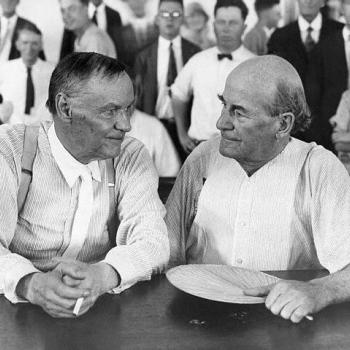
Exploring Audience and Purpose with a Single Issue
Students explore the concepts of audience and purpose by focusing on an issue that divided Americans in 1925, the debate of evolution versus creationism raised by the Scopes Monkey Trial.
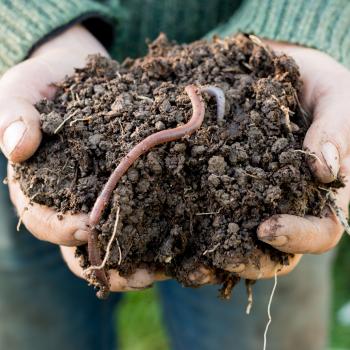
Digging Up Details on Worms: Using the Language of Science in an Inquiry Study
This lesson, in which students research worms in order to create a classroom habitat, incorporates reading and writing across content areas as well as math and science activities.

Exploring Language and Identity: Amy Tan's "Mother Tongue" and Beyond
Students explore the idea of "different Englishes" by reading Amy Tan's "Mother Tongue" and writing literacy narratives about their own use of different language for different audiences and purposes.

Comparing Fiction and Nonfiction with "Little Red Riding Hood Text" Sets
Students discuss and compare differing versions of "Little Red Riding Hood" and other tales about wolves in cumulative read-aloud sessions and text set explorations.

Using Student-Centered Comprehension Strategies with Elie Wiesel's Night
Working in small groups, students read and discuss Elie Wiesel's memoir Night and then take turns assuming the "teacher" role, as the class works with four different comprehension strategies.

So What Do You Think? Writing a Review
Writing a review of an author's work challenges students to develop their critical thinking skills. It provides an opportunity for students to speak their mindsand to enjoy being heard.

Our Community: Creating ABC Books as Assessment
Students create alphabet books, which are used as an integrated assessment with science, health, social studies, and any other content area. This lesson plans looks at the theme of community.

Paying Attention to Technology: Reviewing a Technology
Students read and analyze technology reviews to establish the characteristics of the genre. They then compose their own reviews on a technology of their choice.

Argument, Persuasion, or Propaganda? Analyzing World War II Posters
Students analyze World War II posters, as a group and then independently, to explore how argument, persuasion and propaganda differ.

Exploring Sets through Math-Related Book Pairs
After reading two math-related books, students investigate their home and school environments to find examples of objects that come in sets and then create their own books on sets.

Creating Question and Answer Books through Guided Research
This series of activities is designed to teach research strategies. Students use KWL charts to guide their inquiry and publish their results in a collaborative question and answer book.

Animal Study: From Fiction to Facts
Students listen to fiction and nonfiction read-alouds and explore selected Websites to identify factual information about animals. This lesson focuses on ants, but can be adapted to any animal.
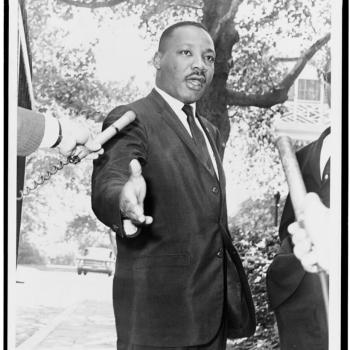
Martin Luther King, Jr. and Me: Identifying with a Hero
This lesson provides ideas for celebrating Martin Luther King, Jr. Day by encouraging students to explore the connections between Dr. King and themselves through journaling and inquiry-based research.

Prove It!: A Citation Scavenger Hunt
Students are challenged to find citations that support details about the characters, plot, or themes from a text.

Blending the Past with Today's Technology: Using Prezi to Prepare for Historical Fiction
To prepare for literature circles featuring historical novels, students research the decades of the 1930s to the 1990s and share their information using Prezi, a web application for creating multimedia presentations.