Students use various tools and features of digital readers to develop vocabulary, support comprehension, respond to text, improve fluency, and enhance the reading experience.

Going Digital: Using e-Book Readers to Enhance the Reading Experience

Using American Sign Language to Improve Comprehension and Vocabulary
American Sign Language is combined with the hilarious poetry and pictures of Sam's Sandwich, a lift-the-flap book, to engage all types of learners in acquiring key vocabulary.

Rain, Ice, Steam: Using Reading to Support Inquiry About the Water Cycle
Water is always moving in a continuous cycle from liquid to solid to gas and back again. Students study this never-ending cycle through shared readings, center activities, and experiments.

Shhh! Bear's Sleeping: Learning About Nonfiction and Fiction Using Read-Alouds
Students explore the distinction between the fiction story Bear Snores On and the nonfiction book Every Autumn Comes the Bear.

Descriptive Writing and the 100th Day of School
Students write descriptions of 100th day bottles they create at home, write clues about their bottles for a guessing game, practice descriptive writing, and create a class book.

Shared Poetry Reading: Teaching Print Concepts, Rhyme, and Vocabulary
The rhyme and reason behind this lesson is that students will need to develop important reading skills to increase their reading fluency.
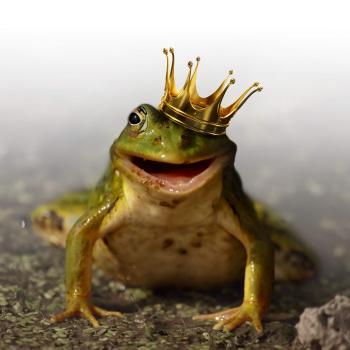
Teaching About Story Structure Using Fairy Tales
From "once upon a time" to "happily ever after," students learn to recognize story structure in fairy tales and create a logical sequence of events when writing original stories.

I Wonder: Writing Scientific Explanations With Students
Students choose a question to explore, research it using a variety of resources, organize their information on a TCF chart, and then collaboratively write a class scientific explanation.

Lights, Camera, Action...Music: Critiquing Films Using Sight and Sound
Movie music and magic set the scene for this lesson in which students analyze a scene from Good Morning, Vietnam and then create a scene of their own.
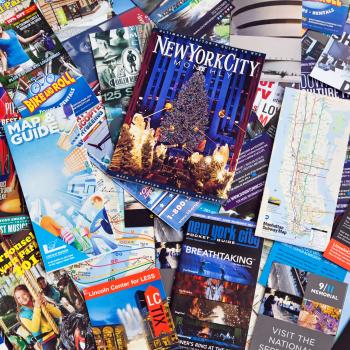
All About Our Town: Using Brochures to Teach Informational Writing
Students explore their towns' landmarks, symbols, and people; look at brochures and other informational tools; practice writing for a specific audience and revising; and work collaboratively to create a brochure.
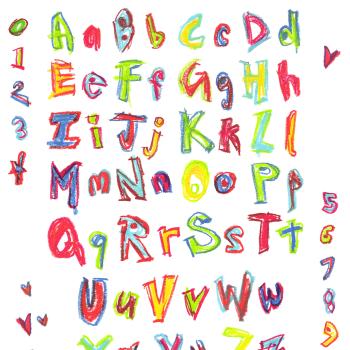
Alphabetizing With Original Stories
Students write original stories using alphabetical order, beginning each page with a new letter, and then illustrate their texts in class or at home with their families.

Poetry: Sound and Sense
Students' groans about studying poetry may disappear with this lesson in which students read poetry from various writers and use these poems to examine the sounds and sense of language.
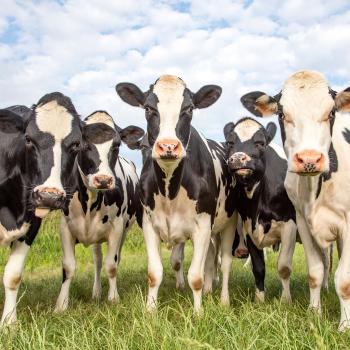
Learning About Word Families with Click, Clack, Moo
Using text from Doreen Cronin's Click, Clack, Moo: Cows That Type as shared readings, first-grade students learn word families and how to decode new words in a word family.
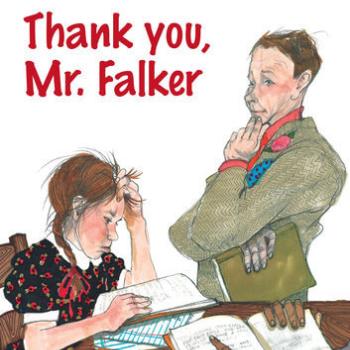
Digging Deeper: Developing Comprehension Using Thank You, Mr. Falker
A read-aloud of Patricia Polacco's Thank You, Mr. Falker helps promote deeper comprehension through questioning to achieve personal connections and discussions of character and theme.

The Pros and Cons of Discussion
Students use a Discussion Web to engage in meaningful discussion of the question, "Are people equal?"

Integrating Language Arts: If You Give a Mouse a Cookie
This lesson integrates reading, writing, listening, and speaking to boost students' comprehension skills. Students explore Laura Joffe Numeroff 's If You Give a Mouse a Cookie using a variety of techniques, beginning with a picture walk and ending with the creation and publication of their own versions of the text.

Word Study with Henry and Mudge
Henry and Mudge is used in this lesson to build students' word recognition through rereading, high-frequency word banks, word studies, and writing.

Review Redux: Introducing Literary Criticism Through Reception Moments
Literature takes on a life of its own as students take a hands-on approach to exploring A Raisin in the Sun for cultural and historical context.

Teaching Shapes Using Read-Alouds, Visualization, and Sketch to Stretch
Visual clues in winter-themed books used in this lesson encourage students to make real-world math connections.

And the Question Is... Writing Good Survey Questions
There's no question that students will be able to compose good survey questions by the end of this lesson.