ReadWriteThink - Powered by NCTE
  • About
  • Classroom Resources
    • Lesson Plans
    • Teaching Comics
    • Teaching With Primary Resources
    • Calendar
    • Printouts
    • Student Interactives
  • Collections
    • Assessment
    • Authors
    • Booklists
    • Media Literacy
    • Poetry
    • Primary Sources
    • Writing
  • Professional Development
    • Strategy Guides
    • Professional Library
    • Meetings & Events
  • Join NCTE
  • Contact Us
  • About
  • Classroom Resources
    • Lesson Plans
    • Teaching Comics
    • Teaching With Primary Resources
    • Calendar
    • Printouts
    • Student Interactives
  • Collections
    • Assessment
    • Authors
    • Booklists
    • Media Literacy
    • Poetry
    • Primary Sources
    • Writing
  • Professional Development
    • Strategy Guides
    • Professional Library
    • Meetings & Events
  • Join NCTE
  • Contact Us
  • Facebook
  • Twitter
  • Instagram
  • Pinterest
  • YouTube

Breadcrumb

  1. Home

Type

  • Classroom Resources
  • Professional Development

Grades

  • 1 (68)
  • 3 (143)
  • 4 (143)
  • 5 (161)
  • 6 (223)
  • 7 (211)
  • 8 (220)
  • 9 (242)
  • 10 (240)
  • 11 (236)
  • 12 (235)
  • K (55)
  • (-) 2 (75)

Learning Objectives

  • collaboration (28)
  • Comprehension (41)
  • critical thinking (33)
  • digital literacy (9)
  • Grammar (5)
  • inquiry / research (10)
  • listening (23)
  • literary analysis (22)
  • Media literacy (8)
  • metacognition (13)
  • multicultural awareness (7)
  • multimodal literacy (8)
  • oral communication (21)
  • phonological awareness (14)
  • print awareness (14)
  • reading fluency (13)
  • reading genres (17)
  • Spelling (10)
  • text structure / story structure (30)
  • Vocabulary (22)
  • writing genres (11)
  • writing process (20)

Topics

  • (-) fiction
  • arts
  • careers
  • community
  • drama
  • ELL
  • Family
  • Mathematics
  • Mobile Learning
  • nonfiction
  • poetry
  • science
  • seasons / holidays
  • social action
  • social studies / history
  • STEM
Going Digital: Using e-Book Readers to Enhance the Reading Experience
Grades
2 - 4
|
Lesson Plan
|
Standard Lesson
Going Digital: Using e-Book Readers to Enhance the Reading Experience
Students use various tools and features of digital readers to develop vocabulary, support comprehension, respond to text, improve fluency, and enhance the reading experience.

Shared Poetry Reading: Teaching Print Concepts, Rhyme, and Vocabulary
Grades
K - 2
|
Lesson Plan
|
Standard Lesson
Shared Poetry Reading: Teaching Print Concepts, Rhyme, and Vocabulary
The rhyme and reason behind this lesson is that students will need to develop important reading skills to increase their reading fluency.
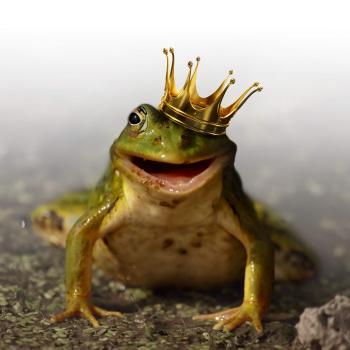
Teaching About Story Structure Using Fairy Tales
Grades
K - 2
|
Lesson Plan
|
Standard Lesson
Teaching About Story Structure Using Fairy Tales
From "once upon a time" to "happily ever after," students learn to recognize story structure in fairy tales and create a logical sequence of events when writing original stories.
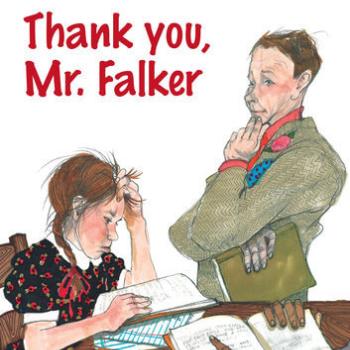
Digging Deeper: Developing Comprehension Using <em>Thank You, Mr. Falker</em>
Grades
K - 4
|
Lesson Plan
|
Standard Lesson
Digging Deeper: Developing Comprehension Using Thank You, Mr. Falker

A read-aloud of Patricia Polacco's Thank You, Mr. Falker helps promote deeper comprehension through questioning to achieve personal connections and discussions of character and theme.

Word Study with <em>Henry and Mudge</em>
Grades
K - 3
|
Lesson Plan
|
Standard Lesson
Word Study with Henry and Mudge

Henry and Mudge is used in this lesson to build students' word recognition through rereading, high-frequency word banks, word studies, and writing.

Family Ties: Making Connections to Improve Reading Comprehension
Grades
K - 2
|
Lesson Plan
|
Standard Lesson
Family Ties: Making Connections to Improve Reading Comprehension
Families are all about connections between people. In this lesson, students read three books about different families and make text-to-self, text-to-text, and text-to-world connections to those texts.
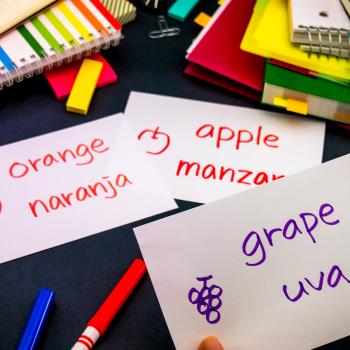
Let's Read It Again: Comprehension Strategies for English-Language Learners
Grades
K - 2
|
Lesson Plan
|
Standard Lesson
Let's Read It Again: Comprehension Strategies for English-Language Learners
Help Spanish-speaking English-language learners unlock the mysteries of their new language by using a bilingual book to recognize unfamiliar words and construct meaning from the text.

Grades
K - 2
|
Lesson Plan
|
Recurring Lesson
Learning Centers: From Shared to Independent Practice
Seven blind mice—see how they spend each day of the week in this lesson that uses the book Seven Blind Mice to guide students through shared reading, writing, and listening activities.
Whole-to-Parts Phonics Instruction: Teaching Letter-Sound Correspondences
Grades
K - 2
|
Lesson Plan
|
Standard Lesson
Whole-to-Parts Phonics Instruction: Teaching Letter-Sound Correspondences
Students will find that learning onset and rime is a handy skill when they read the Jack and Jill rhyme.
Using a Predictable Text to Teach High-Frequency Words
Grades
K - 2
|
Lesson Plan
|
Standard Lesson
Using a Predictable Text to Teach High-Frequency Words
After reading an engaging yet predictable text about a child looking for his cat, students use a similar format and high-frequency words to craft tales about their own lost pets.

Gingerbread Phonics
Grades
K - 2
|
Lesson Plan
|
Standard Lesson
Gingerbread Phonics
"Run, run, as fast as you can." Students use this refrain from The Gingerbread Man to learn letter-sound correspondence. Students use their new skills to write an online story.

From Fact to Fiction: Drawing and Writing Stories
Grades
K - 2
|
Lesson Plan
|
Unit
From Fact to Fiction: Drawing and Writing Stories
Students gather factual information about frogs and toads to create nonfiction and fiction stories. Drawing is used for prewriting.
Getting the <em>ig</em> in Pig: Helping Children Discover Onset and Rime
Grades
K - 2
|
Lesson Plan
|
Standard Lesson
Getting the ig in Pig: Helping Children Discover Onset and Rime
Students will need their language-building hard hats as they construct words using onset and rime, building vocabulary and phonics comprehension.
Choosing the Right Book: Strategies for Beginning Readers
Grades
K - 2
|
Lesson Plan
|
Recurring Lesson
Choosing the Right Book: Strategies for Beginning Readers
Students make purposeful choices for their reading materials, thinking about their reasons for reading a book and using strategies to match books to their abilities.

Using Folk Tales: Vowel Influences on the Letter <em>G</em>
Grades
K - 2
|
Lesson Plan
|
Minilesson
Using Folk Tales: Vowel Influences on the Letter G
Gentle, gigantic, graceful—do these g words describe the giant in Jack and the Beanstalk? Students will explore the hard and soft g sounds by studying fairy tales and animals.
Grades
K - 2
|
Lesson Plan
|
Recurring Lesson
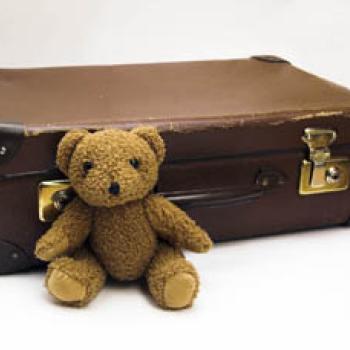
A Journal for Corduroy: Responding to Literature
Connect home and school, literature and life, as students take a storybook character home with them and take turns writing stories about his visit.
Grades
K - 12
|
Student Interactive
|
Organizing & Summarizing
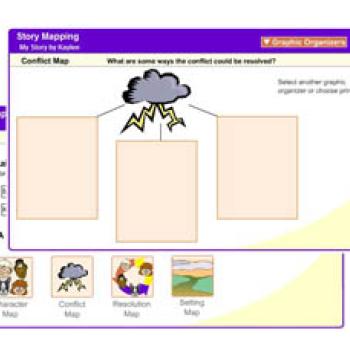
Story Map

The Story Map interactive is designed to assist students in prewriting and postreading activities by focusing on the key elements of character, setting, conflict, and resolution.
The Charlotte Huck Award for Outstanding Fiction for Children is announced today.
Grades
K - 7
|
Calendar Activity
|
Literacy-Related Event
The Charlotte Huck Award for Outstanding Fiction for Children is announced today.

Students read and discuss an award-winning book before writing their own story that demonstrates compassion.

Author E.B. White was born on this day in 1899.
Grades
K - 5
|
Calendar Activity
|
Author & Text
Author E.B. White was born on this day in 1899.
Author E.B. White, most well-known for his famous children's book, Charlotte's Web, received high acclaim and awards for many of his works of fiction.
Today is St. Patrick's Day.
Grades
1 - 12
|
Calendar Activity
|
Holiday & School Celebration
Today is St. Patrick's Day.
St. Patrick's Day is celebrated by reading Irish folk tales and using the Story Cube tool to create a graphic organizer and see what characteristics are unique to Irish tales.

Pagination

  • First page « First
  • Previous page ‹‹
  • Page 1
  • Page 2
  • Page 3
  • Page 4
  • Next page ››
  • Last page Last »

Explore Resources by Grade

  • KindergartenK
  • 1-2
  • 3-4
  • 5-6
  • 7-8
  • 9-10
  • 11-12

RWT-logo

Powered By NCTE

Footer 1 Menu

  • About
  • Classroom Resources
  • Professional Development
  • Collections
  • Contact Us

Footer 2 Menu

  • National Council of Teachers of English
  • Contribute to RWT
  • FAQs
  • Join NCTE

Footer 3 Menu

  • Legal Notices
  • Privacy Policy
  • Promotional Materials
  • Site Demonstrations

Want to stay in touch with RWT and NCTE? Sign up here!

  • Facebook
  • Twitter
  • Instagram
  • Pinterest
  • YouTube

© NCTE 2026. All rights reserved