ReadWriteThink - Powered by NCTE
  • About
  • Classroom Resources
    • Lesson Plans
    • Teaching Comics
    • Teaching With Primary Resources
    • Calendar
    • Printouts
    • Student Interactives
  • Collections
    • Assessment
    • Authors
    • Booklists
    • Media Literacy
    • Poetry
    • Primary Sources
    • Writing
  • Professional Development
    • Strategy Guides
    • Professional Library
    • Meetings & Events
  • Join NCTE
  • Contact Us
  • About
  • Classroom Resources
    • Lesson Plans
    • Teaching Comics
    • Teaching With Primary Resources
    • Calendar
    • Printouts
    • Student Interactives
  • Collections
    • Assessment
    • Authors
    • Booklists
    • Media Literacy
    • Poetry
    • Primary Sources
    • Writing
  • Professional Development
    • Strategy Guides
    • Professional Library
    • Meetings & Events
  • Join NCTE
  • Contact Us
  • Facebook
  • Twitter
  • Instagram
  • Pinterest
  • YouTube

Breadcrumb

  1. Home

Type

  • Classroom Resources
  • Professional Development

Grades

  • 2 (308)
  • 3 (508)
  • 4 (525)
  • 5 (603)
  • 6 (735)
  • 8 (780)
  • 9 (787)
  • 10 (767)
  • 11 (754)
  • 12 (751)
  • K (262)
  • (-) 1 (298)
  • (-) 7 (750)

Learning Objectives

  • collaboration (241)
  • Comprehension (295)
  • critical thinking (395)
  • digital literacy (93)
  • Grammar (31)
  • inquiry / research (222)
  • listening (111)
  • literary analysis (159)
  • Media literacy (123)
  • metacognition (207)
  • multicultural awareness (64)
  • multimodal literacy (163)
  • oral communication (142)
  • phonological awareness (49)
  • print awareness (65)
  • reading fluency (46)
  • reading genres (176)
  • Spelling (43)
  • text structure / story structure (136)
  • Vocabulary (129)
  • writing genres (208)
  • writing process (218)

Topics

  • arts
  • careers
  • community
  • drama
  • ELL
  • Family
  • fiction
  • Mathematics
  • Mobile Learning
  • nonfiction
  • poetry
  • science
  • seasons / holidays
  • social action
  • social studies / history
  • Sports
  • STEM
Once Upon a Fairy Tale: Teaching Revision as a Concept
Grades
6 - 8
|
Lesson Plan
|
Standard Lesson
Once Upon a Fairy Tale: Teaching Revision as a Concept
Students use fractured fairy tales to practice revision and editing as separate activities when they write their own versions of fairy tales.
Entering History: Nikki Giovanni and Martin Luther King, Jr.
Grades
6 - 8
|
Lesson Plan
|
Standard Lesson
Entering History: Nikki Giovanni and Martin Luther King, Jr.
Nikki Giovanni's poem "The Funeral of Martin Luther King, Jr." is paired with Dr. King's "I Have a Dream" speech, taking students on a quest through time to the Civil Rights movement.
Travel Brochures: Highlighting the Setting of a Story
Grades
6 - 8
|
Lesson Plan
|
Standard Lesson
Travel Brochures: Highlighting the Setting of a Story
Readers are often transported to the places mentioned in texts through words and descriptions. This lesson invites students to create travel brochures about the setting of texts they have read.

Book Report Alternative: Creating a Childhood for a Character
Grades
6 - 8
|
Lesson Plan
|
Standard Lesson
Book Report Alternative: Creating a Childhood for a Character
Students explore familiar literary characters, usually first encountered as adults, but whose childhood stories are only told later. Students then create childhoods for adult characters from books of their choice.

Campaigning for Fair Use: Public Service Announcements on Copyright Awareness
Grades
6 - 8
|
Lesson Plan
|
Unit
Campaigning for Fair Use: Public Service Announcements on Copyright Awareness
Students explore a range of resources on fair use and copyright then design their own audio public service announcements (PSAs), to be broadcast over the school's public address system.
Alphabiography Project: Totally You
Grades
6 - 8
|
Lesson Plan
|
Standard Lesson
Alphabiography Project: Totally You
The traditional autobiography writing project is given a twist as students write alphabiographies—recording an event, person, object, or feeling associated with each letter of the alphabet.

Book Report Alternative: A Character's Letter to the Editor
Grades
6 - 8
|
Lesson Plan
|
Standard Lesson
Book Report Alternative: A Character's Letter to the Editor
Students write a persuasive letter to the editor of a newspaper from a selected fictional character's perspective, focusing on a specific issue or situation explored in the novel.
Finding the Science Behind Science Fiction through Paired Readings
Grades
6 - 8
|
Lesson Plan
|
Standard Lesson
Finding the Science Behind Science Fiction through Paired Readings
Students read science fiction texts and then use nonfiction texts to extrapolate the scientific principles presented as they discuss the "what ifs" within the context of scientific principles.
Digging Up Details on Worms: Using the Language of Science in an Inquiry Study
Grades
K - 2
|
Lesson Plan
|
Standard Lesson
Digging Up Details on Worms: Using the Language of Science in an Inquiry Study
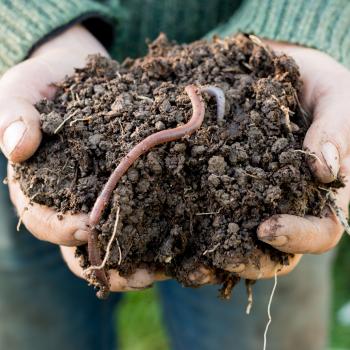
This lesson, in which students research worms in order to create a classroom habitat, incorporates reading and writing across content areas as well as math and science activities.

Plot Structure: A Literary Elements Mini-Lesson
Grades
6 - 8
|
Lesson Plan
|
Standard Lesson
Plot Structure: A Literary Elements Mini-Lesson

Students learn that the plot structure described by Freytag's Pyramid is actually quite familiar as they diagram the plots of a familiar story, a television show, and a narrative poem.

Choosing One Word: Summarizing Shel Silverstein's "Sick"
Grades
1 - 2
|
Lesson Plan
|
Standard Lesson
Choosing One Word: Summarizing Shel Silverstein's "Sick"
Students select what they believe to be the most important word in a text that they have read and justify their choice using examples from the text.
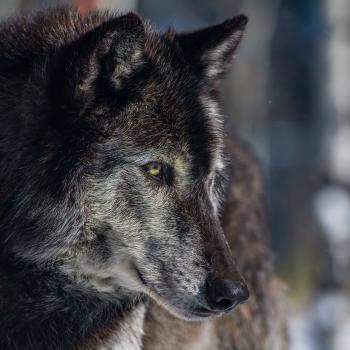
Comparing Fiction and Nonfiction with "Little Red Riding Hood Text" Sets
Grades
K - 2
|
Lesson Plan
|
Unit
Comparing Fiction and Nonfiction with "Little Red Riding Hood Text" Sets
Students discuss and compare differing versions of "Little Red Riding Hood" and other tales about wolves in cumulative read-aloud sessions and text set explorations.
Investigating Names to Explore Personal History and Cultural Traditions
Grades
6 - 8
|
Lesson Plan
|
Standard Lesson
Investigating Names to Explore Personal History and Cultural Traditions
Students investigate the meanings and origins of their names in order to establish their own personal histories and to explore the cultural significance of naming traditions.

Literature Circle Roles Reframed: Reading as a Film Crew
Grades
6 - 8
|
Lesson Plan
|
Standard Lesson
Literature Circle Roles Reframed: Reading as a Film Crew
Capture students' enthusiasm for film and transfer it to reading and literature by substituting film production roles for the traditional literature circle roles.
On a Musical Note: Exploring Reading Strategies by Creating a Soundtrack
Grades
6 - 8
|
Lesson Plan
|
Standard Lesson
On a Musical Note: Exploring Reading Strategies by Creating a Soundtrack
Students create a soundtrack for a novel that they have read, as they engage in such traditional reading strategies as predicting, visualizing, and questioning.

You Know the Movie is Coming—Now What?
Grades
6 - 8
|
Lesson Plan
|
Standard Lesson
You Know the Movie is Coming—Now What?
In this lesson, students read a literary text with the eye of a director, selecting scenes from the text and putting a cinematic spin on them.
How Does My Garden Grow? Writing in Science Field Journals
Grades
K - 2
|
Lesson Plan
|
Standard Lesson
How Does My Garden Grow? Writing in Science Field Journals
Students plant a garden and study its growth using the inquiry process of questioning and exploring. As they research and study, students record their observations in a field journal.
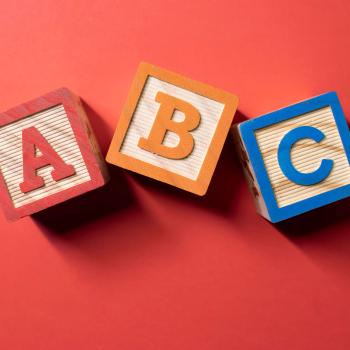
Our Community: Creating ABC Books as Assessment
Grades
K - 2
|
Lesson Plan
|
Standard Lesson
Our Community: Creating ABC Books as Assessment
Students create alphabet books, which are used as an integrated assessment with science, health, social studies, and any other content area. This lesson plans looks at the theme of community.
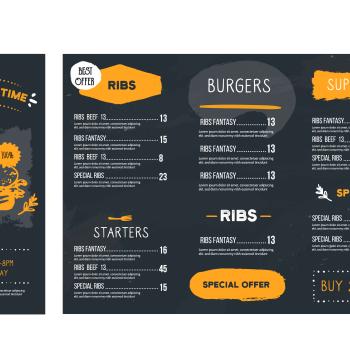
Cooking Up Descriptive Language: Designing Restaurant Menus
Grades
6 - 8
|
Lesson Plan
|
Standard Lesson
Cooking Up Descriptive Language: Designing Restaurant Menus
Students explore the menu genre by analyzing existing menus from local restaurants. They review adjectives and descriptive writing and then work in groups to create their own custom menus.
Focusing Reader Response Through Vocabulary Analysis
Grades
6 - 8
|
Lesson Plan
|
Standard Lesson
Focusing Reader Response Through Vocabulary Analysis
Students suggest and categorize words that they associate with a novel they have recently read, ranging from details about the plot to feelings about a character.

Pagination

  • First page « First
  • Previous page ‹‹
  • Page 1
  • Page 2
  • Page 3
  • Page 4
  • Page 5
  • Page 6
  • Page 7
  • Page 8
  • Page 9
  • …
  • Next page ››
  • Last page Last »

Explore Resources by Grade

  • KindergartenK
  • 1-2
  • 3-4
  • 5-6
  • 7-8
  • 9-10
  • 11-12

RWT-logo

Powered By NCTE

Footer 1 Menu

  • About
  • Classroom Resources
  • Professional Development
  • Collections
  • Contact Us

Footer 2 Menu

  • National Council of Teachers of English
  • Contribute to RWT
  • FAQs
  • Join NCTE

Footer 3 Menu

  • Legal Notices
  • Privacy Policy
  • Promotional Materials
  • Site Demonstrations

Want to stay in touch with RWT and NCTE? Sign up here!

  • Facebook
  • Twitter
  • Instagram
  • Pinterest
  • YouTube

© NCTE 2026. All rights reserved