ReadWriteThink - Powered by NCTE
  • About
  • Classroom Resources
    • Lesson Plans
    • Teaching Comics
    • Teaching With Primary Resources
    • Calendar
    • Printouts
    • Student Interactives
  • Collections
    • Assessment
    • Authors
    • Booklists
    • Media Literacy
    • Poetry
    • Primary Sources
    • Writing
  • Professional Development
    • Strategy Guides
    • Professional Library
    • Meetings & Events
  • Join NCTE
  • Contact Us
  • About
  • Classroom Resources
    • Lesson Plans
    • Teaching Comics
    • Teaching With Primary Resources
    • Calendar
    • Printouts
    • Student Interactives
  • Collections
    • Assessment
    • Authors
    • Booklists
    • Media Literacy
    • Poetry
    • Primary Sources
    • Writing
  • Professional Development
    • Strategy Guides
    • Professional Library
    • Meetings & Events
  • Join NCTE
  • Contact Us
  • Facebook
  • Twitter
  • Instagram
  • Pinterest
  • YouTube

Breadcrumb

  1. Home

Type

  • Classroom Resources
  • Professional Development

Grades

  • 2 (33)
  • 3 (80)
  • 4 (79)
  • 5 (91)
  • 6 (106)
  • 7 (99)
  • 8 (100)
  • 9 (110)
  • 10 (109)
  • 11 (106)
  • 12 (105)
  • K (18)
  • (-) 1 (27)

Learning Objectives

  • (-) critical thinking (27)
  • Comprehension (34)
  • digital literacy (3)
  • Grammar (5)
  • inquiry / research (9)
  • listening (20)
  • literary analysis (21)
  • Media literacy (7)
  • metacognition (13)
  • multicultural awareness (7)
  • multimodal literacy (7)
  • oral communication (18)
  • phonological awareness (14)
  • print awareness (14)
  • reading fluency (12)
  • reading genres (16)
  • Spelling (10)
  • text structure / story structure (30)
  • Vocabulary (18)
  • writing genres (10)
  • writing process (19)

Topics

  • (-) fiction
  • arts
  • careers
  • community
  • drama
  • ELL
  • Family
  • Mathematics
  • Mobile Learning
  • nonfiction
  • poetry
  • science
  • seasons / holidays
  • social action
  • social studies / history
  • STEM
Comparing Fiction and Nonfiction with "Little Red Riding Hood Text" Sets
Grades
K - 2
|
Lesson Plan
|
Unit
Comparing Fiction and Nonfiction with "Little Red Riding Hood Text" Sets
Students discuss and compare differing versions of "Little Red Riding Hood" and other tales about wolves in cumulative read-aloud sessions and text set explorations.

Grades
K - 2
|
Lesson Plan
|
Standard Lesson
Animal Study: From Fiction to Facts
Students listen to fiction and nonfiction read-alouds and explore selected Websites to identify factual information about animals. This lesson focuses on ants, but can be adapted to any animal.
Designing Elements of Story in <i>Little Blue and Little Yellow</i>
Grades
K - 5
|
Lesson Plan
|
Standard Lesson
Designing Elements of Story in Little Blue and Little Yellow
In this series of four lessons, students will explore key elements of design in Little Blue and Little Yellow to learn about setting, character relationships, and plot.
Stapleless Book
Grades
K - 12
|
Student Interactive
|
Writing & Publishing Prose
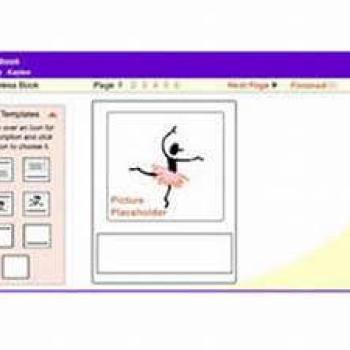
Stapleless Book

The Stapleless Book can be used for taking notes while reading, making picture books, collecting facts, or creating vocabulary booklets . . . the possibilities are endless!
Depend on the Text! How to Create Text-Dependent Questions
Grades
Grades
1 - 3
|
Strategy Guide
Depend on the Text! How to Create Text-Dependent Questions
Teachers need to create text-dependent questions to elicit close reading. When answering these questions, students learn to reread and think deeply about the text.

Promote Deep Thinking! How to Choose a Complex Text
Grades
Grades
1 - 3
|
Strategy Guide
Promote Deep Thinking! How to Choose a Complex Text
Complex texts promote deep thinking and critical analysis by students. Through close reading of a complex text, students' independent reading abilities also increase.

Get Close to Think Deeply: Creating Primary-Level Close Readings
Grades
Grades
1 - 3
|
Strategy Guide
Get Close to Think Deeply: Creating Primary-Level Close Readings
Close readings allow primary students to engage with complex texts. Through repeated reading, students build a deep understanding of the text and critical thinking skills.
Introducing Ideas and Vocabulary with the Concept Sort
Grades
Grades
K - 8
|
Strategy Guide
Introducing Ideas and Vocabulary with the Concept Sort
A Concept Sort is a vocabulary and comprehension strategy used with students to introduce new topics and/or familiarize students with new vocabulary.

Diagram It! Identifying, Comparing, and Writing About Nonfiction Texts
Grades
K - 2
|
Lesson Plan
|
Unit
Diagram It! Identifying, Comparing, and Writing About Nonfiction Texts
Students compare the traits fact and fiction by using a Venn diagram to compare fiction and nonfiction books about Native Americans.

Grades
K - 2
|
Lesson Plan
|
Unit
Junie B. Jones Introduces Literacy Mystery Boxes
Like Junie B. Jones, students will be saying "Wait till you hear this" after listening to a Junie B. story and creating mystery boxes to help retell the story.
Amelia Bedelia Up Close! Closely Reading a Classic Story
Grades
1 - 2
|
Lesson Plan
|
Standard Lesson
Amelia Bedelia Up Close! Closely Reading a Classic Story
Through a close reading of Amelia Bedelia, students reread the material to discuss text-dependent questions, promoting deep thinking about the text and its characters.
Shared Poetry Reading: Teaching Print Concepts, Rhyme, and Vocabulary
Grades
K - 2
|
Lesson Plan
|
Standard Lesson
Shared Poetry Reading: Teaching Print Concepts, Rhyme, and Vocabulary
The rhyme and reason behind this lesson is that students will need to develop important reading skills to increase their reading fluency.

Family Ties: Making Connections to Improve Reading Comprehension
Grades
K - 2
|
Lesson Plan
|
Standard Lesson
Family Ties: Making Connections to Improve Reading Comprehension
Families are all about connections between people. In this lesson, students read three books about different families and make text-to-self, text-to-text, and text-to-world connections to those texts.
Choosing the Right Book: Strategies for Beginning Readers
Grades
K - 2
|
Lesson Plan
|
Recurring Lesson
Choosing the Right Book: Strategies for Beginning Readers
Students make purposeful choices for their reading materials, thinking about their reasons for reading a book and using strategies to match books to their abilities.
The Charlotte Huck Award for Outstanding Fiction for Children is announced today.
Grades
K - 7
|
Calendar Activity
|
Literacy-Related Event
The Charlotte Huck Award for Outstanding Fiction for Children is announced today.

Students read and discuss an award-winning book before writing their own story that demonstrates compassion.

Today is St. Patrick's Day.
Grades
1 - 12
|
Calendar Activity
|
Holiday & School Celebration
Today is St. Patrick's Day.
St. Patrick's Day is celebrated by reading Irish folk tales and using the Story Cube tool to create a graphic organizer and see what characteristics are unique to Irish tales.
In 1564, William Shakespeare was born on this day.
Grades
1 - 12
|
Calendar Activity
|
Author & Text
In 1564, William Shakespeare was born on this day.

Based on grade level, students learn about rhyming structure, experiment with the Shakespearean Insult Kit, or study scenes from Othello and watch an adaptation of that scene from the movie O.
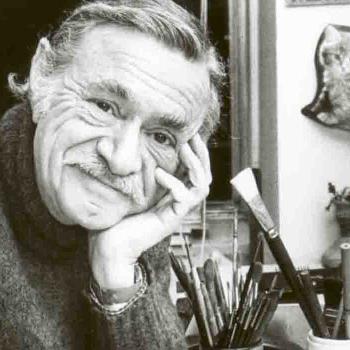
Ezra Jack Keats was born on this day in 1916.
Grades
K - 12
|
Calendar Activity
|
Author & Text
Ezra Jack Keats was born on this day in 1916.
In celebration of Keats' birthday, students write stories that include some characters from Keats' books and practice using collage techniques with the Collage Machine.
Grades
1 - 6
|
Calendar Activity
|
Author & Text
The Beverly Cleary Sculpture Garden was dedicated on October 13, 1995.
Students select characters that they believe are the most memorable from Cleary's books and write short persuasive essays to explain their choices.
Barbara Park, author of the Junie B. Jones series, was born on this day.
Grades
1 - 6
|
Calendar Activity
|
Author & Text
Barbara Park, author of the Junie B. Jones series, was born on this day.
Students write their own "Junie B." stories, based on the Junie B. Jones series, after brainstorming issues they've experienced during the school year.

Pagination

  • Page 1
  • Page 2
  • Next page ››
  • Last page Last »

Explore Resources by Grade

  • KindergartenK
  • 1-2
  • 3-4
  • 5-6
  • 7-8
  • 9-10
  • 11-12

RWT-logo

Powered By NCTE

Footer 1 Menu

  • About
  • Classroom Resources
  • Professional Development
  • Collections
  • Contact Us

Footer 2 Menu

  • National Council of Teachers of English
  • Contribute to RWT
  • FAQs
  • Join NCTE

Footer 3 Menu

  • Legal Notices
  • Privacy Policy
  • Promotional Materials
  • Site Demonstrations

Want to stay in touch with RWT and NCTE? Sign up here!

  • Facebook
  • Twitter
  • Instagram
  • Pinterest
  • YouTube

© NCTE 2026. All rights reserved