Students practice writing detailed, sensory-rich descriptions by framing a small piece of nature and freewriting about it. From this minilesson, students can develop a variety of types of writing.

Creative Writing in the Natural World: A Framing
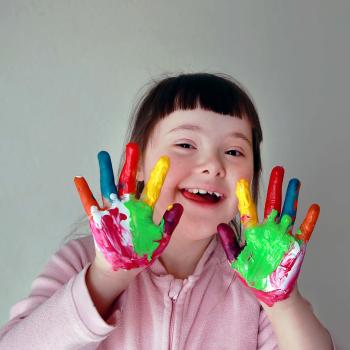
Color My World: Expanding Meaning Potential through Media
Using different writing/drawing materials (e.g., markers, color pencils, pastels, etc.), students learn how to communicate different moods and/or feelings to support their written ideas and how authors do the same through their work.
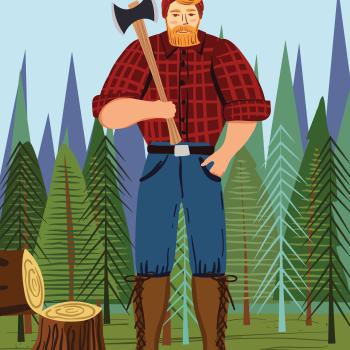
American Folklore: A Jigsaw Character Study
Groups of students read and discuss American folklore stories, each group reading a different story. Using a jigsaw strategy, the groups compare character traits and main plot points of the stories. A diverse selection of American folk tales is used for this lesson, which is adaptable to any text set.

Book Report Alternative: Creating a New Book Cover
Students explore book covers of a variety of books then create a new cover for a book they have read.
Engaging Students in a Collaborative Exploration of the Gettysburg Address
In small groups, students closely examine one sentence from the Gettysburg Address and create a multigenre project communicating what they have discovered about the meaning and significance of the text.

Dear Librarian: Writing a Persuasive Letter
Students write persuasive letters to their librarian requesting that specific texts be added to the school library. As they work, students plan their arguments and outline their reasons and examples.

Characters in Because of Winn-Dixie: Making Lists of Ten
The list of ten things about Opal's absent mother that her father shares in Because of Winn-Dixie serves as inspiration for students to create their own lists describing literary characters.
Bridging Literature and Mathematics by Visualizing Mathematical Concepts
During interactive read-aloud sessions, students identify how an author conveys mathematical information about animals' sizes and abilities. They then conduct research projects focusing on the same mathematical concepts.

Talking, Writing, and Reasoning: Making Thinking Visible with Math Journals
Students explore how their problem-solving strategies work by writing in math journals as they work in small groups to solve a math puzzle with multiple solutions.
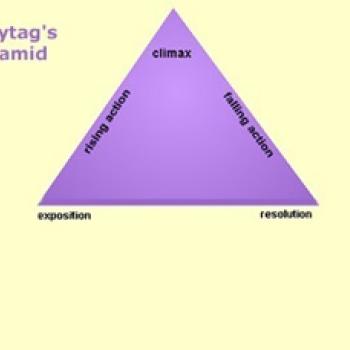
Using Picture Books to Teach Plot Development and Conflict Resolution
Students read picture books to explore the concepts of plot development and conflict resolution. They first learn about the connections between reading and writing, and then revise their own writing.
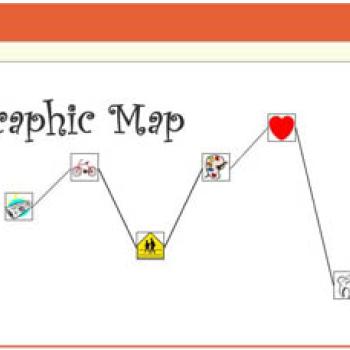
Mapping Characters Across Book Series
Students work on a guided characterization project, using a graphic map to illustrate the ways a character from a book series grows and evolves over the course of the story.
Writing ABC Books to Enhance Reading Comprehension
Using the alphabet as an organizing structure, students analyze literary elements in a book they have read and organize their observations in an alphabet book.
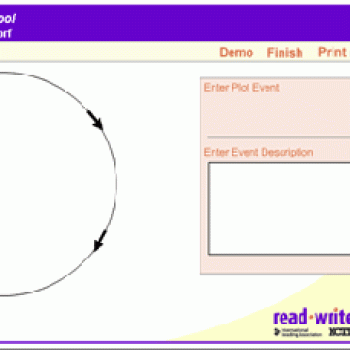
Unwinding A Circular Plot: Prediction Strategies in Reading and Writing
Students use graphic organizers to explore plot in circular stories while focusing on prediction and sequencing. After exploring the features of circular plot stories, students write their own stories.

Genre Study: A Collaborative Approach
Students explore multiple genres through genre studies. They record evidence of genre characteristics on bookmarks as they read, and finish by giving a book review for their classmates.
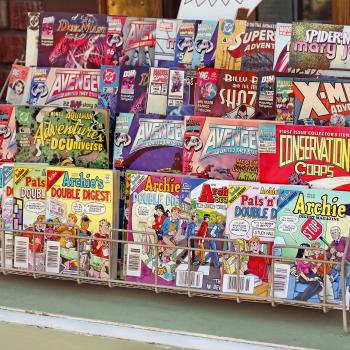
Comics in the Classroom as an Introduction to Narrative Structure
This lesson uses comic strip frames to define plot and reinforce the structure that underlies a narrative. Students finish by writing their own original narratives.

Talking Poetry with Blabberize
Students will be motivated to share their poetry through an online tool the features recording and animation.
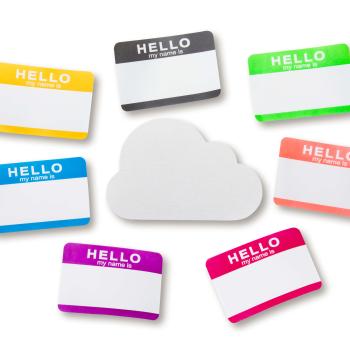
Name Tag Glyphs
In this lesson, students practice a way to communicate without words by using a glyph. They create a name card using information about themselves. Students also interpret glyphs made by others.

Authoring an Epilogue That Helps Our Characters Live On
This lesson uses One Green Apple by Eve Bunting to teach how characters change across a text. It will also guide students through writing an epilogue to accompany their independent book.

Designing Elements of Story in Little Blue and Little Yellow
In this series of four lessons, students will explore key elements of design in Little Blue and
Little Yellow to learn about setting, character relationships, and plot.

Boars and Baseball: Making Connections
In this lesson, students will make text-to-self, text-to-text, and text-to-world connections after reading In the Year of the Boar and Jackie Robinson. After sharing and discussing connections, students choose and plan a project that makes a personal connection to the text.