Students practice writing detailed, sensory-rich descriptions by framing a small piece of nature and freewriting about it. From this minilesson, students can develop a variety of types of writing.

Creative Writing in the Natural World: A Framing
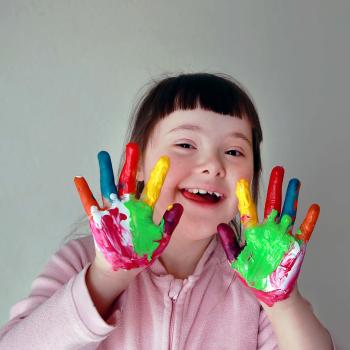
Color My World: Expanding Meaning Potential through Media
Using different writing/drawing materials (e.g., markers, color pencils, pastels, etc.), students learn how to communicate different moods and/or feelings to support their written ideas and how authors do the same through their work.
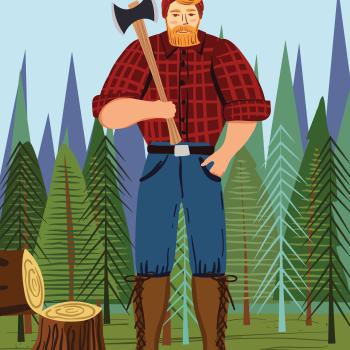
American Folklore: A Jigsaw Character Study
Groups of students read and discuss American folklore stories, each group reading a different story. Using a jigsaw strategy, the groups compare character traits and main plot points of the stories. A diverse selection of American folk tales is used for this lesson, which is adaptable to any text set.

Utilizing Visual Images for Creating and Conveying Setting in Written Text
This lesson supports third-through-sixth grade students as they communicate story setting to their readers through the use of visual image prompts. Activities include individual and cooperative learning group work, as well as whole class discussion.
Prompting Revision through Modeling and Written Conversations
Students create a checklist outlining what effective writers do, revise his or her own writing, and engage in a written conversation to help peers with the revision process.
Moving Toward Acceptance Through Picture Books and Two-Voice Texts
Students read and discuss literature about intolerance and diversity. They work with a partner to write two-voice poems that illustrate situations of intolerance at their school and suggest a step toward acceptance.
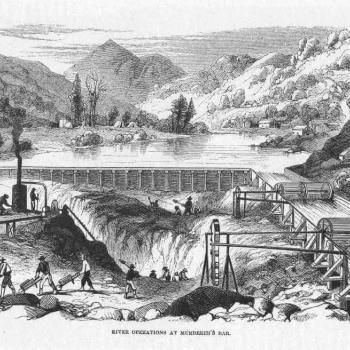
Searching for Gold: A Collaborative Inquiry Project
Each small group of students researches one aspect of the same big topic, such as the Gold Rush, and teaches what they have learned to the rest of the class.

Dear Librarian: Writing a Persuasive Letter
Students write persuasive letters to their librarian requesting that specific texts be added to the school library. As they work, students plan their arguments and outline their reasons and examples.

Graphing Plot and Character in a Novel
In this graphical mapping project, students assign a value to the events, characters, and themes in a novel and think about how the elements of the story are all interconnected.

Our Classroom: Writing an Owner's Manual
Students write an owner's manual that helps them get to know their classroom, provides them with a sense of ownership, and lets others know about their classroom.

Once Upon a Time Rethought: Writing Fractured Fairy Tales
Students read and analyze fairy tales, identifying their common elements. They then write their own "fractured" fairy tales by changing one of the literary elements found in the original.

Literature as a Jumping Off Point for Nonfiction Inquiry
Students use text sets to research a topic inspired by a fiction book they have read. A text set is a collection of multiple text genres with a single focus.
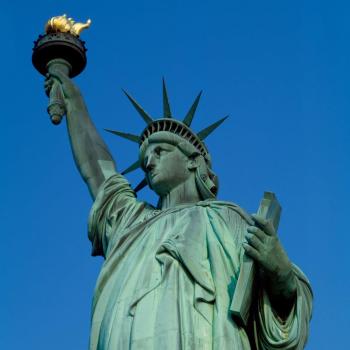
Looking at Landmarks: Using a Picture Book to Guide Research
This lesson uses Ben's Dream by Chris Van Allsburg to highlight ten major landmarks of the world. Students research the landmarks and present their findings to the class.

Question and Answer Books--From Genre Study to Report Writing
After exploring several question and answer books on a variety of topics, students research a topic and create their own class question and answer book.
Bridging Literature and Mathematics by Visualizing Mathematical Concepts
During interactive read-aloud sessions, students identify how an author conveys mathematical information about animals' sizes and abilities. They then conduct research projects focusing on the same mathematical concepts.

Talking, Writing, and Reasoning: Making Thinking Visible with Math Journals
Students explore how their problem-solving strategies work by writing in math journals as they work in small groups to solve a math puzzle with multiple solutions.
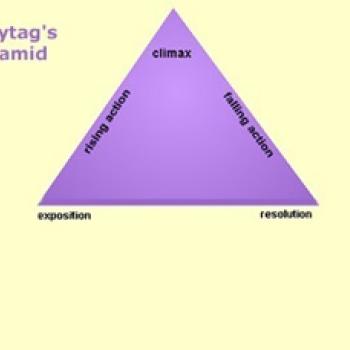
Using Picture Books to Teach Plot Development and Conflict Resolution
Students read picture books to explore the concepts of plot development and conflict resolution. They first learn about the connections between reading and writing, and then revise their own writing.

Examining Plot Conflict through a Comparison/Contrast Essay
Students explore picture books to identify the characteristics of four types of conflict. They then write about a conflict they have experienced and compare it to a conflict from literature.
Weather Detectives: Questioning the Fact and Folklore of Weather Sayings
Students adopt a skeptical stance and become weather detectives who ask "Why?" and "Why not?" as they investigate the history and validity of some common weather sayings.
A Case for Reading - Examining Challenged and Banned Books
Students examine books, selected from the American Library Association Challenged/Banned Books list, and write persuasive pieces expressing their views about what should be done with the books at their school.