Students work on a guided characterization project, using a graphic map to illustrate the ways a character from a book series grows and evolves over the course of the story.
Mapping Characters Across Book Series
Looking for the History in Historical Fiction: An Epidemic for Reading
This lesson pairs the reading of historical fiction with nonfiction to introduce students to the large themes of history.
Writing ABC Books to Enhance Reading Comprehension
Using the alphabet as an organizing structure, students analyze literary elements in a book they have read and organize their observations in an alphabet book.
Color Poems—Using the Five Senses to Guide Prewriting
Students use their five senses as a prewriting tool to guide their poetry writing as they compose free-form poems using imagery to describe a color.
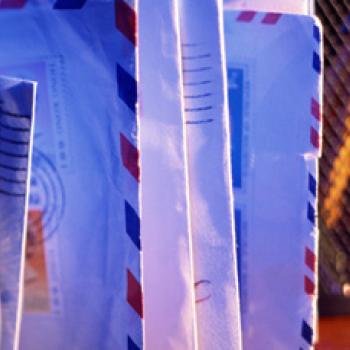
A Genre Study of Letters With The Jolly Postman
Students read The Jolly Postman, in which a postman delivers letters to storybook characters. They explore different types of mail and categorize letters from the book and their own mail.
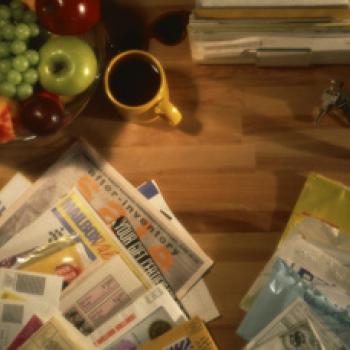
Investigating Junk Mail: Negotiating Critical Literacy at the Mailbox
Students increase their media literacy skills by critically examining and revising junk mail.

Book Report Alternative: Writing Resumes for Characters in Historical Fiction
Students write resumes for historical fiction characters. They first explore help wanted ads to see what employers want, and then draft resumes for the characters they've chosen.
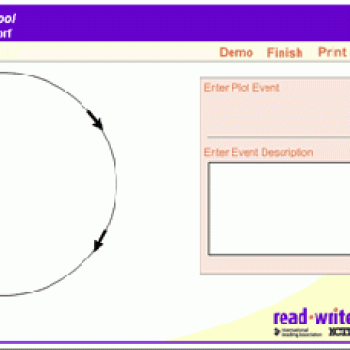
Unwinding A Circular Plot: Prediction Strategies in Reading and Writing
Students use graphic organizers to explore plot in circular stories while focusing on prediction and sequencing. After exploring the features of circular plot stories, students write their own stories.

Teaching the Compare and Contrast Essay through Modeling
The compare and contrast essay is taught through modeling from the brainstorming phase through the first draft.
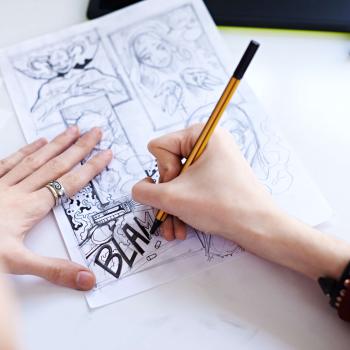
Book Report Alternative: Examining Story Elements Using Story Map Comic Strips
Comic frames are traditionally used to illustrate a story in a short, concise format. In this lesson, students use a six-paneled comic strip frame to create a story map, summarizing a book or story that they've read. Each panel retells a particular detail or explains a literary element (such as setting or character) from the story.
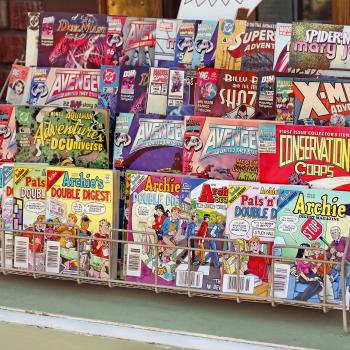
Comics in the Classroom as an Introduction to Narrative Structure
This lesson uses comic strip frames to define plot and reinforce the structure that underlies a narrative. Students finish by writing their own original narratives.
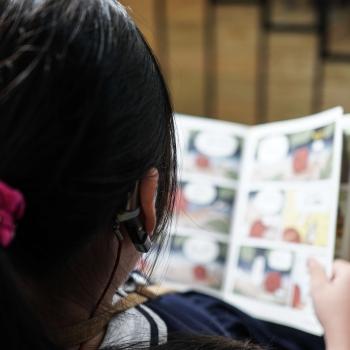
Comics in the Classroom as an Introduction to Genre Study
Multidimensional, challenging, and popular with students, comics provide an excellent way to introduce the concept of genres.
Story Writing from an Object's Perspective
Students explore writing from non-human perspectives through a picture book read aloud, mini-lesson, collaborative writing, and the writing process. Students create "A Day in the Life of…" story about an inanimate object.

Book Report Alternative: Creating Reading Excitement with Book Trailers
In this alternative to the traditional book report, students create book trailers using Microsoft Photo Story 3, a free downloadable software program for digital storytelling.

Talking Poetry with Blabberize
Students will be motivated to share their poetry through an online tool the features recording and animation.
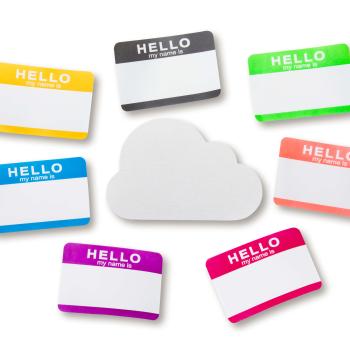
Name Tag Glyphs
In this lesson, students practice a way to communicate without words by using a glyph. They create a name card using information about themselves. Students also interpret glyphs made by others.
Authoring an Epilogue That Helps Our Characters Live On
This lesson uses One Green Apple by Eve Bunting to teach how characters change across a text. It will also guide students through writing an epilogue to accompany their independent book.

Designing Elements of Story in Little Blue and Little Yellow
In this series of four lessons, students will explore key elements of design in Little Blue and
Little Yellow to learn about setting, character relationships, and plot.
A Recipe for Writing: Fairy Tale Feasts
After examining recipes written based on students' favorite fairy tales, students research a recipe related to their favorite story, book, or fairy tale and include it in a classroom recipe book.

Boars and Baseball: Making Connections
In this lesson, students will make text-to-self, text-to-text, and text-to-world connections after reading In the Year of the Boar and Jackie Robinson. After sharing and discussing connections, students choose and plan a project that makes a personal connection to the text.