Journey around the world with students as they read a Japanese, African, or Welsh folk tale, create a visual depiction of the tale, research the tale's culture, and present findings.

Exploring World Cultures Through Folk Tales
The Two Voices of the ow Spelling Pattern
Variable vowels are the focus of this lesson; students use nursery rhymes and ow to study how vowels can change their sounds according to different spelling patterns.

Getting to Know You: Developing Short Biographies to Build Community
How well do your students know their peers? Students transform into investigative reporters as they interview a classmate, compile the biographical data into graphic form, and introduce the student to the class.

A Schema-Building Study With Patricia Polacco
Students use the Semantic Impressions and Possible Sentences strategies to write about Patricia Polacco's books Chicken Sunday and Rechenka's Egg, complete a character study, and write using a WebQuest.

Once They're Hooked, Reel Them In: Writing Good Endings
It's important to "hook" readers at a story's beginning, but it's equally important to keep them interested. In this lesson, students learn to write effective conclusions to their own stories.
Building a Learning Community: Crafting Rules for the Classroom
Students will learn to mind their ps and qs in this lesson on etiquette and appropriate behavior in the classroom.

Is Superman Really All That Super? Critically Exploring Superheroes
What makes a superhero super? By comparing popular culture superheroes with heroic characters in children's literature, students learn to think critically about character traits, and consider how cultural perspectives influence the kinds of heroes we choose.

Exploring Friendship With Bridge to Terabithia
Students make predictions about Bridge to Terabithia and its characters, complete character studies, and relate the characters' experiences to their own as they identify ways to make and keep friends.
Fishing for Readers: Identifying and Writing Effective Opening "Hooks"
Good writers "hook" their readers in the very first sentences. In this lesson, students learn how to cast an attention-grabbing hook in their writing to effectively draw in readers' attention.

Sharing Favorite Books Using Interactive Character Trading Cards
Using selected characters from a text of their choice, students put their literary analysis skills to work by creating fictional character trading cards.
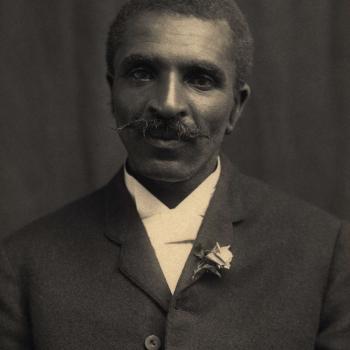
Great American Inventors: Using Nonfiction to Learn About Technology Inventions
Who are the people behind the world's greatest inventions? Students read biographies of a terrific trio of American inventors and create presentations that highlight how their inventions from the past impacted the future.
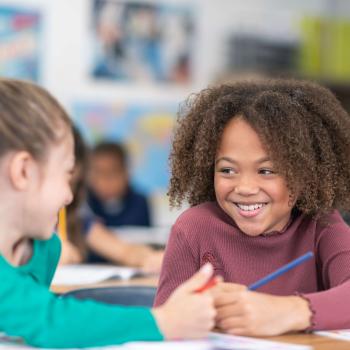
Planning Story Characters Using Interactive Trading Cards
Students use trading cards to examine fictional characters in a story.

Exploring Cause and Effect Using Expository Texts About Natural Disasters
Students explore the nature and structure of expository texts that focus on cause and effect and apply what they learned using graphic organizers and writing paragraphs to outline cause-and-effect relationships.

A Race With Grace: Sports Poetry in Motion
In this lesson, athletics, aesthetics, and poetics intersect in new ways as developing literacy learners experiment together with the forms of language.

Multipurpose Poetry: Introducing Science Concepts and Increasing Fluency
Creepy crawlers, hoppers, and fliers are the focus of this lesson in which students chorally read poems about insects and use the Internet to locate facts about their assigned insects.

Can You Convince Me? Developing Persuasive Writing
Through a classroom game and resource handouts, students learn about the techniques used in persuasive oral arguments and apply them to independent persuasive writing activities.

Exploring Compare and Contrast Structure in Expository Texts
Students build their understanding of the terms compare and contrast by participating in class discussions, using Internet resources, working collaboratively, and by visually representing information in a Venn diagram.
Flying to Freedom: Tar Beach and The People Could Fly
Students look to the past and use historical context to compare and contrast two characters from folktales.
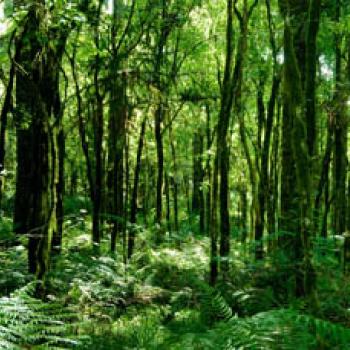
Teaching Science Through Picture Books: A Rainforest Lesson
Students read Welcome to the Green House, use note-taking strategies, find patterns in text structure, learn vocabulary in context, and write efferent and affective responses to the text.
Exploring How Section Headings Support Understanding of Expository Texts
Nonfiction may be dull for some students, but this lesson helps them focus on the main ideas. Through awareness of section headings, students learn to sort and categorize main concepts.