Groups of students read and discuss American folklore stories, each group reading a different story. Using a jigsaw strategy, the groups compare character traits and main plot points of the stories. A diverse selection of American folk tales is used for this lesson, which is adaptable to any text set.
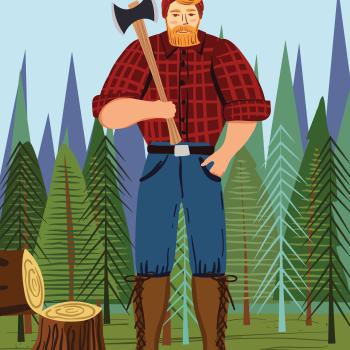
American Folklore: A Jigsaw Character Study

Blurring Genre: Exploring Fiction and Nonfiction with Diary of a Worm
After reading several examples of how a published author incorporates facts in fiction writing, students research a topic of their choice and write fictional diary entries that incorporate factual information.

Enchanting Readers with Revisionist Fairy Tales
Students examine three examples of revisionist fairy tales in which female characters act in empowered roles rather than behaving helpless and submissive.
Letters and Learning Genre
Using their prior knowledge of books containing letters, students show their understanding of genre by rewriting a story and reflecting on how traditional stories differs from stories told in letters.

Once Upon a Fairy Tale: Teaching Revision as a Concept
Students use fractured fairy tales to practice revision and editing as separate activities when they write their own versions of fairy tales.

Book Report Alternative: Creating a Childhood for a Character
Students explore familiar literary characters, usually first encountered as adults, but whose childhood stories are only told later. Students then create childhoods for adult characters from books of their choice.
Finding the Science Behind Science Fiction through Paired Readings
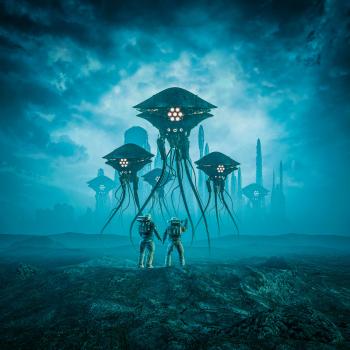
Students read science fiction texts and then use nonfiction texts to extrapolate the scientific principles presented as they discuss the "what ifs" within the context of scientific principles.

Literature Circle Roles Reframed: Reading as a Film Crew
Capture students' enthusiasm for film and transfer it to reading and literature by substituting film production roles for the traditional literature circle roles.

Dear Librarian: Writing a Persuasive Letter
Students write persuasive letters to their librarian requesting that specific texts be added to the school library. As they work, students plan their arguments and outline their reasons and examples.
Creating Family Timelines: Graphing Family Memories and Significant Events
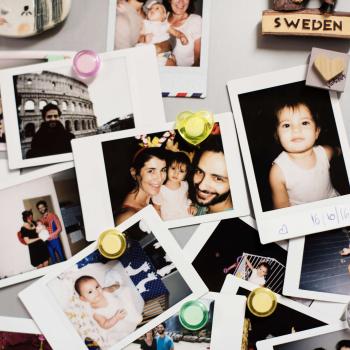
Students interview family members, and then create graphic family timelines based on important and memorable family events.

Once Upon a Time Rethought: Writing Fractured Fairy Tales
Students read and analyze fairy tales, identifying their common elements. They then write their own "fractured" fairy tales by changing one of the literary elements found in the original.

Opening the Door for Reading: Sharing Favorite Texts to Build Community
In this lesson, students build classroom community by exploring environmental print and a teacher-created display that focuses on a favorite book. They then create and share their own presentations.

Literature as a Jumping Off Point for Nonfiction Inquiry
Students use text sets to research a topic inspired by a fiction book they have read. A text set is a collection of multiple text genres with a single focus.

Question and Answer Books--From Genre Study to Report Writing
After exploring several question and answer books on a variety of topics, students research a topic and create their own class question and answer book.
Developing Reading Plans to Support Independent Reading
Students analyze their past readings and use that knowledge to create reading plans for the future.
Bridging Literature and Mathematics by Visualizing Mathematical Concepts
During interactive read-aloud sessions, students identify how an author conveys mathematical information about animals' sizes and abilities. They then conduct research projects focusing on the same mathematical concepts.
What If We Changed the Book? Problem-Posing with Sixteen Cows
After reading a piece of math-related children's literature aloud, students pose and solve new problems by asking what-if questions about the events in the story.
The History Behind Song Lyrics
Students research the items listed in the song "We Didn't Start the Fire" by Billy Joel, noting their historical relevance, and then document their findings using an online chart.
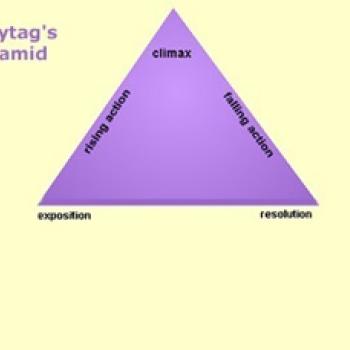
Using Picture Books to Teach Plot Development and Conflict Resolution
Students read picture books to explore the concepts of plot development and conflict resolution. They first learn about the connections between reading and writing, and then revise their own writing.
Using Snowflake Bentley as a Framing Text for Multigenre Writing
Using Snowflake Bentley as a model, students create a working definition of multigenre text and then use that definition to create their own multigenre piece about winter or another theme.