This series of strategy guides considers the ways that reading instruction in various contexts works together to help students develop independence as readers. Each strategy guide presents a strategy or instructional context in isolation, but this series of strategy guides is designed to support teachers as they explore the ways reading aloud, shared reading, guided reading, and independent reading all work together.

Teaching Literacy Across the Gradual Release of Responsibility

Performing Literature to Promote Fluency and Comprehension
This study guide outlines three reading methods--Readers Theatre, choral reading, and performing poetry-- that can be used to promote fluency and comprehension.

Teaching Writing
This strategy guide series identifies, defines, and provides examples of effective writing strategies and offers a list of resources related to each strategy.

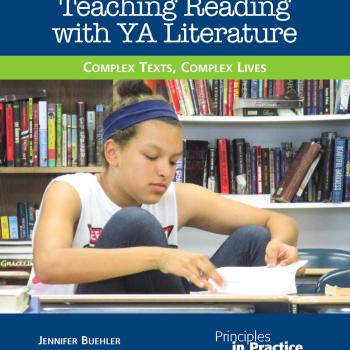
Teaching Reading with YA Literature: Complex Texts, Complex Lives
This book is designed to help teachers develop their own version of YA pedagogy and a vision for teaching YA lit in the middle and secondary classroom.

Facilitating Participation with Silent Conversations
This guide introduces silent conversations, a collaborative learning technique that has students
thinking, sharing, and reflecting about important questions—but through writing rather than talk.

Conducting Inner-Outer Circle Discussions
This guide shares the steps to take to get more students talking by dividing the group into speaking and non-speaking circles.

The Art of the Doodle: Writing with Imagination
Use independent, imaginative artwork and varied writing prompts to assess understanding of a given topic for a student body with differentiated needs.

Using Concept Circles to Develop Academic Vocabulary
In this guide, you will learn how to use the Concept Circles strategy to support vocabulary development and comprehension of complex text.

Using Word Walls to Develop and Maintain Academic Vocabulary
In this guide, you will learn how to use Word Walls to support vocabulary development and retention.

Using Disciplinary Facets to Deepen Academic Vocabulary Knowledge
In this guide, you will learn how to use the disciplinary facets strategy to support vocabulary development across contexts and academic disciplines.

Using Generative Sentences to Apply Academic Vocabulary
In this guide, you will learn how to use generative sentences to give students opportunities to apply their knowledge of new words in writing.

Consensus Decision Making
This strategy guide introduces Consensus Decision Making, a method for facilitating and engaging students in a critical discussion of the central ideas of a text.

Developing Evidence-Based Arguments from Texts
This strategy guide clarifies the difference between persuasion and argumentation, stressing the connection between close reading of text to gather evidence and formation of a strong argumentative claim about text.

Close Reading of Literary Texts
This guide provides strategies for choosing text that is appropriate for close reading and to plan for instruction.

Reading on the Go
In this Strategy Guide, learn how to prepare yourself and your students for reading and note-taking in mobile environments.

Tracking and Supporting Student Learning with Kidwatching
In this strategy guide, you'll learn how to use kidwatching to track and support student learning. Teachers observe and take notes on students' understanding of skills and concepts and then use the observations to determine effective strategies for future instruction.

Developing Persuasive Writing Strategies
This strategy guide describes the techniques used in effective persuasive writing and shares activities you can use to help students understand and use persuasion in their writing and critical thinking.

Making the Reading Process Visible through Performance Assessment
Effective differentiation begins with purposeful assessment. In this strategy guide, you'll learn how to construct an authentic performance-based reading assessment that will give you access to students' thinking before, during, and after reading.

Using Partner Talk to Strengthen Student Collaboration and Understanding
In this strategy guide, you'll learn about Partner Talk—a way to provide students with another learning opportunity to make learning their own through collaboration and discussion.