In this minilesson, students practice identifying and purposefully using vocabulary in persuasive writing that is intended to have an emotional impact on the reader.

Loaded Words: Vocabulary That Packs a Punch in Persuasive Writing

Creating a Feast for the Senses With Mentor Texts
This lesson teaches intermediate students to "use the experts" to learn how to revise to create sharp, sensory-rich experiences for their readers.

Show-Me Sentences
This lesson teaches students how to revise dull "telling" sentences into vivid, descriptive "showing" sentences.
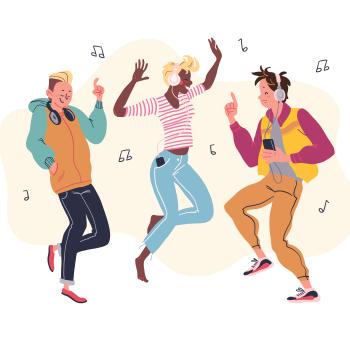
Playlist for Holden: Character Analysis With Music and Lyrics
Students compile a playlist of 10 songs representing a literary character and explain their choices based on the book's dialogue, plot, conflict, and resolution.

Engineering the Perfect Poem by Using the Vocabulary of STEM
Students research engineering careers and create poetry to understand the vocabulary of STEM (science, technology, engineering, and mathematics).

What's Under the Slide? Making Inferences Using Microscopes
Students hone their critical thinking skills by learning how to make inferences from textual clues.

The Magic of Three: Techniques for the Writer's Craft
Students learn to use tricolons—a writer's technique of putting words and phrases into groups of threes—to add rhythm and power to their writing.

Creating an Online Community Through Electronic Portfolios
Students publish their work in an electronic portfolio, which enables them to respond to each other's content online.

e-Book Reading and Response: Innovative Ways to Engage with Texts
Students in grades 5 through 12 read and respond to electronic books by using e-book tools and features, including digital note-taking capabilities.
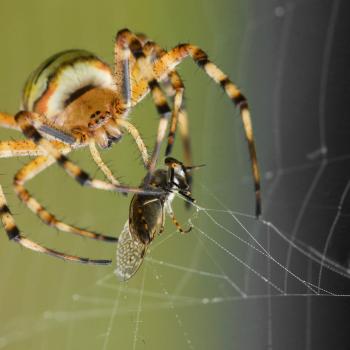
Multiple Perspectives: Building Critical Thinking Skills
Students use critical literacy skills to understand the concept of perspective and to then create a diary for an animal they research with a partner.

Reading Idol! Bringing Readers Theatre Center Stage in Your Classroom
Students produce a Readers Theatre performance to compete to be named the Reading Idol. Students vote on the final performances and record them as podcasts.

Talking About Books to Improve Comprehension
This lesson is a conversation-starter! In this lesson, students learn about striking up deep-thought conversations and staying on topic in the form of a book talk.

Using Children's Literature to Develop Classroom Community
Conversation and cooperation bring out the best in students when they hold dialogues about their individual strengths, abilities, and talents.

Lonely as a Cloud: Using Poetry to Understand Similes
Students identify similes in poetry and gain experience in using similes as a poetic device in their own work.

Integrating Literacy Into the Study of the Earth's Surface
Water covers 71% of the earth's surface—does it get the instructional time it deserves in your busy curriculum? Students wade right in to the study of bodies of water as they read and discuss science trade books and work together to develop Readers Theater scripts based on selected titles.

Using Word Storms to Explore Vocabulary and Encourage Critical Thinking
Students learn that dogs are more than just pets in this lesson, which teaches them to use research and vocabulary-acquisition strategies to learn and write about working dogs.

Nature Reflections: Interactive Language Practice for English-Language Learners
Students whose first language is not English reflect on nature through readings, a visit to a green area, and bookmaking using the writing process and peer feedback.
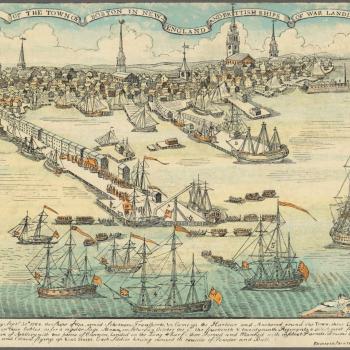
Learning About Research and Writing Using the American Revolution
Students across the board will get a kick out of researching a historical figure from the American Revolution to create an acrostic poem.

Rooting Out Meaning: Morpheme Match-Ups in the Primary Grades
In this lesson, students use morphemesEnglish words that have been formed by combining common word partsto explore word meanings.

How-To Writing: Motivating Students to Write for a Real Purpose
It's not easy surviving fourth grade (or third or fifth)! In this lesson, students brainstorm survival tips for future fourth graders and incorporate those tips into an essay.