ReadWriteThink - Powered by NCTE
  • About
  • Classroom Resources
    • Lesson Plans
    • Teaching Comics
    • Teaching With Primary Resources
    • Calendar
    • Printouts
    • Student Interactives
  • Collections
    • Assessment
    • Authors
    • Booklists
    • Media Literacy
    • Poetry
    • Primary Sources
    • Writing
  • Professional Development
    • Strategy Guides
    • Professional Library
    • Meetings & Events
  • Join NCTE
  • Contact Us
  • About
  • Classroom Resources
    • Lesson Plans
    • Teaching Comics
    • Teaching With Primary Resources
    • Calendar
    • Printouts
    • Student Interactives
  • Collections
    • Assessment
    • Authors
    • Booklists
    • Media Literacy
    • Poetry
    • Primary Sources
    • Writing
  • Professional Development
    • Strategy Guides
    • Professional Library
    • Meetings & Events
  • Join NCTE
  • Contact Us
  • Facebook
  • Twitter
  • Instagram
  • Pinterest
  • YouTube

Breadcrumb

  1. Home

Type

  • Classroom Resources
  • Professional Development

Grades

  • 1 (89)
  • 2 (98)
  • 3 (172)
  • 4 (173)
  • 6 (222)
  • 7 (224)
  • 8 (224)
  • 9 (214)
  • 10 (212)
  • 11 (211)
  • 12 (210)
  • K (72)
  • (-) 5 (187)

Learning Objectives

  • (-) Comprehension (187)
  • collaboration (184)
  • critical thinking (270)
  • digital literacy (50)
  • Grammar (19)
  • inquiry / research (150)
  • listening (78)
  • literary analysis (101)
  • Media literacy (71)
  • metacognition (152)
  • multicultural awareness (41)
  • multimodal literacy (91)
  • oral communication (85)
  • phonological awareness (10)
  • print awareness (34)
  • reading fluency (30)
  • reading genres (83)
  • Spelling (14)
  • text structure / story structure (104)
  • Vocabulary (73)
  • writing genres (146)
  • writing process (144)

Topics

  • arts
  • careers
  • community
  • drama
  • ELL
  • Family
  • fiction
  • Mathematics
  • Mobile Learning
  • nonfiction
  • poetry
  • science
  • seasons / holidays
  • social action
  • social studies / history
  • Sports
  • STEM
Readers Theatre
Grades
3 - 5
|
Lesson Plan
|
Recurring Lesson
Readers Theatre
Students develop scripts, perform, and use their voices to depict characters from texts, giving them the opportunity to develop fluency and further enhance comprehension of what they are reading.

Acquiring New Vocabulary Through Book Discussion Groups
Grades
3 - 5
|
Lesson Plan
|
Recurring Lesson
Acquiring New Vocabulary Through Book Discussion Groups

This lesson employs direct instruction and small-group discussion to help students learn new vocabulary skills while reading Patricia Polacco's Pink and Say.

Using Prediction as a Prereading Strategy
Grades
3 - 5
|
Lesson Plan
|
Standard Lesson
Using Prediction as a Prereading Strategy
Students learn about and apply the prediction strategy while reading a trade book. They use response journals to record questions and responses based on prereading predictions.

QARs + Tables = Successful Comprehension of Math Word Problems
Grades
3 - 5
|
Lesson Plan
|
Standard Lesson
QARs + Tables = Successful Comprehension of Math Word Problems
Using census data for an example, students use the question-answer relationship (QAR) strategy to understand and solve word problems that refer to tables and other graphics.
Multimedia Responses to Content Area Topics Using Fact-"Faction"-Fiction
Grades
3 - 5
|
Lesson Plan
|
Standard Lesson
Multimedia Responses to Content Area Topics Using Fact-"Faction"-Fiction

Students climb into the mind of a spider in this lesson that asks them to compose a spider diary using spider facts, fiction, and "faction"—fiction that sounds like fact.

Traveling Terrain: Comprehending Nonfiction Text on the Web
Grades
3 - 5
|
Lesson Plan
|
Standard Lesson
Traveling Terrain: Comprehending Nonfiction Text on the Web
Students locate specific information, identify text features of nonfiction text, and write to generalize information on related topics.
Scaffolding Comprehension Strategies Using Graphic Organizers
Grades
3 - 8
|
Lesson Plan
|
Standard Lesson
Scaffolding Comprehension Strategies Using Graphic Organizers

Students learn collaborative strategic reading (CSR). During and after reading, students apply four reading strategies—preview, click and clunk, get the gist, and wrap-up—and use graphic organizers for scaffolding.

Peace Poems and Picasso Doves: Literature, Art, Technology, and Poetry
Grades
3 - 5
|
Lesson Plan
|
Unit
Peace Poems and Picasso Doves: Literature, Art, Technology, and Poetry

Students apply think-aloud strategies to reading and to composition of artwork and poetry. They research symbols of peace as they prewrite, compose, and publish their poetry.

Exploring World Cultures Through Folk Tales
Grades
3 - 5
|
Lesson Plan
|
Standard Lesson
Exploring World Cultures Through Folk Tales
Journey around the world with students as they read a Japanese, African, or Welsh folk tale, create a visual depiction of the tale, research the tale's culture, and present findings.

A Schema-Building Study With Patricia Polacco
Grades
2 - 5
|
Lesson Plan
|
Standard Lesson
A Schema-Building Study With Patricia Polacco

Students use the Semantic Impressions and Possible Sentences strategies to write about Patricia Polacco's books Chicken Sunday and Rechenka's Egg, complete a character study, and write using a WebQuest.

Once They're Hooked, Reel Them In: Writing Good Endings
Grades
3 - 5
|
Lesson Plan
|
Standard Lesson
Once They're Hooked, Reel Them In: Writing Good Endings
It's important to "hook" readers at a story's beginning, but it's equally important to keep them interested. In this lesson, students learn to write effective conclusions to their own stories.
Building a Learning Community: Crafting Rules for the Classroom
Grades
3 - 5
|
Lesson Plan
|
Standard Lesson
Building a Learning Community: Crafting Rules for the Classroom
Students will learn to mind their ps and qs in this lesson on etiquette and appropriate behavior in the classroom.

Exploring Friendship With <em>Bridge to Terabithia</em>
Grades
4 - 6
|
Lesson Plan
|
Standard Lesson
Exploring Friendship With Bridge to Terabithia
Students make predictions about Bridge to Terabithia and its characters, complete character studies, and relate the characters' experiences to their own as they identify ways to make and keep friends.

No Teachers Allowed: Student-Led Book Clubs Using QAR
Grades
3 - 6
|
Lesson Plan
|
Recurring Lesson
No Teachers Allowed: Student-Led Book Clubs Using QAR
Students are introduced to the Question-Answer Relationship (QAR) strategy through a read-aloud and question sort. Students then use the strategy to develop questions for a peer-led book discussion.
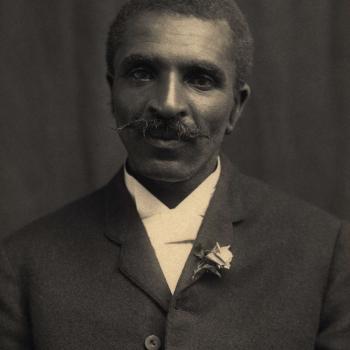
Great American Inventors: Using Nonfiction to Learn About Technology Inventions
Grades
3 - 5
|
Lesson Plan
|
Standard Lesson
Great American Inventors: Using Nonfiction to Learn About Technology Inventions
Who are the people behind the world's greatest inventions? Students read biographies of a terrific trio of American inventors and create presentations that highlight how their inventions from the past impacted the future.

Planning Story Characters Using Interactive Trading Cards
Grades
3 - 5
|
Lesson Plan
|
Standard Lesson
Planning Story Characters Using Interactive Trading Cards
Students use trading cards to examine fictional characters in a story.

Storytelling in the Social Studies Classroom
Grades
3 - 5
|
Lesson Plan
|
Unit
Storytelling in the Social Studies Classroom
People make the past come alive as students research and then share stories about famous Americans who promoted democratic ideals.
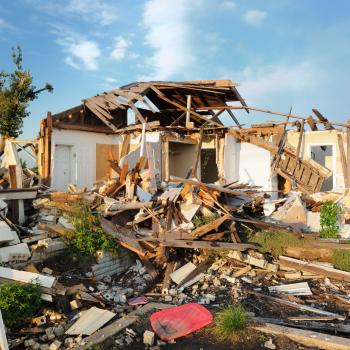
Exploring Cause and Effect Using Expository Texts About Natural Disasters
Grades
3 - 5
|
Lesson Plan
|
Standard Lesson
Exploring Cause and Effect Using Expository Texts About Natural Disasters

Students explore the nature and structure of expository texts that focus on cause and effect and apply what they learned using graphic organizers and writing paragraphs to outline cause-and-effect relationships.

My World of Words: Building Vocabulary Lists
Grades
3 - 5
|
Lesson Plan
|
Recurring Lesson
My World of Words: Building Vocabulary Lists
Working in small groups, students select vocabulary words and research their meanings. In a culminating activity that uses text and illustration, each student creates a "My World of Words Journal."
Grades
3 - 5
|
Lesson Plan
|
Standard Lesson
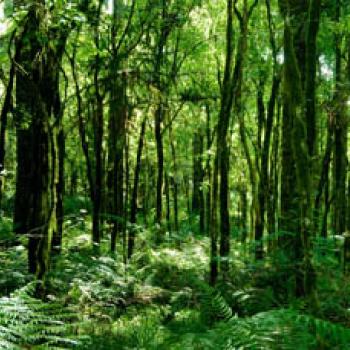
Teaching Science Through Picture Books: A Rainforest Lesson

Students read Welcome to the Green House, use note-taking strategies, find patterns in text structure, learn vocabulary in context, and write efferent and affective responses to the text.

Pagination

  • First page « First
  • Previous page ‹‹
  • …
  • Page 2
  • Page 3
  • Page 4
  • Page 5
  • Page 6
  • Page 7
  • Page 8
  • Page 9
  • Page 10
  • Next page ››
  • Last page Last »

Explore Resources by Grade

  • KindergartenK
  • 1-2
  • 3-4
  • 5-6
  • 7-8
  • 9-10
  • 11-12

RWT-logo

Powered By NCTE

Footer 1 Menu

  • About
  • Classroom Resources
  • Professional Development
  • Collections
  • Contact Us

Footer 2 Menu

  • National Council of Teachers of English
  • Contribute to RWT
  • FAQs
  • Join NCTE

Footer 3 Menu

  • Legal Notices
  • Privacy Policy
  • Promotional Materials
  • Site Demonstrations

Want to stay in touch with RWT and NCTE? Sign up here!

  • Facebook
  • Twitter
  • Instagram
  • Pinterest
  • YouTube

© NCTE 2026. All rights reserved