Students read and discuss literature about intolerance and diversity. They work with a partner to write two-voice poems that illustrate situations of intolerance at their school and suggest a step toward acceptance.
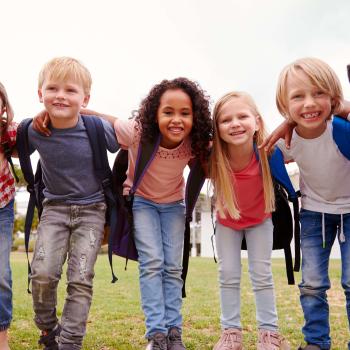
Moving Toward Acceptance Through Picture Books and Two-Voice Texts

Voting! What's It All About?
Students explore a variety of sources for information about voting. They evaluate the information to determine if it is fact or opinion, and then create a graffiti wall about voting.
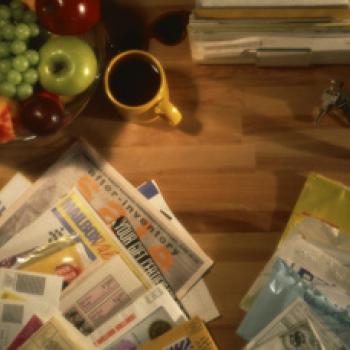
Investigating Junk Mail: Negotiating Critical Literacy at the Mailbox
Students increase their media literacy skills by critically examining and revising junk mail.
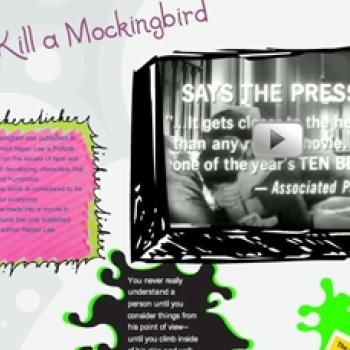
Book Report Alternative: Glog That Book!
In this alternative book report, students identify the elements of fiction in books they have read by creating glogs, interactive multimedia posters, and then share their glogs.
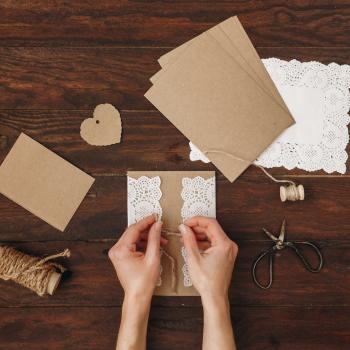
Introducing Basic Media Literacy Education Skills with Greeting Cards
In this lesson, students examine and create holiday/event cards, analyze holiday elements, and create their own. The activities help students focus on the reasons for composing messages as they do.

Designing Elements of Story in Little Blue and Little Yellow
In this series of four lessons, students will explore key elements of design in Little Blue and
Little Yellow to learn about setting, character relationships, and plot.
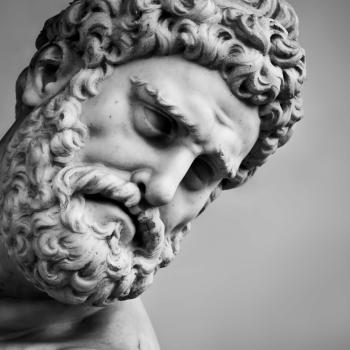
Audience & Purpose: Evaluating Disney's Changes to the Hercules Myth
What drives changes to classic myths and fables? In this lesson students evaluate the changes Disney made to the myth of "Hercules" in order to achieve their audience and purpose.

Vocabulary Solutions: A Mixture of Science, Conversation, and Writing
In this lesson, students conduct a science experiment and later discuss the events of the lab during shared writing. Students explain the procedure in their own words and then revise to include content specific vocabulary. Finally, students reflect on new words added to their writing using the Trading Card Creator interactive.
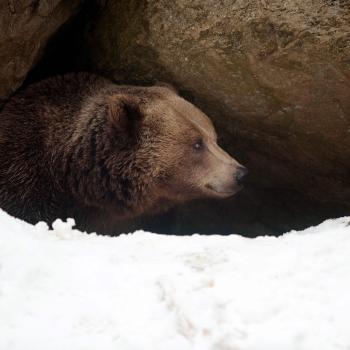
Writing Acrostic Poems with Thematically Related Texts in the Content Areas
Students read thematically related texts, scaffolded from simple to complex, to help them gather necessary concept vocabulary and background knowledge in a content area. They then write acrostic poems to organize and present their learning in a creative way.

Captioning the Civil Rights Movement: Reading the Images, Writing the Words
Teachers guide students to carefully view images from the Civil Rights Movement and write captions that accurately describe the images and/or their probable purposes.

A-B-C: It's Easy as 1-2-3 to Make Math Alphabet Books
Using the Alphabet Organizer app, students create alphabet books to review math terms.
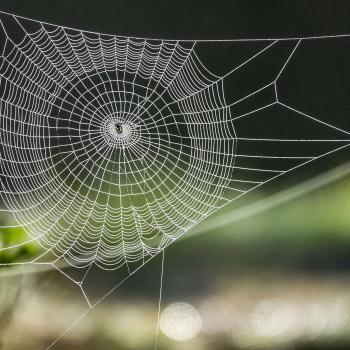
Charlotte is Wise, Patient, and Caring: Adjectives and Character Traits
Students find examples of adjectives in a shared reading. Then students "become" major characters in a book and describe themselves and other characters, using powerful adjectives.
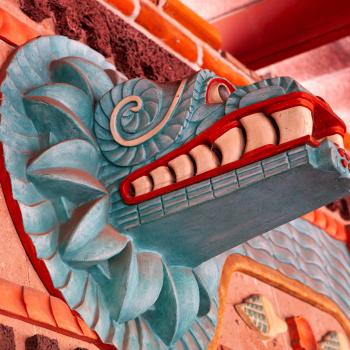
Powerful Writing: Description in Creating Monster Trading Cards
Students create their own monster trading cards using "powerful," vivid language to describe their creatures.
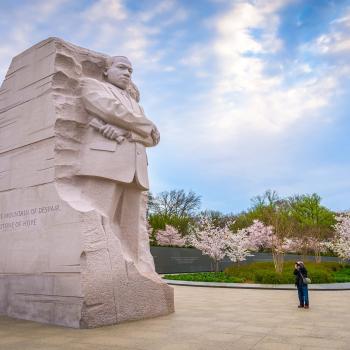
How Big Are Martin's Big Words? Thinking Big about the Future
Inspired by the book Martin's Big Words, students explore information on Dr. King to think about his "big" words, then they write about their own "big" words and dreams.
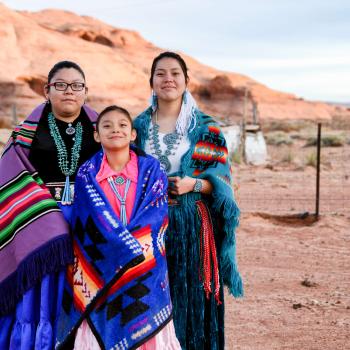
Native Americans Today
This lesson challenges students' views of Native Americans as a vanished people by asking them to compare their prior knowledge with information they gather while reading about contemporary Native Americans.
Poetry from Prose
Working in small groups, students compose found and parallel poems based on a descriptive passage they have chosen from a piece of literature they are reading.

Learning to Learn with Miss Alaineus: A Vocabulary Disaster
Modeled on the activities in Miss Alaineus: A Vocabulary Disaster, a picture book, students combine vocabulary exploration with word play by planning their own vocabulary parade.
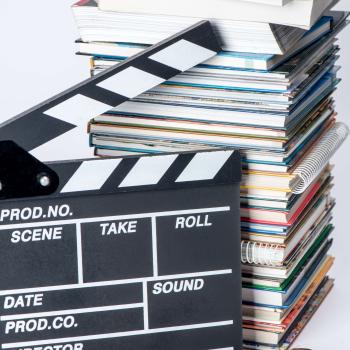
Get the Reel Scoop: Comparing Books to Movies
Students compare a book to its film adaptation, and then perform readers theater of a scene from the book that they feel was not well represented in the movie version.
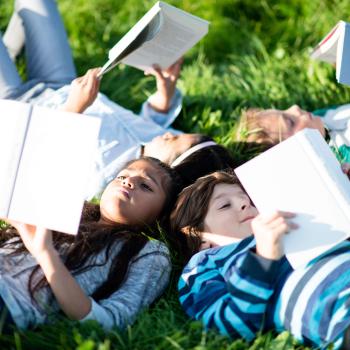
Literature Circles: Getting Started
Students practice different ways of collaborating to read a work of literature. They work in different roles as they compose and answer questions, discover new vocabulary, and examine literary elements.
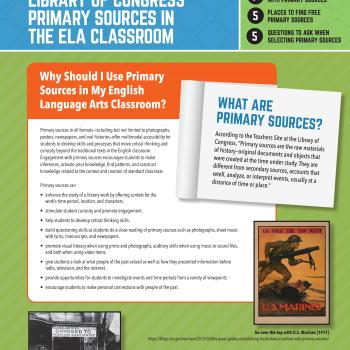
Engaging Students with Library of Congress Primary Sources in the ELA Classroom Quick-Reference Guide (QRG)
Quick-Reference Guide (QRG) focused on "Engaging Students with Library of Congress Primary Sources in the ELA Classroom."